
Fontan Procedure in Delhi
Children born with certain congenital heart defects have only one working heart ventricle. This condition makes it difficult for the heart to pump blood efficiently to the lungs and the rest of the body. The Fontan Procedure is a specialised surgery designed to improve blood circulation and oxygen levels in these children.
At experienced centres offering Fontan surgery in Delhi, this procedure gives children a chance to live a healthier, more active life.
Request a Consultation
What Is the Fontan Procedure?
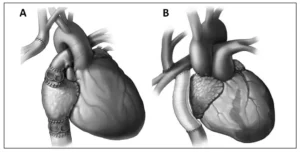
The Fontan Procedure is a specialised surgery performed in children with complex single-ventricle heart defects, in which one side of the heart is underdeveloped or non-functional. As a result, the heart cannot pump oxygenated blood efficiently to the lungs and the rest of the body. In this procedure, instead of sending blood through the heart to reach the lungs, this surgery reroutes oxygen-poor blood directly to the lungs. This allows the functioning ventricle to pump oxygen-rich blood to the body more effectively.
It is an important step in single ventricle heart defect treatment and significantly improves oxygen levels and overall heart function.
Who Needs Fontan Surgery?
This surgery is recommended for children diagnosed with:
- Hypoplastic Left Heart Syndrome (HLHS)
- Tricuspid Atresia
- Double-Inlet Left Ventricle (DILV)
- Pulmonary Atresia
These conditions prevent normal blood flow inside the heart and require staged paediatric cardiac surgery for long-term survival.
Three Stages of the Fontan Procedure
The Fontan procedure is not a single operation but rather a three-stage process. Each stage is crucial in preparing the heart and lungs to work efficiently together.
-
Norwood Procedure
The first stage, known as the Norwood procedure, is typically performed within the first week of a baby’s life. In this stage, the surgeon reconstructs the aorta (the main artery that carries blood from the heart to the rest of the body) so that the right ventricle can pump blood to both the lungs and the rest of the body. This procedure helps the heart cope temporarily while preparing it for the next stages.
-
Glenn Shunt (Hemi-Fontan)
The second stage is the Glenn procedure, also known as the Hemi-Fontan, which is performed when the child is around 4-6 months old. In this stage, the surgeon reroutes the blood from the upper body (via the superior vena cava) directly to the lungs. This reduces the workload on the heart, allowing it to focus on pumping blood to the rest of the body while the lungs receive deoxygenated blood directly.
-
Fontan Completion Surgery
The final stage, known as Fontan completion, occurs when the child is between 2 and 4 years old. In this stage, the surgeon connects the inferior vena cava (which carries deoxygenated blood from the lower part of the body) to the pulmonary arteries, allowing all the venous blood to flow directly into the lungs. This completes the process, enabling the heart to function more efficiently.
Each stage prepares the child safely for the next, improving survival and long-term outcomes. These stages are essential in gradually shifting the heart’s workload, ensuring it can continue to function while reducing complications.
Difference Between Glenn and Fontan Procedures
The Glenn and Fontan procedures are often confused because of their similarities, but they serve different roles in the treatment of single-ventricle defects.
- The Glenn procedure redirects blood from the upper body to the lungs.
- The Fontan completion surgery redirects blood from the lower body to the lungs.
The Glenn is a preparatory stage, while the Fontan completes the circulation correction.
Average Age for Fontan Procedure in Children
The usual age for Fontan surgery in children is between 2 and 4 years. However, exact timing depends on:
- Heart function
- Lung pressure
- Growth and overall health
- Recovery from earlier surgeries
Doctors carefully evaluate each child before proceeding, as the Fontan procedure is performed only when the heart is considered strong enough to handle the rerouting of blood flow.
Survival Rate of Fontan Surgery
The survival rate of Fontan surgery in experienced centres is generally high, with early survival rates around 90–95%.
However, children require lifelong follow-up to monitor heart function and prevent complications.
What is the Cost of the Fontan Procedure in Delhi?
The average cost of the Fontan procedure in Delhi typically ranges from ₹10 lakh to ₹40 lakh, depending on:
- Hospital infrastructure
- ICU stay duration
- Complexity of the heart defect
- Surgeon’s expertise
Parents are advised to consult a specialised centre for an accurate estimate and insurance guidance.
Why Choose Dr. Dinesh Kumar Mittal for Fontan Procedure in Delhi?
A successful Fontan Procedure in Delhi requires surgical expertise, advanced infrastructure, and dedicated long-term care.
Dr. Dinesh Kumar Mittal is recognised for his experience in complex paediatric cardiac surgery and single ventricle heart procedures. Families trust his care for:
- Advanced paediatric cardiac ICU support
- Extensive experience in staged Fontan surgeries
- Precise surgical planning and execution
- Careful long-term monitoring and follow-up
- Multidisciplinary heart care approach
Choosing an experienced specialist like Dr. Dinesh Kumar Mittal helps improve safety, recovery, and long-term outcomes for children undergoing the Fontan surgery in Delhi.
Conclusion
The Fontan Procedure is a life-saving advancement in the treatment of complex congenital heart defects. Though it involves multiple stages, it offers children born with single ventricle conditions the opportunity for improved oxygen levels, better growth, and enhanced quality of life. Understanding the differences between the Glenn and Fontan procedures, the indications for surgery, and the costs associated with the treatment can help families make informed decisions. With experienced surgical care and structured long-term follow-up, Fontan surgery in Delhi provides hope and a safer future for affected children.
Frequently Asked Questions
What is the best treatment for single ventricle heart defect in children? expand_more
Staged single ventricle heart surgery, including the Norwood, Glenn, and Fontan procedures, is the standard treatment.
What is the recovery time after Fontan surgery? expand_more
Most children stay in the ICU for close monitoring and gradually recover over a few weeks. Long-term follow-up is essential.
Is Fontan surgery a permanent cure? expand_more
The Fontan Procedure improves circulation but requires lifelong medical follow-up and heart care.
Which hospital offers Fontan surgery in Delhi NCR? expand_more
A hospital with specialised paediatric cardiac surgery services, advanced ICU care, and experienced heart surgeons is recommended.
What is the long-term outlook after Fontan completion surgery? expand_more
Many children go on to attend school and lead active lives with proper follow-up and heart care.

Dr. Dinesh Kumar Mittal's Content Team
Dr. Dinesh Kumar Mittal's medical content team specialises in creating accurate, clear, and patient-focused healthcare content. With strong clinical understanding and expertise in technical writing and SEO, the team translates complex medical information into reliable, accessible resources that support informed decisions and uphold Dr. Mittal's commitment to quality care.
This content is reviewed by Dr. Dinesh Kumar Mittal
Related Blogs
Is Fontan Surgery the Right Choice for My Child’s Heart Condition?
When a child has a complex heart problem from birth, parents have to decide…
Read Article → WhatsApp