
Heart Valve Repair Surgery in Delhi – Dr. Dinesh Kumar Mittal
When your heart valves don’t work properly, it can affect how blood flows through your heart, leading to symptoms like breathlessness, fatigue, and reduced stamina. If left untreated, it may progress to serious complications such as heart failure. Seeking timely care for heart valve repair surgery in Delhi can help restore normal heart function and prevent further damage.
Heart valve repair focuses on correcting your existing valve rather than replacing it, helping preserve your heart’s natural function. This approach is often associated with better long-term outcomes, fewer complications, and a quicker recovery. With advanced surgical techniques and experienced cardiac specialists in Delhi, many patients can return to their normal routine with improved heart health and quality of life.
Dr. Dinesh Kumar Mittal, Senior Cardiothoracic and Vascular Surgeon in Delhi, provides specialist evaluation and surgical management for heart valve disorders, using advanced repair techniques tailored to each patient’s condition. Heart valve repair focuses on preserving the native valve rather than replacing it, which is often associated with better long-term outcomes, fewer complications, and faster recovery.
Book your appointment today for expert heart valve repair surgery in Delhi.
Request a Consultation
What is Heart Valve Repair?
Heart valve repair is a specialised surgical procedure that corrects damaged or diseased heart valves. The heart has four valves, the mitral, aortic, tricuspid, and pulmonary, that regulate blood flow, and when any of these valves become narrowed or leaky, it can strain the heart and affect its ability to pump effectively.
In cardiac valve repair surgery, the surgeon carefully restores the affected valve’s function rather than replacing it. This may involve reshaping valve tissue, repairing supporting structures, or improving valve opening and closing. This approach is often preferred because it preserves the heart’s natural structure and reduces the risk of long-term complications.
When is Heart Valve Repair Recommended?
Your heart valves play a crucial role in maintaining smooth blood flow through the heart. When they are not working properly, it can gradually affect your overall heart function and daily quality of life.
Heart valve repair surgery is recommended when:
- The valve is damaged but still repairable
- You experience symptoms like breathlessness, chest discomfort, or fatigue
- There is significant valve leakage (regurgitation) or narrowing (stenosis)
- Heart function is being affected
In many cases, especially mitral valve repair, repairing the valve offers better durability and avoids lifelong medication compared to replacement. Early consultation with a specialist ensures timely treatment, better heart health, and a quicker return to an active life.
Heart Valve Repair vs Replacement
When diagnosed with a valve condition, one of the most common questions patients and families ask is whether repair or replacement is the right choice. The answer depends on the type and extent of valve damage, the specific valve involved, and the patient’s overall health.
| Factor | Valve Repair | Valve Replacement |
|---|---|---|
| Preferred when | Valve structure is repairable | Valve is severely damaged or calcified |
| Long-term durability | Generally higher | Depends on prosthesis type |
| Blood thinners | Usually not required | Often required (mechanical valves) |
| Recovery time | Typically faster | Slightly longer |
| Preserves natural tissue | Yes | No |
| Most common for | Mitral and tricuspid valves | Aortic valve (when repair is not feasible) |
Repair is the preferred approach whenever technically feasible; it avoids the lifelong medication burden of mechanical valves and tends to better preserve natural heart function. That said, there are situations where replacement is clearly the safer and more durable option.
Types of Heart Valve Repair Techniques
Not all valve problems are the same, which is why treatment is tailored to your specific condition. Doctors choose the most suitable technique based on the type and severity of valve damage.
Depending on your condition, different heart valve repair techniques may be used:
1. Annuloplasty
In this method, a special ring is placed around the valve to tighten or reshape it. This helps the valve close properly and improves blood flow.
2. Leaflet Repair
The valve flaps (leaflets) may be trimmed, reshaped, or reinforced to ensure they open and close effectively.
3. Chordal Repair or Replacement
The supporting tissues (chordae) that help the valve function are repaired or replaced if damaged, restoring valve stability.
4. Commissurotomy
When valve flaps are fused due to narrowing, they are carefully separated to allow better blood flow.
5. Mitral Valve Repair
If you are experiencing breathlessness, fatigue, palpitations, or reduced stamina, it could be due to a leaking or prolapsed mitral valve. Mitral valve repair focuses on correcting the valve while preserving your natural tissue, relieving symptoms and restoring normal heart function. It corrects a leaking or prolapsed mitral valve, typically leading to improved heart function and long-term durability compared to replacement.
6. Aortic Valve Repair
Symptoms like chest pain, dizziness, fainting, or shortness of breath may indicate aortic valve disease. Techniques such as aortic valve-sparing procedures and bicuspid valve repair can restore proper valve function while avoiding a prosthetic device. Patients seeking aortic valve repair surgery in Delhi or India will find that Dr Mittal has experience managing complex aortic valve conditions and assesses each case to determine whether repair is a viable option.
7. Tricuspid Valve Repair
Swelling in the legs or abdomen, fatigue, and breathlessness may be signs of tricuspid valve leakage. The tricuspid valve is often repaired simultaneously with mitral or aortic valve surgery. Isolated tricuspid repair may also be performed when significant leakage is causing symptoms or affecting right heart function.
Each heart valve surgery procedure is carefully planned to suit the patient’s heart condition, overall health, and treatment goals. This personalised approach helps achieve better outcomes and supports a smoother recovery.
Procedure of Heart Valve Repair Surgery
Heart Valve repair surgery involves pre-surgery evaluation, followed by a surgical procedure under general anaesthesia, tailored to the patient’s requirements, with the type of surgery (minimally invasive/open-heart) determined. Understanding the step-by-step process can help you feel more prepared and confident about the treatment. Minimally invasive heart valve repair is performed with careful planning to ensure safety and optimal outcomes.
1. Pre-Surgery Evaluation
Before heart valve repair surgery, detailed tests are conducted, including echocardiography (2D/3D), cardiac MRI or CT scan, cardiac catheterisation, and blood investigations. These help determine the most effective surgical plan.
2. Surgical Procedure
Performed under general anaesthesia, the procedure takes approximately 3-5 hours and can be done using minimally invasive heart valve repair or conventional open-heart surgery. During surgery, the damaged valve is carefully examined, repair techniques like annuloplasty or leaflet correction are performed, and valve function is tested to ensure proper blood flow.
3. Recovery After Heart Valve Repair Surgery
Following your doctor’s advice, attending regular check-ups, and maintaining a healthy lifestyle are essential for long-term success after the surgery. See the detailed recovery timeline below.
Heart Valve Surgery Recovery Time
Recovery after heart valve surgery generally takes 4-12 weeks. It is a gradual process, and understanding what to expect at each stage can make it far less daunting. Here is what a typical recovery timeline looks like:
| Timeframe | What to Expect |
|---|---|
| Day 1-3 | ICU monitoring, ventilator support if needed, close observation of heart rhythm and vitals |
| Day 4-7 | Transfer to a regular ward; sitting up and short assisted walks begin |
| Week 2 | Most patients are discharged; light activity at home, no strenuous effort |
| Week 3-4 | Gradual increase in walking distance; driving is still not recommended |
| Week 6 | Many patients return to desk work or light professional duties |
| Week 8-12 | Full recovery for most; physically active individuals may resume exercise with clearance |
Diet during recovery: A low-sodium, heart-healthy diet is recommended. Avoid heavy, fatty meals in the first few weeks. Stay well hydrated.
Activity restrictions: Avoid lifting objects weighing more than 2-3 kg until the sternum heals (approximately 6-8 weeks after open surgery; shorter for minimally invasive procedures).
Warning signs to watch for: Fever, wound redness, increased breathlessness, irregular heartbeat, or leg swelling should be reported to your doctor immediately.
Following your doctor’s advice, attending regular check-ups, and maintaining a healthy lifestyle are essential for long-term success after heart valve repair surgery.
What Are The Risks and Complications of Heart Valve Repair Surgery?
Like any major cardiac procedure, heart valve repair surgery carries some risks. Being informed about these helps you make a confident, well-rounded decision, and it is why choosing an experienced surgeon matters so much.
Potential risks include:
- Bleeding: Some bleeding during or after surgery is expected and is managed with careful surgical technique and monitoring.
- Infection: Wound infections or, rarely, endocarditis (infection of the heart lining) are possible but uncommon with modern antiseptic protocols.
- Arrhythmia: Irregular heart rhythms may occur after surgery and are usually temporary, managed with medication or cardioversion if needed.
- Stroke: There is a small risk of stroke associated with heart surgery in general; this risk is minimised through anticoagulation management and careful monitoring.
- Incomplete repair: In rare instances, the repaired valve may not function as expected, and a second procedure or replacement may be required.
- Anaesthesia reactions: Rare, but a pre-operative evaluation and anaesthesia team review are standard precautions.
Dr. Dinesh Kumar Mittal follows evidence-based protocols at every stage, from pre-operative risk stratification and precise surgical planning to meticulous intraoperative technique and intensive post-operative monitoring. A dedicated cardiac ICU team at Fortis Hospital, Shalimar Bagh, ensures that any complication is identified and addressed immediately.
It is worth noting that in experienced hands, the risk profile for heart valve repair is well within internationally accepted benchmarks, and for most patients with repairable valves, the risk of not operating far exceeds the surgical risk.
What is the Cost of Heart Valve Repair Surgery in Delhi?
The heart valve repair surgery cost in Delhi typically ranges between ₹1,50,000 to ₹5,00,000. Understanding the cost of treatment can help you plan better and make informed decisions about your care. The overall expense may vary depending on your medical needs and the type of procedure recommended.
For patients comparing costs across facilities, it may be useful to note that heart valve repair surgery cost in India varies by city and hospital tier. Delhi-NCR hospitals generally offer a balance of advanced infrastructure and competitive pricing compared to some other metros.
Several factors can influence the total cost, including:
- Hospital facilities and ICU stay,
- Surgeon’s experience and expertise
- Diagnostic tests and imaging required before surgery
- Surgical technique (minimally invasive vs open surgery), medications and post-operative care.
While cost is an important consideration, choosing the right specialist and hospital is crucial to your recovery. Opting for experienced care can lead to better outcomes, fewer complications, and a smoother recovery.
Why Choose Dr. Dinesh Kumar Mittal for Heart Valve Repair Surgery in Delhi?
Choosing the right surgeon is one of the most important decisions for your heart health. Experience, precision, and a patient-focused approach can significantly improve treatment outcomes and recovery.
Recognised as one of the best heart valve repair surgeons in Delhi, Dr. Dinesh Kumar Mittal is a senior cardiothoracic and vascular surgery (CTVS) specialist known for his expertise and commitment to delivering high-quality cardiac care. Patients looking for a skilled cardiothoracic surgeon for valve repair in Delhi want someone who brings a rare combination of technical precision, clinical depth, and genuine patient focus to every case.
Key Reasons to Choose Dr. Dinesh Mittal: Heart Valve Repair Surgeon in Delhi
- Extensive Experience: Over 25+ years of experience with 10,000+ successful heart surgeries
- Valve Repair Expertise: Special focus on mitral valve repair, with outcomes consistently above 95% success, in line with leading international benchmarks
- Aortic & Tricuspid Valve Experience: Manages complex multi-valve and aortic valve repair cases with outcomes matching global standards
- Minimally Invasive Techniques: Smaller incisions, less pain, and faster recovery
- Patient-Centric Care: Clear communication and personalised treatment plans
- Advanced Hospital Setup: Practices at Fortis Hospital, Shalimar Bagh, equipped with modern cardiac technology and a dedicated CICU
- Complete Care Journey: From diagnosis to recovery, continuous support at every step
Book a Consultation for Heart Valve Repair Surgery in Delhi
If you or a loved one has been diagnosed with a heart valve condition or is experiencing symptoms such as breathlessness, fatigue, chest discomfort, or reduced stamina, a timely specialist consultation is the right next step.
During the consultation, you can expect:
- A detailed review of your medical history, symptoms, and prior reports, including echocardiography and other cardiac tests
- A comprehensive clinical evaluation to assess valve function and overall heart health
- An expert opinion on whether heart valve repair or replacement is most appropriate in your case
- A clear explanation of the recommended surgical approach, recovery timeline, and expected outcomes
- Transparent discussion of costs, hospital stay, and the overall treatment plan
- Adequate time to address your concerns and questions without being rushed
You may consult Dr. Dinesh Kumar Mittal, Senior Cardiothoracic and Vascular Surgeon in Delhi, for a thorough evaluation and personalised treatment plan. Early consultation enables timely intervention and improved surgical outcomes.
Conclusion
Heart valve problems can affect blood flow, lead to symptoms such as breathlessness and fatigue, and impair your overall heart function if not treated promptly. Understanding the condition, recognising when treatment is needed, and exploring the right surgical options are important steps toward better heart health.
With advancements in cardiac valve surgery and expert care, patients can expect improved heart health and a better quality of life. Under the guidance of an experienced specialist, early diagnosis, appropriate treatment, and regular follow-up care are key to ensuring a safe recovery and long-term heart health.
Frequently Asked Questions
Is heart valve repair safer than replacement? expand_more
Yes, in many cases, heart valve repair is safer as it preserves the natural valve, reduces complications, and avoids lifelong blood thinners.
Can heart valve problems return after repair? expand_more
In some cases, valve issues may recur over time, but regular follow-ups and proper care significantly reduce this risk.
Which is better: open heart surgery for mitral valve repair or a minimally invasive procedure? expand_more
Both are effective. Minimally invasive mitral valve repair offers faster recovery and less pain, while open-heart surgery for mitral valve repair is preferred for complex cases. The best option depends on your condition.
Can heart valve disease be treated without surgery? expand_more
In the early stages, treatment for heart valve disease without surgery may include medications and regular monitoring to control symptoms. However, medicines cannot fix a damaged valve; surgery becomes necessary if the condition progresses.
How do I book a consultation with Dr. Dinesh Kumar Mittal? expand_more
You can book an appointment with Dr. Dinesh Kumar Mittal by contacting Fortis Hospital, Shalimar Bagh directly or using their online appointment booking facility.

Dr. Dinesh Kumar Mittal's Content Team
Dr. Dinesh Kumar Mittal's medical content team specialises in creating accurate, clear, and patient-focused healthcare content. With strong clinical understanding and expertise in technical writing and SEO, the team translates complex medical information into reliable, accessible resources that support informed decisions and uphold Dr. Mittal's commitment to quality care.
This content is reviewed by Dr. Dinesh Kumar Mittal
Related Treatments

Minimally Invasive Cardiac Surgery in Delhi
Minimally invasive cardiac surgery (MICS) is heart surgery performed through small incisions between the ribs, without splitting the full breastbone. It…

Aortic and Mitral Valve Replacement Surgery in Delhi
Heart valve disease can quietly affect your daily life, causing breathlessness, fatigue, chest discomfort, or swelling. When medications are no…
Related Blogs
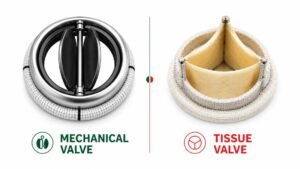
Mechanical vs Tissue Valve: Which Is Right for You?
Being told that you need a heart valve replacement often raises one question before any other: “Which…
Read Article →
Life After Heart Surgery: Recovery, Risks & What to Expect?
The surgery is done. The heart is beating. And now, sitting in a hospital ward…
Read Article →
Is Heart Valve Repair or Replacement a Major Surgery? – Dr. Dinesh Mittal
The aortic valve is one of four valves that control blood flow in the…
Read Article →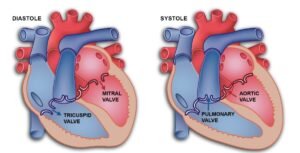
Aortic Valve Repair vs. Replacement: How Do They Differ?
Aortic valve repair and aortic valve replacement are two surgical procedures used to treat…
Read Article → WhatsApp