
Heart Attack Treatment in Delhi
A heart attack, medically known as myocardial infarction, is one of the most time-critical cardiac emergencies a person can face. Heart attack signs can vary, but the most common include chest pain or pressure, shortness of breath, and discomfort spreading to the arms, neck, jaw, or back. Recognising these early can be life-saving.
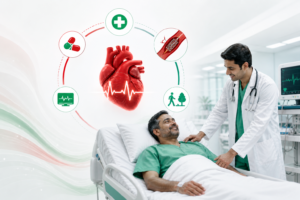
Patients seeking heart attack treatment in Delhi benefit from prompt evaluation by an experienced cardiac specialist at a well-equipped emergency hospital. With rapid diagnosis and timely procedures such as angioplasty or bypass surgery, many patients recover successfully and return to their daily lives. Early heart attack management not only improves outcomes but also helps contain treatment costs by reducing the risk of complications and prolonged hospitalisation.
For patients and families in Delhi seeking expert care, Dr. Dinesh Kumar Mittal, Senior Director and Head of Cardiothoracic and Vascular Surgery at Fortis Hospital, Shalimar Bagh, provides specialist evaluation, post-resuscitation management, and long-term cardiac treatment to address the underlying cause of heart attack and reduce the risk of recurrence.
Request a Consultation
What is a heart attack?
A heart attack, or myocardial infarction, occurs when the blood supply to a portion of the heart muscle is suddenly blocked. This is the cardiac attack meaning in clinical terms, a disruption of oxygenated blood reaching the myocardium, leading to muscle damage.
This blockage usually happens when fatty deposits, known as plaque, accumulate inside the coronary arteries, which supply oxygen-rich blood to the heart. What causes a heart attack in most cases is the rupture of this plaque, which triggers a clot that completely seals the artery. Without oxygen, the heart muscle begins to die. The longer the blockage remains untreated, the greater the damage.
Prompt assessment by a myocardial infarction specialist at a well-equipped cardiac hospital ensures that treatment begins as quickly as possible.
Common Symptoms of a Heart Attack
Heart attack symptoms can begin gradually or appear suddenly and with intensity. Recognising myocardial infarction symptoms early is critical; many people initially mistake them for acidity or fatigue, which delays care.
Common symptoms include:
- Persistent chest pain or pressure, often described as heaviness or tightness
- Pain spreading to the left arm, shoulder, neck, jaw, or back
- Shortness of breath even while resting
- Cold sweats or sudden sweating
- Nausea or vomiting
- Dizziness or fainting sensation
- Unusual fatigue or weakness
Symptoms can vary from person to person. Some individuals experience a massive heart attack with severe, unmistakable chest pain, while others may only feel mild discomfort or breathlessness, which is why any warning sign must be taken seriously. Women, elderly patients, and people with diabetes may have less typical presentations.
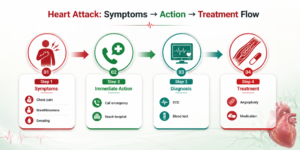
If any of these symptoms occur, seek emergency treatment immediately. Early intervention is the most effective way to restore blood flow to the heart and limit damage.
Causes and Risk Factors of Heart Attack
Understanding heart attack reasons helps patients and families assess their own risk and take preventive action. Most heart attacks occur due to coronary artery disease, a condition in which fatty deposits accumulate inside the coronary arteries and gradually narrow them. Over time, these deposits can rupture and form blood clots that suddenly block blood flow to the heart.
Several lifestyle and medical factors increase the risk:
- High blood pressure
- High cholesterol levels
- Diabetes
- Smoking
- Obesity or excess body weight
- Sedentary lifestyle
- Family history of heart disease
- Chronic stress
- Unhealthy diet high in saturated fats
Managing these risk factors is essential for long-term heart health and for reducing the likelihood of future cardiac problems.
Diagnosis at a Specialist Cardiac Emergency Hospital in Delhi
Accurate, rapid diagnosis is central to determining the right myocardial infarction treatment pathway. At a specialised cardiac emergency hospital in Delhi, patients are evaluated using advanced diagnostic tools to quickly confirm a cardiac event.
Common diagnostic tests include:
- Electrocardiogram (ECG): Detects electrical abnormalities indicating reduced blood flow to the heart muscle
- Blood Tests: Check for cardiac enzymes released when the heart muscle is damaged, a key marker of myocardial infarction
- Echocardiography: Assesses the heart’s pumping function and identifies affected areas
- Coronary Angiography: Visualises blocked arteries and determines whether angioplasty or surgery is required
- Continuous Cardiac Monitoring: Detects irregular heart rhythms or complications in real time
A prompt and accurate diagnosis allows treatment to begin without delay and significantly improves the chances of recovery.
Treatment Options for Heart Attack in Delhi
The treatment plan depends on the severity of the blockage, the patient’s overall health, and the speed at which they receive medical care. An experienced cardiac surgeon or interventional specialist will evaluate each patient and recommend the most appropriate approach.
Emergency Medical Treatment
When a patient arrives with symptoms of a heart attack, the medical team begins immediate heart attack management to stabilise the condition and protect the heart muscle.
Emergency treatment may include:
- Oxygen therapy to improve oxygen supply to the heart
- Blood-thinning medicine for a heart attack to prevent further clot formation
- Pain-relief medications
- Clot-dissolving drugs (thrombolytics), which are a form of myocardial infarction supportive therapy in settings where catheterisation is not immediately available
- Intensive cardiac monitoring
Receiving care at a 24/7 cardiac emergency hospital is critical for limiting heart damage, and for patients experiencing a massive heart attack, the speed of this initial response can determine survival.
Angioplasty and Stent Placement
Angioplasty is among the most effective treatments for a heart attack when a blockage needs to be opened urgently. During this minimally invasive procedure:
- A thin catheter is inserted through a blood vessel in the wrist or groin
- A small balloon is inflated at the site of the blockage to open the artery
- A stent (a small metal mesh tube) is placed to keep the artery open and maintain blood flow
This procedure rapidly restores circulation and reduces the risk of further heart damage. It is the preferred first-line myocardial infarction treatment in most acute presentations.
Coronary Artery Bypass Surgery
For patients with multiple or complex blockages, what is the treatment for heart attack shifts toward bypass surgery. In this procedure, a healthy blood vessel taken from another part of the body is used to create a new route for blood to reach the heart, bypassing the blocked artery entirely.
The decision to perform bypass surgery is made after a thorough evaluation, ensuring the approach is best suited to the patient’s specific anatomy and condition. This is one of the most durable myocardial infarction treatments available for complex coronary artery disease.
Why Timely Medical Attention Matters?
A heart attack is a medical emergency where every minute counts. The sooner blood flow is restored, the lower the risk of permanent muscle damage, and the lower the risk of heart attack death. Delay in treatment remains one of the leading reasons outcomes worsen in cardiac emergencies.
Early care delivers several critical benefits:
- Faster restoration of blood flow
- Reduced damage to heart tissue
- Lower risk of heart failure or complications
- Shorter hospital stays
- Improved survival rates
Acting quickly and reaching the right cardiac facility is the single most important decision in a cardiac emergency.
Heart Attack Treatment Cost in Delhi
The heart attack treatment cost in Delhi typically ranges from ₹1,35,000 to ₹6,50,000, depending on the severity of the condition and the type of intervention required.
Factors influencing the cost include:
- Type of procedure performed
- Number and type of stents used
- Duration of ICU stay
- Hospital infrastructure and facilities
- Experience of the treating specialist
Approximate costs include:
- Angioplasty cost in Delhi: ₹1,35,000 – ₹4,25,000
- Bypass surgery cost in Delhi NCR: ₹2,50,000 – ₹6,50,000
A detailed consultation at a specialised cardiac hospital in Delhi NCR helps patients and families understand the recommended treatment plan and associated costs, reducing the likelihood of unexpected financial burden.
Recovery After Heart Attack Treatment
Recovering after a heart attack takes time, appropriate medical guidance, and structured follow-up to help the heart heal properly. After treatment, patients are monitored closely and guided through a structured plan that may include:
- Cardiac monitoring and follow-up tests
- Medications to prevent clot formation and control blood pressure
- Dietary and lifestyle changes
- Cardiac rehabilitation programmes
- Regular follow-ups with a heart specialist in Delhi NCR
Many patients return to their daily routines within a few weeks, although full recovery may take longer depending on the severity of the myocardial infarction and the treatment received.
Prevention and Risk Management
Protecting heart health after treatment is essential to reduce the risk of another cardiac event.
Lifestyle Changes
Important lifestyle measures include:
- Quitting smoking
- Maintaining a healthy weight
- Exercising regularly
- Following a balanced diet rich in fruits and vegetables
- Managing stress effectively
- Controlling blood pressure and cholesterol levels
Regular Health Check-ups
Routine visits allow doctors to monitor heart health, identify early warning signs, and adjust treatment when necessary. During follow-up visits, a cardiologist may evaluate blood pressure, cholesterol and blood sugar levels, heart rhythm and function, effectiveness of medications, and lifestyle habits.
When to Consult a Cardiac Specialist in Delhi?
You should consult a specialist if you experience:
- Persistent chest discomfort
- Breathlessness during routine activities
- Unexplained fatigue
- Palpitations or irregular heartbeat
- Dizziness or fainting episodes
People with high blood pressure, diabetes, high cholesterol, or a family history of heart disease should also consider regular cardiac check-ups. Early evaluation by a myocardial infarction specialist can prevent serious complications before they escalate.
Why Patients Choose Dr. Dinesh Kumar Mittal for Heart Attack Treatment in Delhi?
Heart attack treatment in Delhi requires more than a well-equipped hospital; it requires a specialist who can make the right call under pressure, from emergency management through to complex surgical intervention.
Dr. Dinesh Kumar Mittal, Director and Head of Cardiothoracic and Vascular Surgery at Fortis Hospital, Shalimar Bagh, brings over 25 years of experience and more than 10,000 cardiac surgeries to every case, from treatment for mild heart attack presentations to high-acuity emergencies requiring immediate surgical intervention.
Reasons patients trust him as one of the leading cardiac specialists in Delhi:
- MCh in Cardiothoracic Surgery from AIIMS New Delhi, India’s highest surgical qualification in this speciality
- Fellowship in Endovascular Stenting, Milan, Italy, specialist training in catheter-based cardiac interventions
- Expertise in managing the full range of myocardial infarction treatments, from emergency angioplasty to complex bypass surgery
- Experience with both straightforward and high-risk cardiac emergencies, including patients with diabetes, reduced heart function, and multi-vessel coronary disease
- Transparent discussion of treatment options and heart attack treatment cost in Delhi
- Based at Fortis Hospital, Shalimar Bagh, NABH-accredited, with a dedicated cardiac ICU, advanced catheterisation labs, and 24/7 emergency cardiac support
Book a Consultation for Heart Attack Treatment in Delhi
If you or a family member has experienced a heart attack or has been identified as high risk due to coronary artery disease, uncontrolled risk factors, or a family history of cardiac events, a specialist consultation is the most important step you can take.
Early intervention, whether through angioplasty, bypass surgery, or structured medical management, significantly reduces the risk of a future cardiac event and long-term heart damage.
During your consultation with Dr. Dinesh Kumar Mittal, you will receive:
- A detailed review of your cardiac history, symptoms, and risk factors
- Evaluation of existing reports, including ECG, echocardiogram, and coronary angiography, where available
- Assessment of myocardial infarction severity and any underlying structural heart disease
- A clear explanation of myocardial infarction treatment options and what each involves
- Transparent guidance on the appropriate next steps, whether that is surgical intervention, ongoing monitoring, or medication management
Do not delay seeking an expert opinion. If a heart attack has occurred or risk has been identified, early evaluation by a specialist can be the difference between recovery and irreversible damage.
Frequently Asked Questions
How quickly should you go to the hospital during a heart attack? expand_more
If you experience symptoms such as chest pain, breathlessness, or sweating, you should go to a cardiac emergency hospital immediately. Early treatment within the first hour significantly improves survival and reduces heart damage.
How long does recovery take after angioplasty? expand_more
Recovery after angioplasty is usually quick. Many patients resume normal activities within one to two weeks, although complete recovery may vary depending on the patient’s health condition.
Can a person live a normal life after heart attack treatment? expand_more
Yes, many individuals return to normal and active lives after heart attack treatment, especially when they follow medications, maintain a healthy lifestyle, and attend regular follow-ups with a cardiologist.
What is the difference between a mild heart attack and a massive heart attack? expand_more
A mild heart attack involves partial blockage or a smaller area of heart muscle affected, while a massive heart attack involves complete occlusion of a major artery, leading to extensive damage.
How do I book a consultation with Dr. Dinesh Kumar Mittal? expand_more
You can book an appointment with Dr. Dinesh Kumar Mittal by contacting Fortis Hospital, Shalimar Bagh, directly or using the online appointment booking facility on the website.

Dr. Dinesh Mittal's Medical Content Team
Dr. Dinesh Kumar Mittal’s medical content team creates clear, reliable, and patient-friendly healthcare information. With a strong understanding of medical concepts and experience in health writing and SEO, the team simplifies complex topics into easy-to-read content. Each resource is designed to help patients better understand their care options and make informed decisions, while aligning with Dr. Mittal’s commitment to quality and transparency in patient care.
This content is reviewed by Dr. Dinesh Kumar Mittal
Related Conditions

Related Blogs
Top 5 Early Signs of Cardiovascular Diseases Everyone Should Know
Cardiovascular diseases (CVDs) remain one of the leading causes of death worldwide, affecting millions each…
Read Article →
How Quitting Smoking Benefits Your Lung and Heart Health?
Did you know that smoking causes nearly 85% of lung cancer deaths, as reported…
Read Article →
Are Heart Attacks More Common in Winter? The Truth Behind the Myth
As winter arrives, many people focus on enjoying the season’s festivities, cosying up indoors,…
Read Article →
Can Stem Cell Therapy Regenerate Heart Tissue?
Imagine a future where the heart can heal itself. With cutting-edge innovations in medical…
Read Article →
Understanding Non-Cardiac Chest Pain: Exploring Common Thoracic Causes
Do you feel a dull ache or a sharp stab in and around your…
Read Article →
When Shortness of Breath Signals a Serious Issue?
Have you ever felt suffocated when breathing and gasped for air? Well, you are…
Read Article → WhatsApp