
Coronary Artery Disease (CAD) Treatment in Delhi
Coronary Artery Disease (CAD) Treatment in Delhi plays a vital role in protecting heart health and preventing serious cardiovascular complications. CAD develops when the arteries supplying blood to the heart become narrowed due to the gradual accumulation of cholesterol and other deposits.
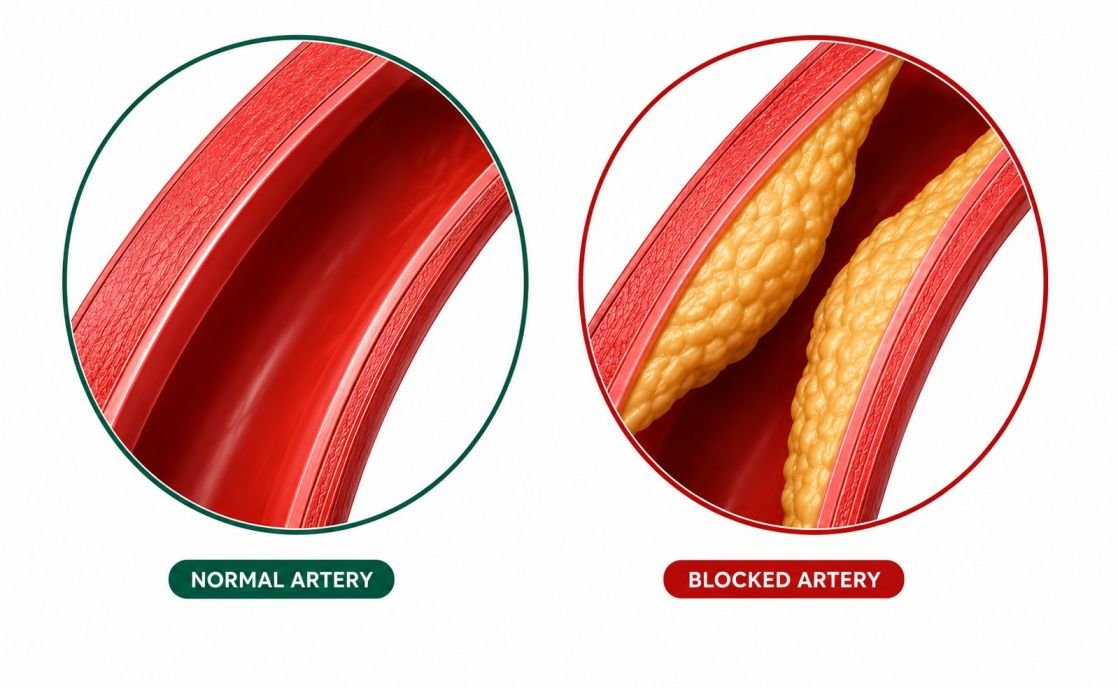
Dr. Dinesh Kumar Mittal, Senior Director and Head of Cardiothoracic and Vascular Surgery at Fortis Hospital, Shalimar Bagh, offers comprehensive coronary artery disease (CAD) treatment in Delhi. With timely evaluation and advanced treatment options, patients can improve heart function, manage symptoms effectively, and maintain a healthier, more active lifestyle.
Request a Consultation
What is Coronary Artery Disease?
Coronary Artery Disease (CAD) is a common cardiovascular condition that restricts blood flow to the heart and can lead to symptoms such as chest pain (angina), breathlessness, fatigue, and reduces exercise capacity. If the blockage becomes severe or sudden, it may result in a heart attack.
- Obstructive Coronary Artery Disease: In this type, one or more major coronary arteries are significantly narrowed, typically by 50% or more.
- Non-Obstructive Coronary Artery Disease: Here, plaque is present within the coronary arteries, but the narrowing is less severe, generally involving less than 50% blockage.
- Coronary Microvascular Disease: This condition affects the heart’s smallest blood vessels rather than the major coronary arteries. Damage or dysfunction of these tiny vessels impairs blood flow to the heart muscle, even when larger arteries appear normal.
Coronary Artery Disease Symptoms
As the condition progresses, patients may experience symptoms such as chest discomfort, shortness of breath, pain in the neck, jaw, shoulder, or arm, particularly during physical activity or emotional stress.
A heart attack can occur when blood flow to part of the heart is suddenly blocked. Common warning signs include:
- Chest pain or discomfort (angina) that may feel like pressure, heaviness, squeezing, tightness, or burning in the chest
- Pain that may spread to the shoulders, arms, neck, jaw, or back
- Shortness of breath, especially during physical activity
- Cold sweats
- Dizziness or lightheadedness
- Nausea or indigestion-like discomfort
- Unexplained weakness or fatigue
Women may experience heart attack symptoms differently and are often less likely to have classic chest pain. Instead, they may present with:
- Extreme fatigue
- Dizziness
- Nausea or vomiting
- Chest pressure or tightness
- Upper abdominal or stomach discomfort
Any persistent or sudden onset of these symptoms requires immediate medical attention, as early treatment can significantly improve outcomes.
What causes Coronary Artery Disease?
Several factors contribute to the development and progression of CAD. Coronary artery disease causes include:
- High cholesterol levels
- High blood pressure
- Diabetes
- Smoking and tobacco use
- Obesity
- Physical inactivity
- Unhealthy diet rich in saturated fats and processed foods
- Chronic stress
- Increasing age
- Family history of heart disease
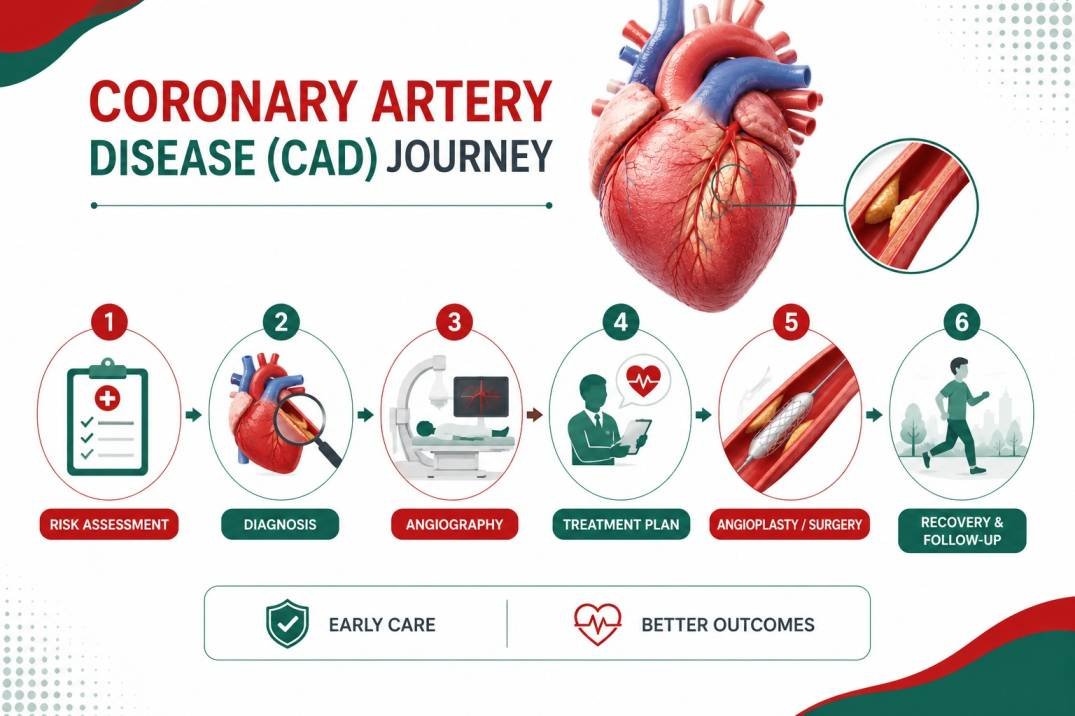
How Is Coronary Artery Disease Diagnosed?
A combination of blood tests and advanced cardiac imaging helps accurately diagnose coronary artery disease, assess the severity of arterial blockages, and guide the most effective treatment plan.
| Diagnostic Test | Purpose |
| Blood Tests | Measure cholesterol, triglycerides, blood sugar, lipoproteins, and inflammatory markers that may increase the risk of coronary artery disease. |
| Electrocardiogram (ECG) | Records the heart’s electrical activity to identify abnormal heart rhythms, signs of reduced blood flow, or previous heart damage. |
| Coronary Calcium Scan | Uses CT imaging to detect and measure calcium deposits in the coronary arteries, helping assess the risk of coronary artery disease. |
| Stress Test (Treadmill Test) | Evaluates how the heart performs during physical exertion and helps identify reduced blood flow to the heart muscle. |
| Cardiac MRI | Provides detailed images of the heart to assess blood flow, heart muscle damage, and conditions affecting both large and small coronary arteries. |
| Cardiac PET Scan | Measures blood flow within the heart muscle and can help diagnose coronary microvascular disease. |
| Coronary CT Angiography (CCTA) | A non-invasive imaging test that visualizes coronary arteries and detects narrowing or blockages. |
| Invasive Coronary Angiography | Considered the gold standard for diagnosing coronary artery blockages, using contrast dye and cardiac catheterization to precisely identify narrowed or blocked arteries. |
Coronary Artery Disease Treatment Options in Delhi
Coronary artery disease treatment is individualized to each patient’s condition, taking into account the complexity of arterial blockages, cardiac function, and associated risk factors.
Medical Management and Lifestyle Modification
For patients with early-stage or less severe CAD, treatment may begin with medications and lifestyle changes aimed at controlling risk factors and slowing disease progression. Lifestyle modifications remain a cornerstone of treatment and include:
- Following a heart-healthy diet
- Regular physical activity
- Smoking cessation
- Weight management
- Stress reduction
- Control of blood pressure, cholesterol, and blood sugar levels
Coronary Angioplasty and Stenting (PCI)
Coronary angioplasty, or Percutaneous Coronary Intervention (PCI), is a minimally invasive procedure used to treat narrowed or blocked coronary arteries. During the procedure, a balloon catheter is advanced to the blockage site and inflated to widen the artery. A stent is usually placed to keep the artery open and maintain adequate blood flow.
Angioplasty is often recommended for patients with localized or less complex blockages and offers benefits such as a shorter hospital stay, faster recovery, and effective symptom relief.
Coronary Artery Bypass Grafting (CABG)
Coronary Artery Bypass Grafting (CABG) is a surgical procedure performed to restore blood flow to the heart when multiple or complex coronary arteries are blocked. Healthy blood vessels from the chest, arm, or leg are used to create alternate pathways around the blocked arteries.
CABG is commonly recommended for:
- Multivessel coronary artery disease
- Left main coronary artery disease
- Severe or complex arterial blockages
- Patients with diabetes and extensive CAD
- Cases where long-term surgical outcomes are expected to be superior to angioplasty
CABG provides durable long-term results and remains one of the most effective treatments for advanced coronary artery disease.
Advanced Surgical Techniques
In selected patients, advanced procedures such as Off-Pump (Beating Heart) CABG, Hybrid Coronary Revascularization, or Coronary Endarterectomy may be performed to optimize outcomes and address complex coronary artery disease.
The choice between medical therapy, angioplasty, or bypass surgery depends on the patient’s individual condition and is determined following a comprehensive cardiac evaluation.
Coronary Artery Disease Treatment Cost in Delhi
The average CAD treatment cost in Delhi depends on factors such as the hospital chosen, the surgeon’s expertise, the number of grafts required, pre- and post-operative care, and ICU stay.
Patients are advised to check detailed cost estimates with their cardiac care team and consider insurance coverage when planning treatment.
| Cost Component | Cost (INR) | Cost (USD) |
| On-Pump / Off-Pump CABG Surgery | Starting from ₹2,00,000 | Starting from $4,000 |
| Minimally Invasive Bypass Surgery | Additional ₹50,000 | Additional $1,000 |
| Pre-Surgical Evaluation (Blood tests, ECG, Coronary Angiography, CT Scan, Stress Test, etc.) | Starting from ₹15,000 | Starting from $250 |
| Post-Surgery Follow-up & Medications | Starting from ₹3,000 | Starting from $50 |
| Additional Hospital Stay (Per Day) | Starting from ₹12,000 | Starting from $200 |
Why Patients Trust Dr. Dinesh Kumar Mittal for Coronary Artery Disease Treatment in Delhi
Patients across Delhi NCR trust Dr. Dinesh Kumar Mittal for coronary artery disease treatment because of:
- MCh in Cardiothoracic Surgery from AIIMS, New Delhi, India’s premier training institution for cardiac surgery
- Over 10,000 successful cardiac surgeries, including complex coronary artery bypass procedures and high-risk cardiac interventions
- Extensive expertise in Coronary Artery Bypass Grafting (CABG), including on-pump, off-pump, and advanced coronary revascularization techniques
- Fellowship in Endovascular Stenting, Milan, Italy, providing a comprehensive understanding of both surgical and catheter-based coronary interventions
- Proven experience in managing multivessel coronary artery disease, left main coronary artery disease, and complex coronary blockages
- Access to advanced cardiac infrastructure, including dedicated cardiac ICUs, hybrid operating theatres, ECMO support, and round-the-clock emergency cardiac services
Dr. Dinesh Mittal follows a patient-centric approach, ensuring that every individual undergoes a comprehensive cardiac evaluation before treatment is recommended.
Book a Consultation for Coronary Artery Disease Treatment in Delhi
Early consultation with the best cardiac specialist can help identify the severity of the disease and ensure timely treatment before irreversible heart damage occurs.
If you are experiencing chest pain, shortness of breath, unexplained fatigue, or have been diagnosed with blocked heart arteries, seeking expert evaluation early can help you access the most effective CAD treatment in Delhi and reduce the risk of future cardiac complications.
Frequently Asked Questions
What is the difference between angioplasty and bypass surgery? expand_more
Angioplasty uses a balloon and stent to open blocked arteries through a minimally invasive procedure, while coronary artery bypass grafting (CABG) creates a new pathway around blocked arteries using healthy blood vessels.
What Is the Recovery Timeline After Coronary Artery Disease Treatment? expand_more
Most angioplasty patients recover within 1-2 weeks, while bypass surgery recovery typically takes 6-12 weeks.
Can Coronary Artery Disease (CAD) Develop Without Symptoms? expand_more
Yes. Coronary Artery Disease (CAD) can develop silently, especially in its early stages. Some patients may not experience symptoms until significant coronary artery blockage occurs or blood flow to the heart becomes restricted.
Is coronary artery disease reversible? expand_more
While existing plaque buildup may not completely disappear, lifestyle changes, medications, and proper management of risk factors can slow disease progression, stabilize plaques, and significantly reduce the risk of complications.
How do I book a consultation with Dr. Dinesh Kumar Mittal? expand_more
You can book an appointment with Dr. Dinesh Kumar Mittal by contacting us directly on the contact number on the website, or through the online appointment facility form available here.

Dr. Dinesh Mittal's Medical Content Team
Dr. Dinesh Kumar Mittal’s medical content team creates clear, reliable, and patient-friendly healthcare information. With a strong understanding of medical concepts and experience in health writing and SEO, the team simplifies complex topics into easy-to-read content. Each resource is designed to help patients better understand their care options and make informed decisions, while aligning with Dr. Mittal’s commitment to quality and transparency in patient care.
This content is reviewed by Dr. Dinesh Kumar Mittal
Related Conditions

Heart Failure Treatment in Delhi
Heart failure does not mean the heart has stopped working; it means the heart is no longer pumping blood as…
Peripheral Artery Disease Treatment in Delhi
Peripheral artery disease (PAD) is a circulatory condition in which plaque builds up inside the arteries supplying the legs, progressively…
Congestive Heart Failure Treatment in Delhi
Congestive heart failure (CHF) occurs when the heart loses its ability to pump blood effectively. As a result, fluid builds…
Related Blogs

Life After Heart Surgery: Recovery, Risks & What to Expect?
The surgery is done. The heart is beating. And now, sitting in a hospital ward…
Read Article →
CABG vs. Angioplasty: How Do You Know Which One You Actually Need?
If you or someone in your family has been told that the heart arteries are…
Read Article →
Understanding Heart Failure Surgery: What are the Procedures, Risks, and Costs Involved?
Heart failure surgery addresses critical heart issues through various procedures aiming to enhance heart…
Read Article →
How is Total Arterial CABG Beneficial for Cardiac Wellness and Longevity of a Patient’s Life? – Dr. Dinesh Mittal
Cardiac wellness is vital in giving heart patients more longevity and better overall health.…
Read Article →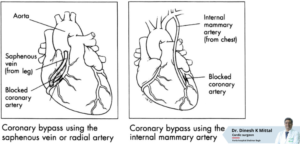
What is the Difference Between On-Pump and Off-Pump CABG? – Dr. Dinesh Mittal
In the world of heart surgery, the choice between on-pump and off-pump coronary artery…
Read Article →
What Post-Operative Care is Needed After Open Heart Surgery?
Undergoing open heart surgery is a life-changing event for many patients. It’s one of…
Read Article → WhatsApp