
Pacemaker Implantation Procedure for Children in Delhi
A pacemaker is a small, battery-powered device designed to regulate abnormal heart rhythms. It works by sending mild electrical signals to the heart whenever the heartbeat becomes too slow or irregular, helping it beat at a steady, healthy pace.
Although Pacemakers are often associated with older adults, they can also be lifesaving for children with certain heart rhythm disorders. In fact, millions of people worldwide live normal and active lives with pacemakers. For children with serious heart rhythm abnormalities, pacemaker implantation can help restore proper heart function, improve blood circulation and support normal growth and development.
Request a Consultation
What is a Paediatric Pacemaker?
A paediatric pacemaker is a specialised small medical device used to manage heart rhythm disorders in infants, children, and adolescents.
The heart normally beats in a steady rhythm because of natural electrical signals that control each heartbeat. When these signals weaken or become disrupted, the heart may beat too slowly or irregularly. In such cases, a pacemaker procedure for children helps regulate the heartbeat by sending controlled electrical impulses.
These devices are carefully selected based on the child’s age, body size, and medical condition to ensure safe and effective treatment.
When Does a Child Need Pacemaker Implantation?
Certain heart rhythm problems in children can affect how well the heart pumps blood to the body. Doctors may recommend paediatric pacemaker surgery when a child develops serious heart rhythm problems that cannot be managed with medication alone.
Common conditions requiring a pacemaker include:
Congenital Heart Block
This condition is present at birth and affects the electrical signals between the heart’s upper and lower chambers. As a result, the heart cannot maintain a regular rhythm.
Severe Bradycardia
Bradycardia refers to an abnormally slow heart rate. When the heart beats too slowly, it may not pump enough blood to the body.
Certain Arrhythmias
Some children develop irregular heart rhythms that interfere with the heart’s ability to pump blood efficiently.
These conditions can cause symptoms such as:
- Fatigue
- Dizziness
- Poor feeding in infants
- Fainting spells
- Difficulty with physical activity
A pacemaker implantation surgery helps restore normal heart rhythm and improve circulation, allowing the child to feel more active and healthy.
Pacemaker Implantation Procedure for Children
Pacemaker implantation for children is performed by a specialised paediatric cardiologist and cardiac surgical team in a well-equipped hospital setting to ensure safety and precision throughout the procedure.
Step 1: Anaesthesia
The procedure is performed under general anaesthesia so the child remains comfortable and pain-free during the surgery.
Step 2: Small Incision
A small incision is made, usually near the collarbone, to create space where the pacemaker device will be placed under the skin.
Step 3: Lead Placement
Thin, flexible wires called leads are carefully inserted through a vein and guided into the heart using specialised imaging techniques. These leads help carry electrical signals from the pacemaker to the heart.
Step 4: Device Placement
Once the leads are positioned correctly, they are connected to the pacemaker device. The device is then placed under the skin in the chest area.
Step 5: Testing the Pacemaker
Before completing the surgery, the surgeon tests the pacemaker to ensure it is working properly and sending the right signals to regulate the heart rhythm before closing the incision.
The pacemaker procedure for children usually takes about 1–2 hours, depending on the child’s condition and the type of pacemaker used. After the procedure, the child is monitored closely to ensure the pacemaker is functioning well and recovery is progressing smoothly.
Recovery After Pacemaker Surgery in Children
Most children recover well after pacemaker surgery with proper care and medical supervision. Recovery after paediatric pacemaker surgery is generally smooth when performed by experienced cardiac specialists and followed by appropriate post-operative care.
After the surgery, most children:
- Stay in the hospital for 1–3 days so doctors can monitor their heart rhythm and overall recovery.
- Are able to resume light activities within 1–2 weeks.
- Gradually return to school and daily routine activities.
During the recovery period, doctors schedule regular follow-up visits to check that the pacemaker is working properly and to make adjustments if needed. These visits also help ensure that the child’s heart continues to beat at a healthy rate as they grow.
With proper monitoring, many children can grow and live active lives with a pacemaker and participate in most normal childhood activities.
What is the Cost of Pacemaker Implantation for Children in Delhi?
Understanding the expected treatment cost can help parents plan their child’s medical care more comfortably. The cost of pacemaker implantation for children in Delhi may vary depending on several factors, including the child’s condition, the type of pacemaker used, and the hospital where the procedure is performed.
Estimated cost range:
- Pacemaker implantation surgery: ₹3,00,000 – ₹5,50,000
- Pacemaker device: ₹50,000 – ₹80,000
Several factors can influence the total cost of treatment, such as:
- Type of pacemaker (single or dual chamber)
- Hospital infrastructure and facilities
- Experience of the cardiac surgeon
- Duration of hospital stay
- Post-surgical monitoring and follow-up care
Parents are encouraged to speak with the hospital or cardiac specialist beforehand to understand the complete treatment plan, estimated expenses, and available insurance or financial assistance options. This helps families prepare better for the procedure and ongoing care.
Why Choose Dr. Dinesh Kumar Mittal for Pacemaker Implantation Procedure for Children?
Choosing the right cardiac specialist is important for ensuring safe treatment and the best possible outcome for your child. When considering pacemaker implantation for children in Delhi, choosing an experienced cardiac specialist is crucial for safe treatment and successful outcomes.
When considering pacemaker implantation for children in Delhi, it is important to consult an experienced surgeon who specialises in paediatric heart conditions. Dr. Dinesh Kumar Mittal is a highly respected cardiac surgeon with decades of experience in treating complex heart conditions.
Reasons many families trust him for paediatric pacemaker surgery in Delhi include:
- Extensive experience in paediatric cardiac procedures
- Expertise in managing congenital heart rhythm disorders
- Use of advanced pacemaker implantation techniques
- Focus on minimally invasive surgical approaches
- Comprehensive post-procedure monitoring and follow-up care
Dr. Mittal and his team prioritise personalised treatment plans, ensuring that every child receives safe, effective, and compassionate cardiac care.
Conclusion
Heart rhythm disorders in children can be worrying for parents, but timely treatment can significantly improve a child’s health and well-being. Pacemaker implantation for children is an effective treatment for conditions such as congenital heart block and severe bradycardia, helping the heart maintain a regular rhythm and ensuring proper blood circulation.
With modern technology and skilled specialists, paediatric pacemaker surgery offers excellent outcomes and a high success rate. Many children recover well after the procedure and are able to grow, stay active, and lead healthy lives. In Delhi, specialised cardiac centres and experienced heart specialists provide advanced care for children with heart rhythm disorders, supporting their long-term health and development.
Frequently Asked Questions
How safe is pacemaker implantation for children? expand_more
Pacemaker implantation surgery in children is considered very safe when performed by experienced cardiac specialists. Modern surgical techniques and monitoring systems significantly reduce risks.
How long does pacemaker surgery take in children? expand_more
The pacemaker implantation procedure for children typically takes about 1–2 hours, depending on the child’s heart condition and the type of pacemaker used.
Can children live a normal life with a pacemaker? expand_more
Yes. Most children with a paediatric pacemaker can participate in school, play, and many physical activities. Regular medical follow-ups help ensure the device continues to function properly.
How often does a child with a pacemaker need follow-up visits? expand_more
Children usually require check-ups every 3 to 6 months to monitor pacemaker performance and adjust settings if needed.
What precautions should children with pacemakers take? expand_more
Children with pacemakers may need to avoid strong magnetic fields and certain high-impact activities. However, most day-to-day activities are completely safe after recovery.

Dr. Dinesh Mittal's Medical Content Team
Dr. Dinesh Kumar Mittal’s medical content team creates clear, reliable, and patient-friendly healthcare information. With a strong understanding of medical concepts and experience in health writing and SEO, the team simplifies complex topics into easy-to-read content. Each resource is designed to help patients better understand their care options and make informed decisions, while aligning with Dr. Mittal’s commitment to quality and transparency in patient care.
This content is reviewed by Dr. Dinesh Kumar Mittal
Related Blogs
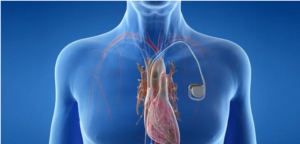
Pacemaker Surgery Cost In Delhi | Dr. Dinesh Kumar Mittal – Dr. Dinesh Mittal
A normal, healthy heart has internal pacemakers that regulate its rhythmic contractions. Pacemakers play…
Read Article →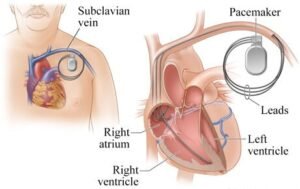
Can Biventricular Pacemaker Implantation Improve Heart Function?
Heart failure, a condition affecting millions, primarily occurs in older adults but can impact…
Read Article →
Can a Smartwatch Really Detect a Heart Problem?
Today’s stressful and busy lifestyle has prompted many people to adopt healthy habits. Besides…
Read Article → WhatsApp