
Aortic Stenosis Treatment in Delhi – Cardiac Care by Dr. Dinesh Kumar Mittal
Aortic stenosis is one of the most common and serious heart valve conditions, affecting thousands of patients across India each year. It occurs when the aortic valve, which controls blood flow from the heart to the rest of the body, becomes narrowed and cannot open fully. This places considerable strain on the heart muscle and, if left untreated, can lead to heart failure, collapse, or sudden cardiac death.
For many patients, symptoms begin gradually, sometimes so gradually that the condition goes unrecognised for years. By the time breathlessness, chest pain, or fainting episodes appear, the disease may already be at a severe stage. Early diagnosis and specialist evaluation are essential.
Dr. Dinesh Kumar Mittal, Senior Director and Head of Cardiothoracic and Vascular Surgery at Fortis Hospital, Shalimar Bagh, Delhi, provides comprehensive assessment and treatment for aortic stenosis across all stages of severity. With over 25 years of experience, he brings specialist expertise to both surgical and catheter-based valve treatments, ensuring that every patient receives a treatment approach appropriate to their condition and overall health.
Request a Consultation
What Is Aortic Stenosis?
The aortic valve sits at the junction between the left ventricle (the heart’s main pumping chamber) and the aorta (the large artery that carries blood to the rest of the body). A healthy aortic valve opens and closes smoothly with every heartbeat, allowing blood to flow freely.
In aortic stenosis, the valve leaflets become thickened, stiff, or calcified over time. The valve opening narrows, and the heart must work significantly harder to push blood through the restricted passage. Over the years, this increased workload causes the heart muscle to thicken and eventually weaken.
Aortic stenosis is graded by severity:
| Stage | Valve Area | Pressure Gradient | Clinical Status |
|---|---|---|---|
| Mild | > 1.5 cm² | < 25 mmHg | Usually asymptomatic |
| Moderate | 1.0–1.5 cm² | 25-40 mmHg | May begin experiencing symptoms |
| Severe | < 1.0 cm² | > 40 mmHg | Symptoms are typically present; intervention is often required |
| Very Severe | < 0.6 cm² | > 60 mmHg | High risk; urgent evaluation needed |
Once symptoms develop in severe aortic stenosis, the outlook without treatment deteriorates significantly. Studies cited in international cardiology guidelines indicate a median survival of approximately two to three years after symptom onset without intervention. This makes timely assessment critically important.
What Are The Causes of Aortic Stenosis?
Aortic stenosis develops from several underlying causes, each more common in different age groups:
- Age-related calcification (most common in adults over 65): Over decades, calcium deposits accumulate on the aortic valve leaflets, making them progressively stiffer and less able to open fully. This is the most common cause among elderly patients in Delhi and across India.
- Bicuspid aortic valve (congenital): A normal aortic valve has three leaflets. In approximately 1-2% of the population, the valve forms with only two leaflets. This structural difference causes abnormal wear and tear, leading to stenosis decades earlier than age-related calcification, often in patients aged 40 to 60.
- Rheumatic heart disease: A significant cause in India, rheumatic fever (following untreated streptococcal throat infections) causes scarring and fusion of the valve leaflets. Rheumatic aortic stenosis often develops alongside disease in the mitral valve.
- Congenital aortic stenosis: In some children, the aortic valve is narrowed from birth. This is identified during childhood cardiac assessment and may require intervention in infancy, childhood, or early adulthood, depending on severity.
Symptoms of Aortic Stenosis
Aortic stenosis symptoms often appear late and signal advanced disease. Watch for chest pain, breathlessness, or fainting, and seek timely cardiac evaluation. One of the most important characteristics of aortic stenosis is that it may remain entirely silent for many years. The heart compensates for the narrowed valve for a long time before symptoms eventually emerge. When they do, it usually signals that the condition has reached a significant stage.
The three hallmark symptoms of severe aortic stenosis are:
- Chest pain or tightness (angina): Discomfort in the chest, particularly during physical activity or exertion, is often among the earliest symptoms. It occurs because the thickened heart muscle demands more oxygen than the narrowed circulation can deliver.
- Breathlessness: Difficulty breathing, initially on exertion and later at rest or when lying flat, reflects the heart’s inability to pump blood effectively against the narrowed valve.
- Fainting or near-fainting (syncope): Sudden loss of consciousness or lightheadedness, particularly during or after exertion, occurs because the heart cannot increase output adequately to meet demand.
Other aortic stenosis symptoms that may be present include:
- Fatigue and reduced exercise tolerance
- Heart palpitations or rapid heartbeat
- A heart murmur was detected during a routine examination
- Ankle swelling in advanced cases (a sign of heart failure)
- Dizziness
If you or a family member has noticed any of these symptoms, prompt evaluation by a cardiac specialist is important. A heart murmur detected during a routine check-up should always be investigated further, even in the absence of symptoms.
Diagnosis of Aortic Stenosis in Delhi
Diagnosis of aortic stenosis requires a combination of clinical assessment and targeted cardiac investigations. At Fortis Hospital, Shalimar Bagh, the diagnostic pathway includes:
- Echocardiogram (Echo): This is the primary diagnostic tool for aortic stenosis. An echocardiogram uses ultrasound to visualise the valve in real time, measure the degree of narrowing, assess the pressure gradient across the valve, calculate the valve area, and evaluate the heart muscle’s function and thickness. It is non-invasive, painless, and highly informative.
- Electrocardiogram (ECG): Identifies thickening of the heart muscle (left ventricular hypertrophy) and any associated rhythm abnormalities that may accompany aortic stenosis.
- Chest X-Ray: Can show changes in heart size and shape, and may reveal calcium deposits on the valve in advanced disease.
- CT Angiography / Cardiac: CT is used particularly when TAVR (transcatheter aortic valve replacement) is being considered. CT angiography provides detailed measurements of the aortic root, valve anatomy, and vascular access routes.
- Cardiac Catheterisation: In selected cases, catheterisation provides direct pressure measurements across the valve and a comprehensive assessment of the coronary arteries, which is important when surgery is being planned.
- Stress Testing: In patients with severe aortic stenosis but no clear symptoms, a supervised exercise stress test can unmask symptoms and help guide the timing of intervention.
Treatment Options for Aortic Stenosis in Delhi
Treatment for aortic stenosis depends on the severity of the narrowing, the presence and extent of symptoms, and the patient’s overall health and fitness for different types of intervention. There is currently no medication that reverses or halts valve narrowing itself, but the following treatment pathways are available:
1. Medications for Aortic Stenosis
Medications cannot repair or open a narrowed aortic valve, but they play an important role in managing symptoms and associated conditions while the overall clinical picture is monitored.
Commonly used medications include:
- Diuretics to reduce fluid retention and breathlessness
- Beta-blockers or rate-controlling agents are used when heart rate management is needed
- Blood pressure medications to reduce the workload on the heart
- Anticoagulants in patients with co-existing atrial fibrillation
Medical management is typically used in mild to moderate aortic stenosis, in patients awaiting intervention, or in those where intervention is not appropriate. It does not treat the underlying stenosis, and regular monitoring is essential to identify when the condition progresses.
2. Balloon Valvuloplasty
Balloon Valvuloplasty is a temporary option when immediate relief or stabilisation is needed. It is a catheter-based procedure in which a balloon is briefly inflated across the narrowed valve to widen the opening. In adults with calcific aortic stenosis, this is generally considered a temporary measure rather than a definitive treatment, as the valve tends to re-narrow over time. It may be used as a bridge intervention in patients who are unwell and need stabilisation before a definitive procedure, or in children and younger patients with non-calcified valve disease, where the results can be more durable.
3. Surgical Aortic Valve Replacement (SAVR)
Surgical aortic valve replacement (SAVR) is the established gold-standard treatment for aortic stenosis in patients fit for open-heart surgery. During the procedure, the diseased aortic valve is removed and replaced with either:
- A mechanical valve, made of durable materials, lasts a lifetime but requires lifelong anticoagulation (blood thinning) medication.
- A biological (tissue) valve, made from animal tissue (porcine or bovine), does not require long-term anticoagulation in most patients, but may need replacement after 15-20 years, depending on the patient’s age and activity.
The choice between valve types is made based on the patient’s age, lifestyle, other medical conditions, and preference following a thorough discussion.
SAVR is performed under general anaesthesia, typically takes 2-4 hours, and involves a hospital stay of 5-8 days. For suitable patients, it offers excellent long-term outcomes with well-established durability data. Dr. Dinesh Kumar Mittal has performed thousands of aortic valve replacements over his 25+ year career, including complex cases involving enlarged aortic roots, combined CABG and valve procedures, and reoperations.
4. TAVR / TAVI in Delhi (Transcatheter Aortic Valve Replacement)
Transcatheter Aortic Valve Replacement (TAVR), also known as TAVI (Transcatheter Aortic Valve Implantation), is a minimally invasive procedure that replaces the narrowed aortic valve without open-heart surgery. A replacement valve, mounted on a catheter, is delivered through a blood vessel (usually from the groin) and positioned precisely within the diseased native valve.
Who is a candidate for TAVR in Delhi?
- Elderly patients with severe aortic stenosis who are at high or intermediate risk for open surgery
- Patients with significant co-existing conditions (severe lung disease, kidney impairment, frailty) that make open surgery higher risk
- Patients who have previously had open heart surgery and require a re-do valve procedure
- Selected intermediate-risk patients for whom a heart team evaluation has confirmed TAVR as the appropriate approach
TAVR does not require a chest incision, avoids the use of a heart-lung machine in most cases, and is associated with a significantly shorter recovery period. Most patients are discharged within 2-4 days.
As part of North India’s Aortic Intervention Programme, Dr. Dinesh Kumar Mittal performs TAVR and related valve procedures using detailed CT planning and a team-based approach to select the right patients.
SAVR vs. TAVR: What Is the Difference?
Choosing between SAVR and TAVR depends on your age, risk profile, and recovery goals. This quick comparison explains the key differences to guide the most appropriate treatment decision.
| Feature | SAVR (Open Surgery) | TAVR (Minimally Invasive) |
|---|---|---|
| Type | Open-heart surgery | Catheter-based, no chest opening |
| Anaesthesia | General | Local/general (sedation in some cases) |
| Incision | Chest incision (sternotomy) | Small groin puncture (usually) |
| Hospital Stay | 5-8 days | 2-4 days |
| Recovery | 4-8 weeks | 1-2 weeks |
| Best For | Fit patients, younger patients, complex anatomy | Elderly, high-risk, or frail patients |
| Valve Durability | Long-term data is well established | Growing long-term evidence; excellent in high-risk patients |
| Heart-Lung Machine | Usually required | Not required in most cases |
The decision between SAVR and TAVR is not made based on a single factor. It involves a comprehensive review of imaging, valve anatomy, overall fitness, coronary artery disease, and patient preference.
What Is the Cost of Aortic Stenosis Treatment in Delhi?
The aortic stenosis treatment cost in Delhi ranges from Rs. 2,50,000 to Rs. 12,00,000 INR, depending on the recommended procedure, the chosen valve, and the overall clinical complexity of the case.
| Treatment | Approximate Cost Range (Delhi) |
|---|---|
| Surgical Aortic Valve Replacement (SAVR) | ₹2,50,000 – ₹4,50,000 |
| TAVR / TAVI | ₹7,00,000 – ₹12,00,000 |
| Pre-operative Investigations (Echo, CT, blood tests) | ₹15,000 – ₹35,000 |
| Combined CABG + AVR | ₹3,50,000 – ₹5,50,000 |
These are indicative market ranges for Delhi. A personalised written cost estimate based on your echocardiogram and clinical assessment is provided at consultation.
Factors that affect the final cost include:
- Type of procedure: SAVR vs. TAVR
- Type of valve selected: mechanical vs. biological; standard vs. TAVR device brand
- Complexity of the case: isolated valve replacement vs. combined with bypass or other procedures
- Duration of hospital stay and ICU care required
- Pre-operative investigations required
- Any co-existing conditions that require additional management
Most health insurance policies in India, including PM-JAY, CGHS, ESIC, and private health insurance, cover aortic valve replacement for documented clinical indications. Patients are advised to confirm cashless eligibility with their insurer before admission.
Meet the Specialist – Dr. Dinesh Kumar Mittal for Aortic Stenosis Treatment in Delhi
Dr. Dinesh Mittal is one of the leading cardiac surgeons in Delhi with extensive experience in complex cardiac cases. When the aortic valve requires treatment, the choice of surgeon and hospital matters as much as the procedure itself. The aortic valve controls the most critical outflow of the heart; precision, experience, and access to the full range of treatment options are essential.
Patients across Delhi NCR trust Dr. Dinesh Kumar Mittal, one of the renowned heart surgeons, l for aortic stenosis treatment because of:
- 25+ years of experience with more than 10,000 cardiac surgeries performed across adult and paediatric patients
- Expertise in both SAVR and TAVR, the full spectrum of aortic valve treatment options, ensuring recommendations are based on clinical need rather than technical availability
- Experience in complex cases, including combined CABG and valve surgery, Bentall procedures, reoperations, and high-risk elderly patients
- Established neonatal and paediatric cardiac surgery programme, relevant for patients with congenital aortic valve conditions
- NABH-accredited hospital infrastructure at Fortis Hospital, Shalimar Bagh, with dedicated cardiac ICUs, advanced imaging, and modern operating theatres
His approach is patient-centred: every treatment recommendation reflects the individual’s valve anatomy, overall health, age, and long-term goals, not a one-size-fits-all protocol.
Why International Patients Choose India for Aortic Stenosis Treatment?
India has become one of the most trusted destinations globally for cardiac valve surgery, and for good reason. Patients travelling from the UK, USA, GCC countries, and across South Asia choose Delhi for aortic stenosis treatment because of:
- Cost advantage without quality compromise: Aortic valve replacement in Delhi costs a fraction of equivalent procedures in the UK or USA, with no difference in surgical standards, implant quality, or post-operative care
- Shorter waiting times: Unlike public healthcare systems abroad, treatment is available within days of assessment rather than months
- Access to both SAVR and TAVR: The full range of aortic valve treatment options is available under one roof, ensuring the recommendation is based on clinical need
- Experienced surgical teams: India’s senior cardiothoracic surgeons hold qualifications and training from leading institutions, with case volumes that exceed many Western centres
- Remote pre-travel assessment: Echocardiogram and CT reports can be reviewed remotely before travel, so the treatment plan and cost estimate are confirmed before you book your flights
- Dedicated international patient support: Medical Visa (M Visa) invitation letters, insurance documentation, and a single coordinator for the full journey.
Click here to initiate a remote assessment with Dr. Dinesh Kumar Mittal’s team.
Book a Consultation for Aortic Stenosis Treatment in Delhi
Aortic stenosis is a condition where early assessment and regular monitoring genuinely improve outcomes. Whether you have been told your valve is mildly narrowed and needs watching, or you have been experiencing breathlessness, chest discomfort, or fainting, a specialist consultation is the most important next step.
During your consultation with Dr. Dinesh Kumar Mittal, you will receive:
- A detailed review of your symptoms, medical history, and cardiac risk factors
- Evaluation of any existing echocardiogram, CT angiography, or cardiac reports
- Assessment of the current severity of aortic stenosis and its impact on heart function
- A clear explanation of all available treatment options, including medication, balloon valvuloplasty, SAVR, or TAVR, and which is most appropriate for your specific situation
- An honest discussion about the procedure, recovery, risks, and expected outcomes
- A personalised written cost estimate based on your clinical assessment
If an echocardiogram or CT angiography has already been performed, bringing those reports to your first appointment will allow for a more complete evaluation during that initial visit.
Frequently Asked Questions
Is aortic stenosis life-threatening? expand_more
Yes, severe aortic stenosis can be life-threatening if left untreated. Once symptoms such as chest pain, breathlessness, or fainting develop, the outlook without intervention deteriorates significantly.
Can aortic stenosis be treated without surgery? expand_more
There is currently no medication that reverses or stops aortic valve narrowing. Medications can help manage symptoms and associated conditions, but they do not treat the underlying stenosis. For severe aortic stenosis with symptoms, valve replacement (either surgical or via TAVR) is the only effective treatment.
How long does recovery take after aortic valve replacement? expand_more
After surgical aortic valve replacement (SAVR), most patients spend 5-8 days in the hospital and return to light daily activities within 4-6 weeks, with full recovery typically taking 6-8 weeks. After TAVR, recovery is significantly faster; most patients are discharged within 2-4 days and return to normal activities within 1-2 weeks.
What is the success rate of aortic valve replacement in India? expand_more
Aortic valve replacement surgery at experienced centres in India carries a procedural success rate of approximately 96-98% for elective cases in suitable patients. Long-term outcomes depend on the type of valve selected, adherence to medications and follow-up, and management of related conditions such as blood pressure and diabetes.
How do I book a consultation with Dr. Dinesh Kumar Mittal? expand_more
You can book an appointment with Dr. Dinesh Kumar Mittal by contacting Fortis Hospital, Shalimar Bagh, directly or through the online appointment booking facility.

Dr. Dinesh Kumar Mittal's Content Team
Dr. Dinesh Kumar Mittal's medical content team specialises in creating accurate, clear, and patient-focused healthcare content. With strong clinical understanding and expertise in technical writing and SEO, the team translates complex medical information into reliable, accessible resources that support informed decisions and uphold Dr. Mittal's commitment to quality care.
This content is reviewed by Dr. Dinesh Kumar Mittal
Related Conditions

Heart Valve Diseases
Heart Failure Treatment in Delhi
Heart failure does not mean the heart has stopped working; it means the heart is no longer pumping blood as…
Rheumatic Heart Disease Treatment in Delhi
Rheumatic Heart Disease Treatment in Delhi is essential for patients affected by this preventable yet potentially life-threatening condition. It is the…
Related Blogs

Exercise Dos and Don’ts for People With Heart Disease
If you have been diagnosed with heart disease, one of the first questions you are…
Read Article →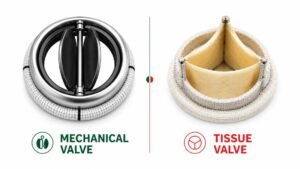
Mechanical vs Tissue Valve: Which Is Right for You?
Being told that you need a heart valve replacement often raises one question before any other: “Which…
Read Article →
Life After Heart Surgery: Recovery, Risks & What to Expect?
The surgery is done. The heart is beating. And now, sitting in a hospital ward…
Read Article →
Is Heart Valve Repair or Replacement a Major Surgery? – Dr. Dinesh Mittal
The aortic valve is one of four valves that control blood flow in the…
Read Article →
Aortic Valve Repair vs. Replacement: How Do They Differ?
Aortic valve repair and aortic valve replacement are two surgical procedures used to treat…
Read Article → WhatsApp