
Aortic and Mitral Valve Replacement Surgery in Delhi
Heart valve disease can quietly affect your daily life, causing breathlessness, fatigue, chest discomfort, or swelling. When medications are no longer enough, Aortic and Mitral Valve Replacement Surgery offers a safe and effective solution to restore healthy blood flow and protect your heart.
Also known as Heart valve replacement surgery, this procedure replaces a damaged valve with an artificial one, helping the heart pump efficiently again. When performed by an experienced specialist, patients often experience significant relief from symptoms and a marked improvement in quality of life.
Request a Consultation
What is Aortic and Mitral Valve Replacement Surgery?
The heart has four valves that control blood flow in the correct direction. If a valve becomes severely damaged, medicines alone may not be enough, and surgery becomes necessary.
Aortic and Mitral Valve Replacement Surgery involves removing the diseased valve and replacing it with an artificial valve. This may include:
- Aortic valve replacement
- Mitral valve replacement surgery in Delhi
- Or combined aortic and mitral valve replacement (double valve replacement) if both valves are affected
The replacement valve can be:
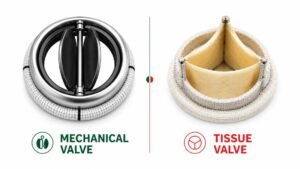
- Mechanical valve replacement surgery (long-lasting artificial valve)
- Biological valve replacement (made from animal tissue)
This procedure restores healthy circulation, reduces breathlessness and fatigue, and even prevents long-term heart damage.
Timely surgery helps prevent heart failure and significantly improves quality of life.
What is Mechanical Valve Replacement Surgery?
Choosing the right valve type is an important decision. During consultations about mechanical vs. biological valve replacement, your doctor will consider your age, lifestyle, and overall health.
Mechanical Valves:
- Extremely durable and can last a lifetime
- Often preferred for younger patients
- Require lifelong blood-thinning medication
- Need regular INR monitoring
Mechanical valves are known for their long-term reliability and durability.
Biological Valves:
- Usually do not require lifelong blood thinners
- May need replacement after 10–15 years
- Often preferred in older patients
Your surgeon will guide you toward the safest and most suitable option for your condition.
With expert guidance, you can choose the valve type that best balances durability, lifestyle needs, and long-term heart health.
What Happens During Combined (Double) Valve Replacement?
If both valves are severely damaged, they can be replaced in a single procedure called combined aortic and mitral valve replacement, also known as double valve replacement surgery.
The procedure includes:
- General anaesthesia
- Opening the chest to access the heart
- Use of a heart-lung machine (cardiopulmonary bypass)
- Removal of both damaged valves
- Implantation of prosthetic valves
Although recovery may take slightly longer than single valve surgery, most patients experience significant improvement in breathing, stamina, and daily functioning.
Patients looking for an experienced cardiac surgeon for complex valve procedures should prioritise expertise and advanced cardiac care facilities.
What is the Average Age for Heart Valve Replacement?
Many people think valve surgery is only for elderly patients. While Heart valve replacement surgery is very common between ages 60–80, younger patients may also require surgery due to:
- Congenital valve defects
- Rheumatic heart disease
- Early valve degeneration
The timing of surgery depends on symptoms, heart function, and overall health, not just age. Early intervention leads to better long-term results and prevents permanent heart damage.
What is the ICD-10 Code for Valve Replacement?
For insurance and hospital documentation, the ICD-10 code Z95.2 indicates the presence of a prosthetic heart valve after surgery. Proper coding ensures smooth insurance processing and the maintenance of medical records.
What is the cost of Aortic and Mitral Valve Replacement Surgery in Delhi?
The average cost of Aortic and Mitral Valve Replacement Surgery in Delhi generally ranges between ₹6,00,000 to ₹10,00,000.
The Valve replacement cost in Delhi varies and generally depends on:
- Type of valve used (mechanical or biological)
- Hospital infrastructure and ICU care
- Surgeon’s expertise
- Duration of hospital stay
- Medications and follow-up care
A personalised consultation provides a more accurate estimate based on individual needs.
Why Choose Dr. Dinesh Kumar Mittal for Aortic and Mitral Valve Replacement Surgery?
Choosing the right surgeon is one of the most important decisions for a successful valve replacement and long-term heart health. Dr. Dinesh Kumar Mittal combines expertise, advanced facilities, and personalised care to ensure the best possible outcomes for his patients.
Reasons to Choose Dr. Mittal:
- Specialised Expertise: Extensive experience in complex valve procedures, including single and double valve replacements.
- Advanced Cardiac Infrastructure: Surgeries performed in modern cardiac centres with fully equipped ICU facilities and advanced imaging support.
- Personalised Treatment Planning: Tailored care for each patient based on their age, valve condition, and lifestyle.
- Strong Surgical Outcomes: Proven track record in Heart valve disease treatment in Delhi with safe surgery and durable results.
Conclusion
Severe heart valve disease can affect everyday life; however, timely treatment can restore energy, comfort, and confidence.
Aortic and Mitral Valve Replacement Surgery in Delhi offers a safe and effective solution when performed by an experienced cardiac specialist. Understanding your treatment options, recovery journey, long-term care, and overall cost empowers you to make informed decisions.
Early consultation and timely intervention are crucial to prevent permanent heart damage, improve quality of life, and ensure a healthier, more active future. With expert care and follow-up, patients can look forward to a life with stronger heart function, increased stamina, and peace of mind.
Frequently Asked Questions
What is the Life expectancy after mitral valve replacement? expand_more
Life expectancy after mitral valve replacement is generally very positive. Most patients live 10–20 years or longer, especially when surgery is done before severe heart damage. Regular follow-ups and a heart-healthy lifestyle support long-term survival.
How is the Recovery after heart valve replacement surgery? expand_more
Recovery typically involves 5–7 days in the hospital with ICU monitoring, gradual walking, and breathing exercises. Most patients resume daily activities within 1–2 months with proper care and follow-up.
What should I know about mechanical vs. biological valve replacement in India? expand_more
Mechanical valves last longer but require lifelong blood thinners, while biological valves avoid long-term anticoagulants but may need replacement later. Your cardiologist will guide the best choice for your age and lifestyle.
How do I choose a hospital for double-valve replacement surgery in Delhi? expand_more
Look for experienced surgeons, advanced ICU facilities, transparent costs, and strong surgical outcomes. Delhi offers world-class cardiac care with personalised attention and comprehensive post-operative support.
What lifestyle changes are needed after heart valve replacement surgery? expand_more
Patients should follow a heart-healthy diet, exercise gently as advised, take medications on schedule, avoid smoking, and attend regular check-ups to ensure long-term heart health.

Dr. Dinesh Kumar Mittal's Content Team
Dr. Dinesh Kumar Mittal's medical content team specialises in creating accurate, clear, and patient-focused healthcare content. With strong clinical understanding and expertise in technical writing and SEO, the team translates complex medical information into reliable, accessible resources that support informed decisions and uphold Dr. Mittal's commitment to quality care.
This content is reviewed by Dr. Dinesh Kumar Mittal
Related Treatments

Minimally Invasive Cardiac Surgery in Delhi
Minimally invasive cardiac surgery (MICS) is heart surgery performed through small incisions between the ribs, without splitting the full breastbone. It…

Heart Valve Repair Surgery in Delhi – Dr. Dinesh Kumar Mittal
When your heart valves don’t work properly, it can affect how blood flows through your heart, leading to symptoms like…
Related Blogs
Mechanical vs Tissue Valve: Which Is Right for You?
Being told that you need a heart valve replacement often raises one question before any other: “Which…
Read Article →
Life After Heart Surgery: Recovery, Risks & What to Expect?
The surgery is done. The heart is beating. And now, sitting in a hospital ward…
Read Article →
Is Heart Valve Repair or Replacement a Major Surgery? – Dr. Dinesh Mittal
The aortic valve is one of four valves that control blood flow in the…
Read Article →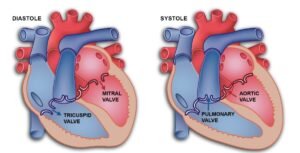
Aortic Valve Repair vs. Replacement: How Do They Differ?
Aortic valve repair and aortic valve replacement are two surgical procedures used to treat…
Read Article → WhatsApp