
PDA Ligation Surgery in Delhi
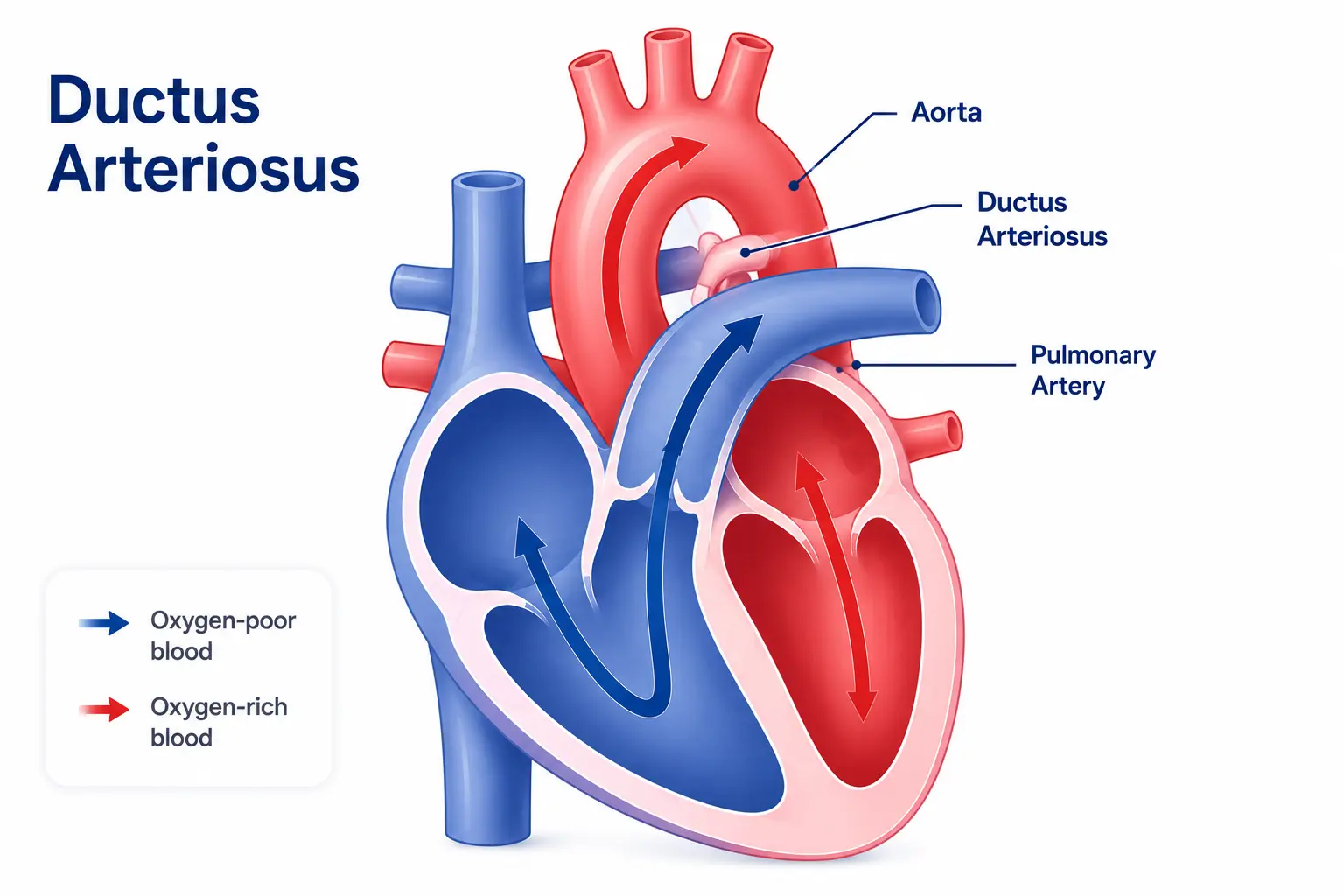
Patent ductus arteriosus (PDA) is one of the most common congenital heart defects, and for babies, children, or adults where the connection does not close on its own, PDA ligation surgery is a well-established way to correct it. For PDAs that are too large for catheter-based closure or for which device closure is not suitable, PDA ligation surgery in Delhi offers a direct and highly reliable solution.
Dr. Dinesh Kumar Mittal, Senior Cardiac and CTVS Surgeon at Fortis Hospital, Shalimar Bagh, Delhi, has over 25 years of experience in congenital cardiac surgery, including PDA ligation in neonates, infants, children, and adults, with a strong focus on safe, individualised surgical planning.
Request a Consultation
What Is PDA Ligation Surgery?
PDA ligation surgery is an open surgical procedure in which the surgeon ties off or clips the patent ductus arteriosus to permanently stop abnormal blood flow between the aorta and the pulmonary artery.
The procedure is performed through a small incision on the side of the chest, between the ribs (a thoracotomy), or in select cases through a minimally invasive thoracoscopic approach using a small camera. Unlike open-heart surgery, PDA ligation usually does not require stopping the heart or using a heart-lung bypass machine, since the surgeon works directly on the vessel from outside the heart.
When Is PDA Ligation Surgery Recommended?
PDA ligation is recommended when the ductus is too large, too short, or anatomically unsuitable for catheter-based device closure, or when the patient is a premature infant who cannot safely undergo catheter-based closure.
PDA Ligation Surgery is usually advised when:
- The PDA is large and causing symptoms of heart strain or poor growth
- The infant is premature, and medication (such as indomethacin or ibuprofen) has failed to close the PDA
- The ductus is too wide, too short, or an unusual shape for a closure device
- There is evidence of pulmonary hypertension developing due to excess blood flow to the lungs
- The patient has associated heart defects that require a combined surgical approach
Common symptoms of an unrepaired PDA include:
- Rapid or laboured breathing, even at rest
- Poor weight gain or feeding difficulty in infants
- Excessive sweating during feeding or crying
- Fast heart rate or a noticeable heart murmur
- Fatigue or breathlessness on exertion in older children and adults
If a paediatrician or cardiologist has identified a murmur or flagged a PDA on echocardiography, a specialist evaluation helps determine whether monitoring, medication, device closure, or surgery is the right next step.
PDA Ligation vs. Device Closure: What Is the Difference?
Understanding the differences between PDA ligation surgery and PDA device closure can help patients and families choose the most appropriate treatment option. Here’s a simple comparison of both procedures:
| Feature | PDA Ligation (Surgery) | PDA Device Closure (Catheter) |
| Type | Open surgical procedure | Minimally invasive, catheter-based |
| Access | Small chest incision | Vein in the groin, no incision |
| Best for | Premature infants, large or unusually shaped PDAs | Most children and adults with suitable anatomy |
| Hospital stay | 4-6 days | 1-2 days |
| Anaesthesia | General | Local or general |
The right approach depends on the size and shape of the PDA, the patient’s age and weight, and whether the ductus is suitable for closure with a device. This is confirmed through echocardiography and, in some cases, cardiac catheterisation before a final recommendation is made.
PDA Ligation Surgery: Procedure
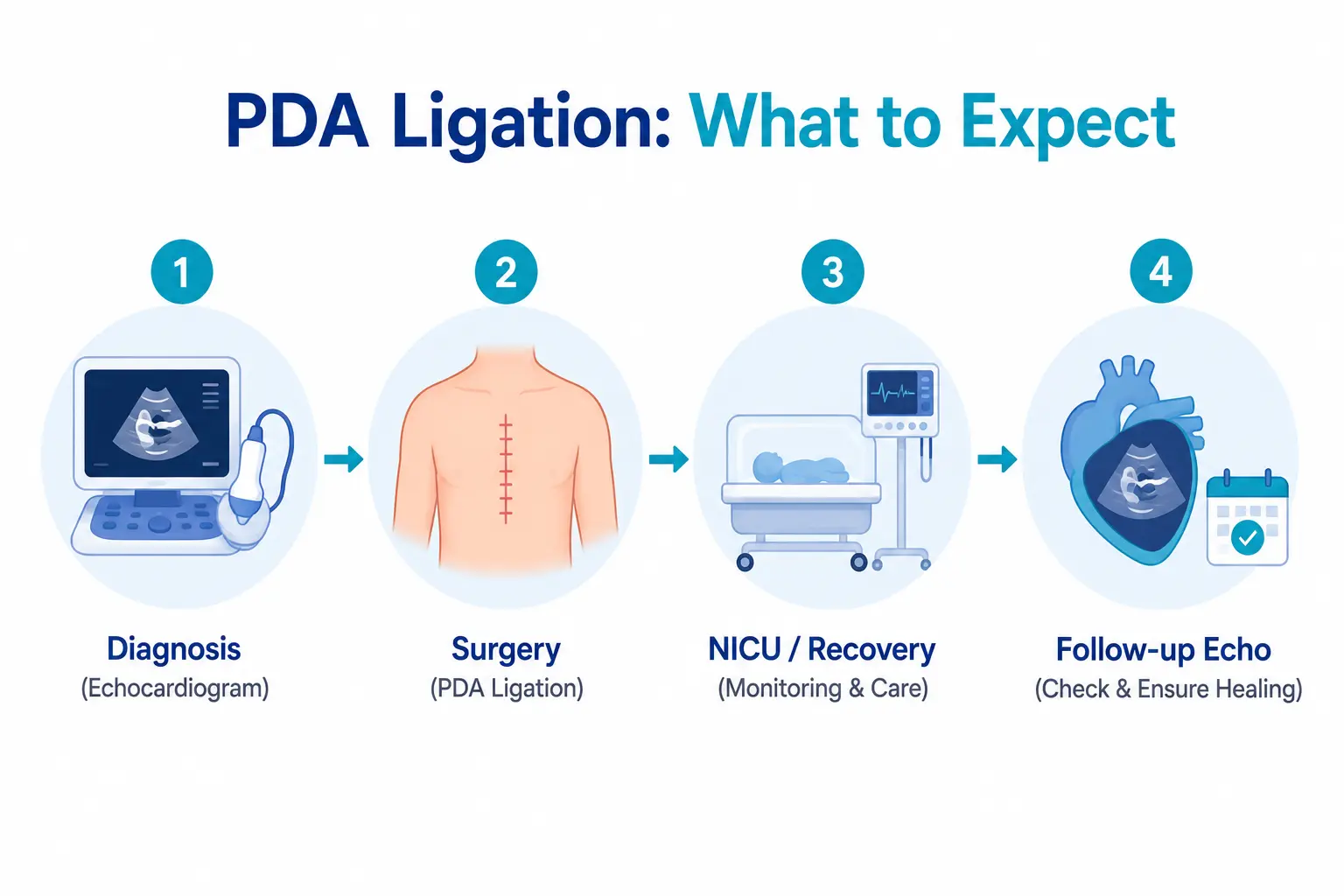
PDA ligation follows a structured, step-by-step surgical process designed to minimise risk and ensure complete closure of the vessel.
Step 1: Pre-operative Assessment
An echocardiogram confirms the size, shape, and location of the PDA. Chest X-ray, ECG, and blood tests assess overall fitness for surgery, particularly important in premature or low-birth-weight infants.
Step 2: Anaesthesia
The procedure is performed under general anaesthesia, with continuous monitoring of heart rate, oxygen levels, and blood pressure throughout.
Step 3: Chest Incision
A small incision is made on the left side of the chest, between the ribs, to access the area around the heart and great vessels without disturbing the breastbone.
Step 4: Locating and Closing the Ductus
The surgeon carefully identifies the ductus arteriosus and either ties it off with sutures or closes it using a small surgical clip, permanently stopping the abnormal blood flow.
Step 5: Confirmation and Closure
Blood flow is checked to confirm the ductus is fully sealed. The chest is then closed in layers, and the patient is moved to recovery for close monitoring.
Procedure duration: 45 minutes to 1.5 hours
Anaesthesia: General
Recovery After PDA Ligation Surgery
Recovery from PDA surgeryis generally steady, with most patients showing improved breathing and feeding within days of surgery.
- Newborns and premature infants typically stay in the NICU for close monitoring for several days
- Older children and adults usually spend 4 to 6 days in hospital
- A chest drain is placed temporarily and removed once drainage settles
- Pain is managed with medication; most children resume feeding within a day or two
- Full recovery and return to normal activity generally take 2 to 3 weeks
Post-procedure care includes:
- Follow-up echocardiogram to confirm the PDA remains fully closed
- Monitoring of growth and feeding in infants
- Gradual return to normal activity, avoiding strain on the chest incision for a few weeks
Risks of PDA Ligation Surgery
PDA ligation has a strong long-term safety record, but as with any surgical procedure, understanding the risks helps families make an informed decision.
- Bleeding: Minor bleeding at the surgical site, managed during the procedure
- Infection: Uncommon, reduced with preventive antibiotics
- Recurrent laryngeal nerve irritation: May cause temporary hoarseness or a weak cry in infants
- Incomplete closure: Rare; confirmed and ruled out with post-operative echocardiography
- Anaesthesia-related risks: Particularly relevant in premature or very low-birth-weight infants, closely managed by the anaesthesia team
Regular echocardiographic follow-up ensures that the ductus remains permanently closed and that the heart continues to function normally.
PDA Ligation Surgery Cost in Delhi
The cost of PDA ligation surgery in Delhi typically starts from ₹60,000 and varies depending on the patient’s age, weight, and overall condition.
| Factor | Approximate Cost Range (INR) |
| Pre-operative tests (Echo, ECG, blood work) | ₹5,000 – ₹15,000 |
| PDA Ligation Surgery (Term infant/child) | Decided after evaluation |
| PDA Ligation in Premature/Low-Birth-Weight Infant (NICU care) | Decided after evaluation |
| Follow-up echocardiogram and consultation | ₹2,000 – ₹4,500 per visit |
The cost depends on several factors, such as:
- Whether the patient is a premature infant requiring NICU support
- Length of hospital stay and level of post-operative monitoring needed
- Pre-operative investigations required
- Anaesthesia and operation theatre charges
- Associated heart defects requiring combined treatment
Most health insurance policies in India cover PDA ligation surgery as a documented congenital condition under inpatient hospitalisation benefits. Patients are advised to confirm coverage and request a personalised cost estimate before the procedure.
Why Choose Dr. Dinesh Kumar Mittal for PDA Ligation Surgery in Delhi?
Choosing an experienced paediatric cardiac surgeon is one of the most important decisions when planning Patent Ductus Arteriosus (PDA) treatment. Dr. Dinesh Kumar Mittal combines decades of expertise in congenital heart surgery with advanced surgical techniques and comprehensive cardiac care, offering personalised treatment for infants, children, and adults with PDA.
- 25+ years of cardiothoracic and vascular surgical experience, with specific expertise in congenital cardiac surgery
- MCh in Cardiothoracic Surgery from AIIMS, New Delhi, India’s highest post-graduate qualification in the field
- Pioneer of Neonatal Cardiac Surgery in North India, including PDA ligation in premature and low-birth-weight infants
- 10,000+ successful cardiac surgeries performed across all age groups
- Fellowship in Endovascular Stenting, Milan, Italy, adding expertise in both surgical and catheter-based approaches
- Access to a dedicated paediatric cardiac ICU, NICU support, and 24/7 emergency cardiac care at Fortis Hospital, Shalimar Bagh
- Transparent, honest treatment planning with no unnecessary intervention
Book a Consultation for PDA Ligation Surgery in Delhi
A timely consultation helps determine whether PDA surgery, catheter-based device closure, or careful monitoring is the most appropriate treatment option. During your evaluation, Dr. Dinesh Kumar Mittal will review your diagnostic reports, explain your treatment choices, and create a personalised care plan based on your condition and long-term heart health.
- Comprehensive review of your child’s (or your own) echocardiogram and diagnostic reports
- Clear explanation of whether surgery, device closure, or monitoring is the right approach
- Assessment of PDA size, associated risks, and the best timing for treatment
- Honest discussion of the procedure, recovery timeline, and expected outcomes
- Transparent, itemised cost estimate before any treatment decision is made
- Remote pre-travel assessment available for patients outside Delhi NCR
If your child has been diagnosed with a PDA, or an echocardiogram has raised concern, early specialist input helps avoid complications such as pulmonary hypertension or heart strain later on. Book a consultation to discuss the most appropriate treatment path.
Frequently Asked Questions
Is PDA ligation surgery safe for premature babies? expand_more
Yes. PDA ligation is routinely and safely performed in premature and low-birth-weight infants at specialist neonatal cardiac centres, particularly when medication has not closed the ductus and the baby is showing signs of heart or lung strain.
How long does recovery take after PDA ligation surgery? expand_more
Older children and adults are usually back to normal activity within 2 to 3 weeks. Premature infants may need a longer NICU stay depending on their overall health and birth weight.
Is PDA ligation the same as PDA device closure? expand_more
No. Device closure is a catheter-based procedure done through a vein in the groin, without any incision. Ligation is an open surgical procedure through a small chest incision, generally used when the PDA is not suitable for a device.
Will the PDA come back after surgery? expand_more
Recurrence after surgical ligation is very rare. Once the ductus is tied or clipped, closure is considered permanent, and this is confirmed on follow-up echocardiography.
How do I book a consultation with Dr. Dinesh Kumar Mittal? expand_more
You can book an appointment with Dr. Dinesh Kumar Mittal by contacting us directly or using the online appointment booking form here in the website

Dr. Dinesh Kumar Mittal's Content Team
Dr. Dinesh Kumar Mittal's medical content team specialises in creating accurate, clear, and patient-focused healthcare content. With strong clinical understanding and expertise in technical writing and SEO, the team translates complex medical information into reliable, accessible resources that support informed decisions and uphold Dr. Mittal's commitment to quality care.
This content is reviewed by Dr. Dinesh Kumar Mittal
Related Treatments

Congenital Cardiac Surgery in Delhi
Congenital Heart Disease (CHD) is a term for a range of heart defects present from birth. These defects affect the…
Paediatric Heart Surgery in Delhi
Paediatric heart surgery (also known as pediatric cardiac surgery) is the surgical treatment of structural heart problems that a child…
Related Blogs

Can Pediatric VSD Closure Prevent Future Heart Complications? – Dr. Dinesh Mittal
Pediatric Ventricular Septal Defects (VSDs) are common heart problems in children with unusual holes…
Read Article →
Is Adult VSD Closure a Viable Solution for Heart Problems? – Dr. Dinesh Mittal
Ventricular Septal Defects (VSDs) are common heart issues in adults, involving abnormal openings between…
Read Article →
What Are the Various Treatment Options Available for VSD? – Dr. Dinesh Mittal
Ventricular Septal Defects (VSDs) are common heart problems since birth, causing a hole in…
Read Article →
Congenital Heart Procedures Cost in Delhi | Dr. Dinesh Kumar Mittal – Dr. Dinesh Mittal
Cardiac wellness plays a vital role in giving heart patients more longevity and better…
Read Article →
Preparing for Tetralogy of Fallot Repair: What to Expect?
Tetralogy of Fallot is one of the most common congenital heart defects, accounting for…
Read Article →
What Are the Available Treatments for TAPVC?
In an anatomically normal heart, oxygenated blood from the lungs drains into the left…
Read Article → WhatsApp