
Ischaemic cardiomyopathy treatment in Delhi
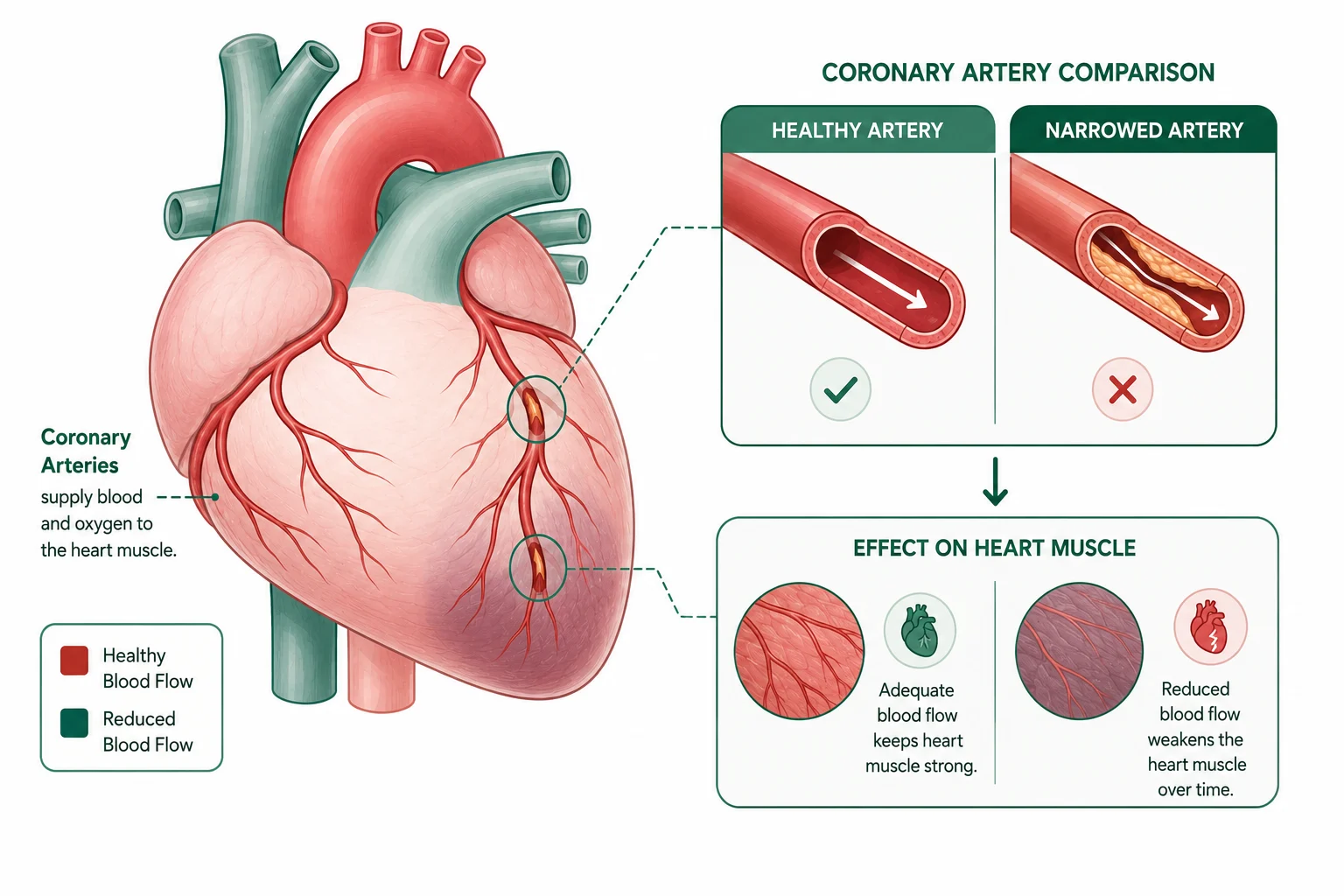
When the heart muscle becomes weak due to reduced blood supply, it may not pump blood as efficiently as it should. This condition is known as ischaemic cardiomyopathy, a form of heart muscle disease often caused by blocked or narrowed coronary arteries. Over time, reduced blood flow can damage the heart muscle, leading to symptoms such as fatigue, shortness of breath, leg swelling, or irregular heartbeats.
Seeking timely ischaemic cardiomyopathy treatment in Delhi is essential for controlling symptoms, improving heart function, and reducing the risk of complications such as heart failure. Early care can significantly impact long-term health and quality of life.
Dr. Dinesh Kumar Mittal, a senior cardiothoracic and vascular surgeon in Delhi with 25+ years of experience, offers a structured, personalised approach to ischaemic cardiomyopathy treatment, from diagnosis through to advanced interventional care.
Request a Consultation
What Is Ischaemic Cardiomyopathy?
Ischaemic cardiomyopathy is a condition in which the heart becomes weaker because it is not receiving enough oxygen-rich blood. This usually happens due to coronary artery disease, where the blood vessels supplying the heart become narrowed or blocked. Over time, this reduced blood flow can damage the heart muscle, making it less effective at pumping blood to the rest of the body.
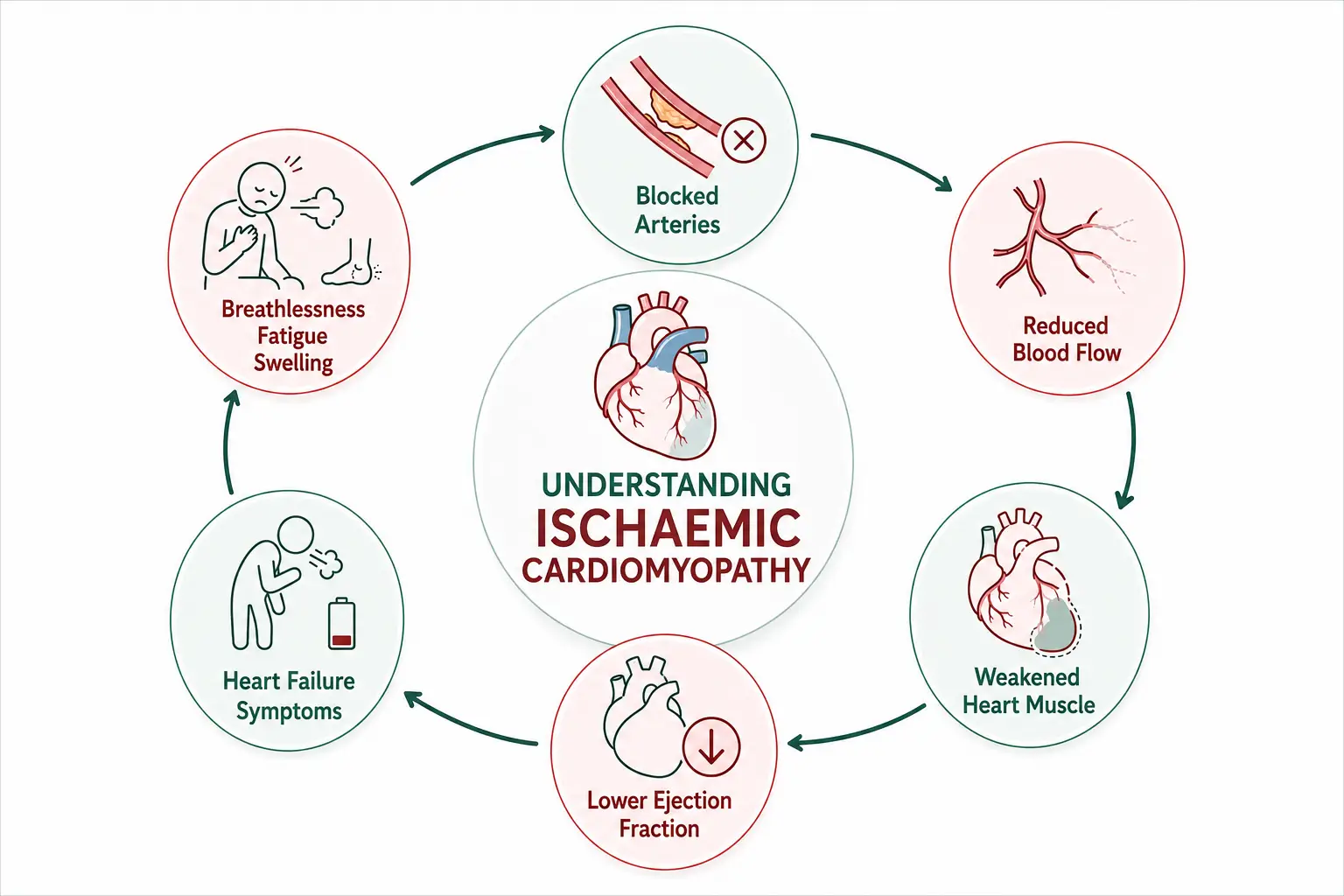
As the condition progresses, the heart’s pumping ability declines, leading to symptoms such as fatigue, breathlessness, and leg swelling. This type of problem is often described as heart muscle weakness, and it can affect daily activities and overall quality of life if not managed properly.
Timely diagnosis and the right ischaemic cardiomyopathy treatment can make a significant difference. Treatment plans are designed to improve blood flow to the heart, strengthen its function, and control symptoms. With proper care, lifestyle changes, and medical support, many patients are able to manage the condition effectively and reduce the risk of complications such as heart failure.
Ischaemic Cardiomyopathy Causes and Risk Factors
Understanding the underlying causes can help you take timely steps to protect your heart health. Ischaemic cardiomyopathy usually develops due to a combination of existing medical conditions and lifestyle factors. Recognising these risk factors early can help with timely intervention.
Factors include:
- Coronary artery disease or previous heart attacks
- High blood pressure
- Diabetes and high cholesterol
- Smoking and unhealthy lifestyle habits
- Obesity and lack of exercise
- Family history of heart disease
Identifying and managing these risk factors early is important in slowing the progression of ischaemic cardiomyopathy. Consulting the best heart surgeon can help prevent disease progression and manage risk factors effectively.
Ischaemic Cardiomyopathy Symptoms
Being aware of early symptoms can help you seek care before the condition becomes more serious. Symptoms may develop gradually and worsen if left untreated.
Common signs to watch for include:
- Shortness of breath, especially with physical activity
- Fatigue and reduced energy levels, even with routine tasks
- Swelling in legs, ankles, or feet
- Chest discomfort, pressure, or heaviness
- Irregular heartbeat or palpitations
Many of these symptoms are related to low ejection fraction (when the heart pumps out less blood than normal with each beat) and impaired heart function. Timely evaluation can help manage these symptoms effectively.
Diagnosis of Ischaemic Cardiomyopathy
Accurate diagnosis is crucial for planning the right treatment. A combination of clinical evaluation and advanced tests is often used; these are as follows:
- Electrocardiogram (ECG)
- Echocardiography (heart ultrasound) to assess ejection fraction
- Cardiac MRI or CT scan
- Stress testing
- Blood tests
- Coronary angiography to check for blocked arteries
A timely and thorough evaluation allows doctors to begin the right ischaemic cardiomyopathy treatment, helping manage symptoms and reduce the risk of complications. Getting checked early can make a significant difference in maintaining long-term heart health.
Ischaemic Cardiomyopathy Treatment Options in Delhi
The right treatment plan can help improve heart function and support a better quality of life. The aim of treatment is to restore blood flow, strengthen the heart, control symptoms, and prevent complications. Depending on the severity, doctors may recommend a combination of treatments.
Medications
Medication is often the first line of treatment that helps stabilise the condition. They may include:
- Drugs to control blood pressure
- Medicines to regulate heart rhythm
- Diuretics to reduce fluid buildup
- Medications to improve heart function
These form the foundation of managing heart failure and related symptoms.
Non-Surgical Management
For mild to moderate cases, non-surgical care can be highly effective in slowing disease progression:
- Lifestyle modifications, including a heart-healthy diet and supervised exercise
- Regular monitoring and follow-ups
- Weight management and cholesterol control
- Cardiac rehabilitation programs
Interventional Procedures
When there are significant blockages due to coronary artery disease, procedures may be needed to restore proper blood flow:
- Angioplasty to open narrowed or blocked arteries
- Coronary artery bypass surgery to restore blood flow
These treatments directly address the underlying cause of reduced blood supply to the heart.
Advanced Treatment Options
In more severe cases with significant heart muscle weakness, advanced therapies may be recommended:
- ICD implantation (implantable cardioverter defibrillator)
- CRT therapy (cardiac resynchronization therapy)
- Specialised heart failure management programs
These advanced options can help improve survival, enhance heart function, and support a better quality of life.
Ischaemic Cardiomyopathy Treatment Cost in Delhi
Understanding the cost in advance can help you plan your treatment with confidence. Treatment costs vary depending on severity, procedures, and hospital facilities.
Key factors include:
- Type and severity of cardiomyopathy
- Diagnostic tests required
- Medications or procedures involved
- Hospital expertise and facilities
On average, the cost of ischaemic cardiomyopathy treatment in Delhi may range from approximately ₹1,50,000 to ₹6,00,000 or more, depending on individual needs and treatment complexity.
Recovery After Ischaemic Cardiomyopathy Treatment and Long-Term Management
Ongoing care and healthy habits play an important role in keeping your heart stable over time. With timely treatment and regular follow-ups, many patients can manage ischaemic cardiomyopathy effectively and lead stable lives.
Benefits of proper care include:
- Improved heart function
- Reduced symptoms
- Lower risk of complications
- Better quality of life
Long-term management involves:
- Taking prescribed medications consistently
- Maintaining a heart-healthy lifestyle
- Regular monitoring and follow-ups with a specialist
- Recognising and addressing symptoms early
Staying consistent with your care plan can make a meaningful difference in how well your heart functions over time. Small, steady steps in managing your health can lead to long-term stability and a better quality of life.
Why Choose Dr. Dinesh Kumar Mittal for Ischaemic Cardiomyopathy Treatment in Delhi?
Managing ischaemic cardiomyopathy requires specialised expertise and personalised care. Dr. Dinesh Kumar Mittal is a trusted cardiologist known for effectively managing complex heart conditions and providing patient-centric care.
Reasons patients trust Dr. Dinesh Kumar Mittal:
- Experienced Cardiomyopathy Specialist in Delhi – Skilled in diagnosing and managing heart muscle diseases.
- Expert in Heart Failure Treatment in Delhi – Proficient in managing reduced heart function and low ejection fraction.
- Personalised and Comprehensive Care – Tailored treatment plans based on individual patient needs.
- Advanced Cardiac Procedures Expertise – Experience with angioplasty, bypass surgery, ICD implantation, and CRT therapy.
- Focus on Early Diagnosis and Prevention – Identifies risk factors to prevent disease progression.
- Patient-Centric Approach – Compassionate communication and long-term support for recovery.
- Associated with Leading Cardiac Care Centres – Access to modern diagnostic tools and advanced treatment facilities.
With Dr. Dinesh Kumar Mittal’s guidance, patients in Delhi can receive effective treatment for ischaemic cardiomyopathy, improving their heart health and quality of life.
Conclusion
Ischaemic cardiomyopathy is a serious but manageable heart condition when diagnosed early and treated appropriately. Patients in Delhi have access to experienced specialists, modern diagnostic tools, and advanced treatment options tailored to their needs.
Consulting a cardiomyopathy specialist, following the recommended treatment plan, and maintaining regular follow-ups can help reduce symptoms, prevent complications, and improve overall quality of life. With the right care and consistent management, many people can lead stable, active lives despite their condition.
Frequently Asked Questions
Is ischaemic cardiomyopathy reversible? expand_more
In some cases, heart function can improve with the right treatment, especially if blood flow is restored early. However, long-term management is usually required.
How serious is ischaemic cardiomyopathy? expand_more
It can be a serious condition if left untreated, as it may lead to heart failure. With timely treatment and regular care, many patients can manage it effectively.
What lifestyle changes help manage ischaemic cardiomyopathy? expand_more
A heart-healthy diet, regular exercise (as advised by your doctor), quitting smoking, limiting alcohol, and managing stress can significantly support treatment.
Who is the best heart surgeon for ischaemic cardiomyopathy treatment in Delhi? expand_more
Dr. Dinesh Kumar Mittal is one of the leading choice for ischaemic cardiomyopathy treatment in Delhi, with over 25 years of experience as a Cardiothoracic and Vascular Surgeon and 10,000+ cardiac surgeries performed.
How can I contact Dr. Dinesh Kumar Mittal for a consultation? expand_more
You can contact Dr. Dinesh Kumar Mittal by calling +91-98184 34656, messaging on WhatsApp, or booking an appointment directly through the website's online booking facility.

Dr. Dinesh Mittal's Medical Content Team
Dr. Dinesh Kumar Mittal’s medical content team creates clear, reliable, and patient-friendly healthcare information. With a strong understanding of medical concepts and experience in health writing and SEO, the team simplifies complex topics into easy-to-read content. Each resource is designed to help patients better understand their care options and make informed decisions, while aligning with Dr. Mittal’s commitment to quality and transparency in patient care.
This content is reviewed by Dr. Dinesh Kumar Mittal
 WhatsApp