
Radiofrequency Ablation in Delhi
Persistent pain caused by irritated nerves or abnormal electrical pathways can significantly affect quality of life and daily activities. For patients seeking advanced Radiofrequency Ablation in Delhi, Dr. Dinesh Mittal offers a precise, minimally invasive treatment that uses controlled radiofrequency energy to target the source of pain or abnormal tissue while preserving surrounding healthy structures.
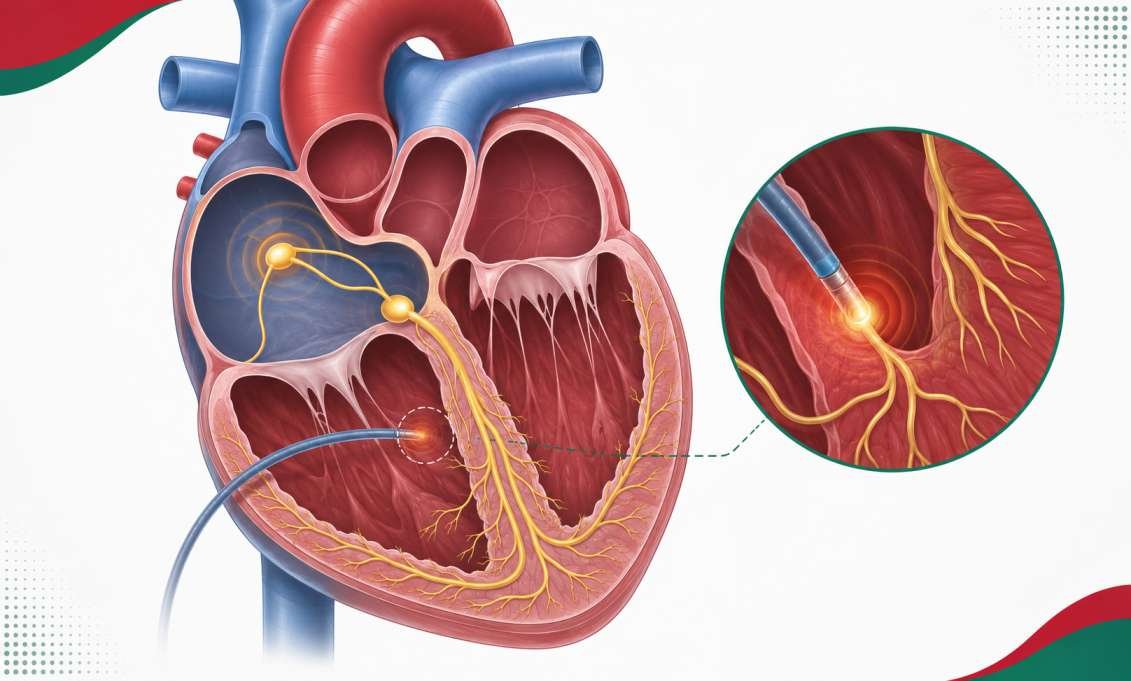
Widely recognised for its accuracy and effectiveness, Radiofrequency Ablation (RFA) Treatment is often recommended for chronic spine, neck, knee, and joint pain that has not responded to medications or physiotherapy.
Under the care of Dr. Dinesh Mittal, Senior Director & Head of Department at Fortis Hospital, Shalimar Bagh, Delhi, patients receive a personalised treatment approach focused on long-term pain relief, improved mobility, and enhanced quality of life
Request a Consultation
What is Radiofrequency Ablation and How Does It Work?
Radiofrequency ablation (RFA) is a medical procedure that uses heat generated by radiofrequency energy to target and destroy abnormal tissue or nerves responsible for pain or abnormal electrical signals.
The Radiofrequency Ablation Procedure works by:
- Inserting a thin needle or catheter into the affected area
- Delivering controlled heat to the targeted tissue
- Disrupting pain signals or abnormal electrical pathways
This minimally invasive RFA treatment approach is designed to be precise, safe, and effective, allowing patients to experience relief with minimal discomfort and a quicker recovery.
What Conditions Can Be Treated with Radiofrequency Ablation in Delhi?
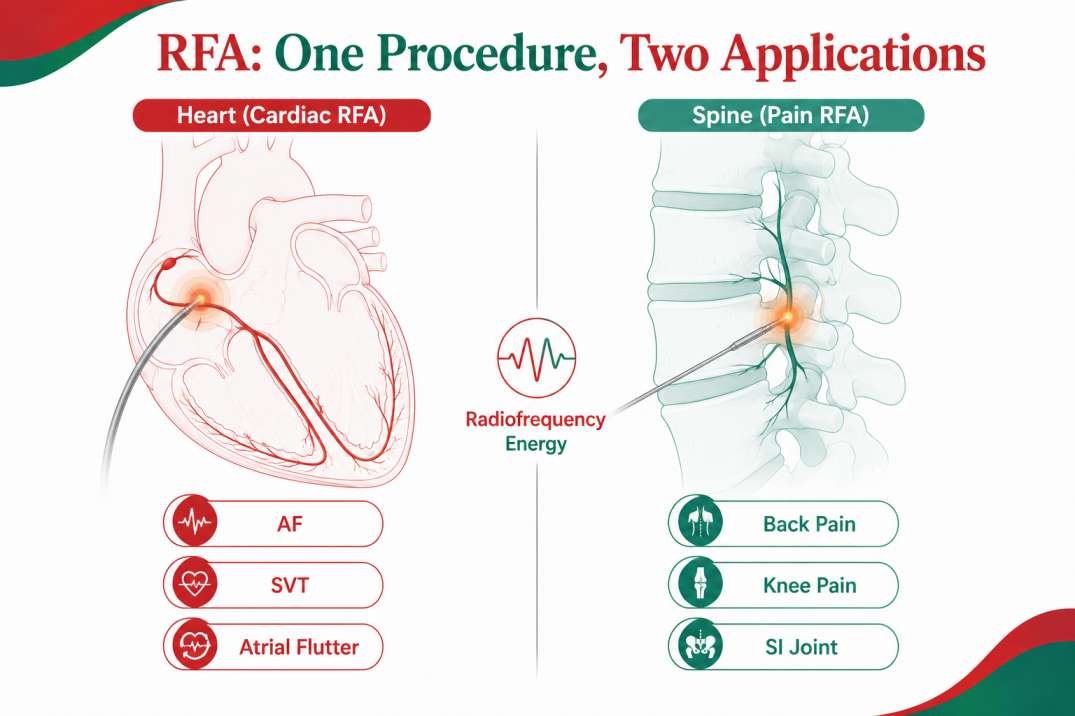
Radiofrequency ablation (RFA) is used across medical specialties to treat conditions in which abnormal signals or damaged nerves are causing symptoms. Doctors may recommend it when medications or other treatments are not providing enough relief.
1. Heart Rhythm Disorders
Radiofrequency ablation for heart arrhythmia is used to treat:
- Atrial fibrillation
- Supraventricular tachycardia (SVT)
- Other irregular heart rhythms
The procedure helps restore a more regular heartbeat by correcting faulty electrical pathways.
2. Chronic Pain Conditions
Radiofrequency ablation for pain management is effective for:
- Chronic back and neck pain
- Arthritis-related joint pain
- Nerve-related pain conditions
It works by blocking the pain signals from reaching the brain, providing lasting relief.
For many patients, RFA Therapy in Delhi offers a safe and minimally invasive way to manage these conditions without the need for major surgery. With the right guidance, this treatment can help improve comfort, mobility, and overall quality of life.
When is RFA Treatment Recommended?
Doctors may suggest RFA Treatment in Delhi when other treatment options are not giving the desired results or when a less invasive approach is more suitable. It is often considered in the following situations:
- Medications are not providing adequate relief
- Symptoms are persistent or worsening
- Surgery is not preferred or required
- A long-term, minimally invasive solution is needed
In such cases, RFA can offer targeted relief while allowing patients to recover faster and return to their normal activities sooner. Early evaluation and timely treatment can help prevent symptoms from affecting daily life.
Preparation for Radiofrequency Ablation Procedure
Proper preparation for a radiofrequency ablation procedure helps make the treatment safe, smooth, and effective. Your doctor will guide you through the process, which may include:
- Blood tests and imaging studies
- ECG or cardiac evaluation (for heart-related RFA)
- Avoiding food or drink for a few hours before the procedure
- Adjusting certain medications
Following these instructions carefully helps reduce risks and ensures the procedure goes as planned. Being well-prepared can make your treatment experience more comfortable and stress-free.
Procedure of Radiofrequency Ablation
Understanding the steps involved in the Radiofrequency Ablation Procedure can help you feel more confident.
1. Before the Procedure
- Usually performed under local anaesthesia or mild sedation
- The treatment area is carefully cleaned and prepared
2. During the Procedure
- A thin needle or catheter is gently inserted into the targeted area
- Imaging techniques like X-ray or ultrasound are used for accuracy
- Radiofrequency energy generates heat to treat the area
- The abnormal tissue or nerve is carefully destroyed
The procedure typically takes about 30 minutes to 2 hours, depending on the condition being treated.
3. After the Procedure
- You will be observed for a short period
- Most patients can go home the same day
- Mild soreness or discomfort may be felt for a short time
Recovery After RFA Treatment
One of the main advantages of this procedure is the relatively fast healing time. RFA Treatment recovery is generally smooth and does not require a long hospital stay.
- Most patients are discharged the same day or the next day
- Mild discomfort or soreness may be present for a few days
- Daily activities can be resumed gradually
In most cases, patients can return to their normal routine within a few days, with noticeable relief from their symptoms. Following your doctor’s advice can help ensure a comfortable and speedy recovery.
Risks and Complications of Radiofrequency Ablation
Radiofrequency ablation (RFA) is generally considered safe and well-tolerated. However, like any medical treatment, it is important to be aware of the possible risks and complications of radiofrequency ablation.
Some patients may experience:
- Mild swelling or pain at the insertion site
- Temporary numbness in the treated area
- Minor bleeding or bruising
- Infection (rare)
These effects are usually mild and settle within a short time with proper care. When performed by experienced specialists, serious complications are uncommon, making RFA a reliable treatment option.
Radiofrequency Ablation Cost in Delhi
The cost of radiofrequency ablation in Delhi is not fixed and depends on several factors related to your treatment and care. These may include:
- The type of procedure (such as cardiac or pain management)
- Hospital facilities and technology used
- Doctor’s experience and expertise
- Required diagnostic tests and medications
On average, the cost typically ranges from ₹80,000 to ₹2,50,000 or more, depending on the complexity of the case. Many hospitals also provide insurance support and cashless treatment options, making the procedure more accessible for patients.
Why Choose Dr. Dinesh Kumar Mittal for Radiofrequency Ablation in Delhi?
Choosing the right specialist is key to safe treatment and good outcomes, especially for heart-related procedures.
Dr Dinesh Kumar Mittal is a skilled cardiothoracic and vascular specialist with strong experience in treating heart rhythm disorders. He is known for performing Radiofrequency Ablation in Delhi using advanced, minimally invasive techniques.
Key Reasons to Choose Him:
- Experienced Care: Extensive background in cardiac procedures
- Expert in Arrhythmias: Skilled in managing complex heart conditions
- Patient-Focused Approach: Clear guidance and personalised treatment
- Modern Techniques: Minimally invasive methods for safer recovery
- Complete Care: Support from diagnosis to recovery
Patients trust him for effective Radiofrequency Ablation Treatment Delhi, ensuring better results and long-term heart health.
Book a Consultation for Radiofrequency Ablation in Delhi
Arrhythmias and chronic nerve pain rarely improve on their own. The longer an abnormal heart rhythm goes untreated, the greater the risk of complications, including stroke in the case of atrial fibrillation, where the risk increases significantly with time. Early specialist evaluation ensures an accurate diagnosis, a clear understanding of all treatment options, and a personalised plan matched to your specific condition.
During your consultation, Dr. Dinesh Kumar Mittal will provide:
- Full review of your cardiac history, symptoms, and existing investigation reports
- ECG, Holter, and echocardiography review or referral where required
- Assessment of arrhythmia type, frequency, and ablation candidacy
- Clear explanation of the RFA procedure, success rates, and what to expect
- Honest discussion of whether RFA, medication, or another approach is most appropriate for your case
- Transparent cost estimate and insurance guidance
Whether you have been referred by a cardiologist, or have been managing an arrhythmia or chronic pain condition for some time, a specialist opinion is the most important next step.
Frequently Asked Questions
Is radiofrequency ablation painful? expand_more
No, the procedure is usually performed under local anaesthesia or mild sedation, so patients experience minimal discomfort during treatment.
How successful is radiofrequency ablation treatment? expand_more
Radiofrequency ablation has a high success rate, especially for treating heart rhythm disorders and chronic pain conditions, with many patients experiencing long-term relief.
Do I need hospitalisation for RFA treatment? expand_more
Most RFA procedures are done on a day-care basis, meaning patients can go home the same day without the need for prolonged hospital stays.
Can radiofrequency ablation cure heart rhythm problems? expand_more
In many cases, RFA can effectively treat and control abnormal heart rhythms, significantly improving heart function and quality of life.
Is RFA used for back pain treatment in Delhi? expand_more
Yes, radiofrequency ablation is commonly used to treat chronic back and spine-related pain by targeting the nerves responsible for pain signals.

Dr. Dinesh Kumar Mittal's Content Team
Dr. Dinesh Kumar Mittal's medical content team specialises in creating accurate, clear, and patient-focused healthcare content. With strong clinical understanding and expertise in technical writing and SEO, the team translates complex medical information into reliable, accessible resources that support informed decisions and uphold Dr. Mittal's commitment to quality care.
This content is reviewed by Dr. Dinesh Kumar Mittal
 WhatsApp