
Rheumatic Heart Disease Treatment in Delhi
Rheumatic Heart Disease Treatment in Delhi is essential for patients affected by this preventable yet potentially life-threatening condition. It is the most common acquired heart condition in children and young adults across India, and one of the most preventable. Each episode of inflammation leaves behind lasting damage to the heart valves, particularly the mitral valve, causing them to gradually narrow, leak, or both.
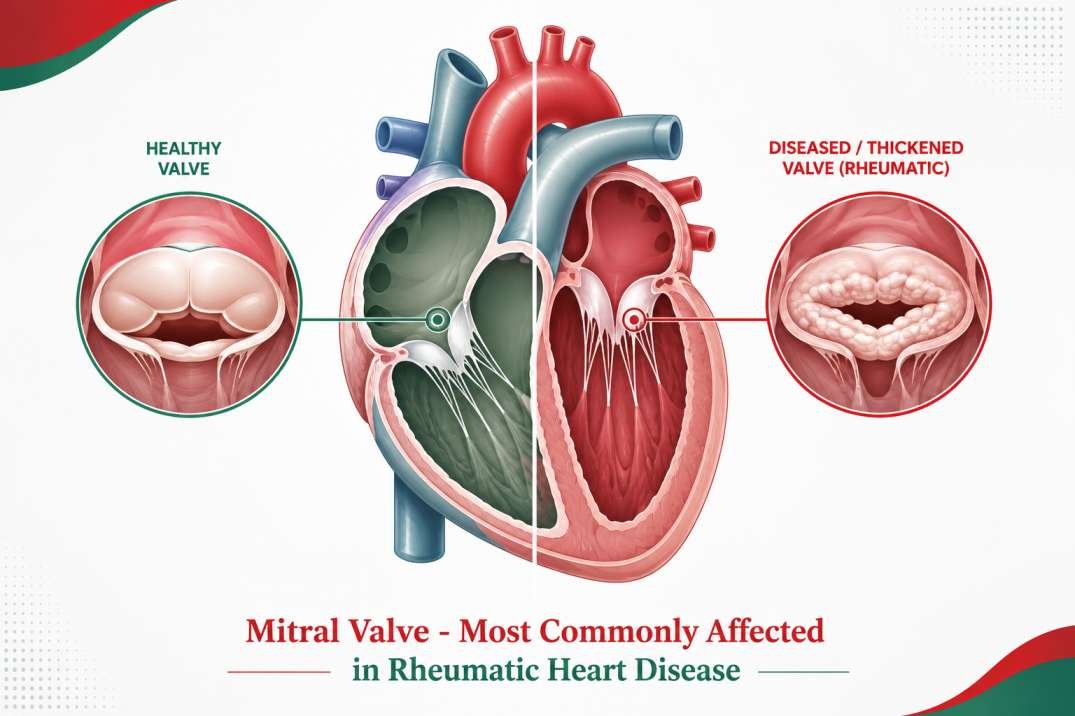
According to the World Health Organisation (2023), Rheumatic heart disease affects approximately 40.5 million people globally and is responsible for over 306,000 deaths per year, the overwhelming majority in low- and middle-income countries, with India carrying one of the highest national disease burdens. In Delhi and across northern India, it remains a leading cause of heart failure and the need for valve surgery in patients under the age of 40.
Dr. Dinesh Kumar Mittal, Senior Director and Head of Cardiothoracic and Vascular Surgery at Fortis Hospital, Shalimar Bagh, provides comprehensive rheumatic heart disease treatment in Delhi, from accurate diagnosis and medical management through to advanced heart valve repair and aortic and mitral valve replacement surgery, for patients across Delhi NCR and beyond.
Request a Consultation
What Is Rheumatic Heart Disease?
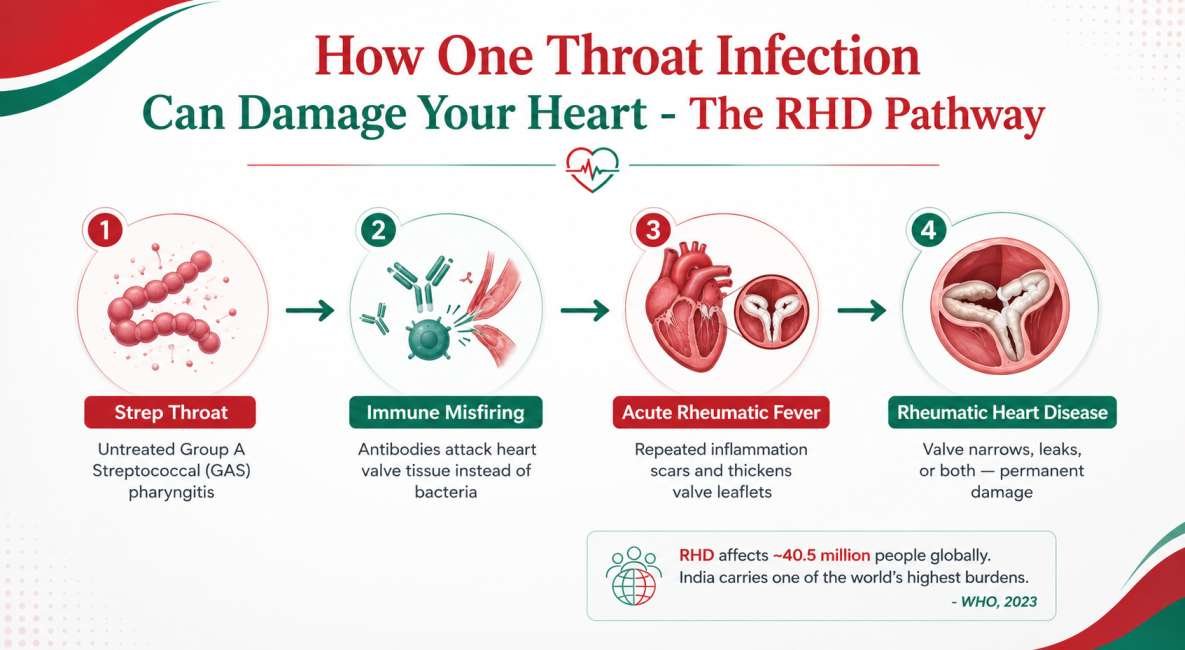
Rheumatic heart disease is permanent damage to one or more heart valves caused by rheumatic fever, an immune-mediated condition that follows a Group A Streptococcal (strep) throat infection. A single episode of rheumatic fever may cause mild valve changes. Repeated episodes cause progressive scarring and thickening of the valve leaflets, ultimately preventing them from opening and closing properly.
The mitral valve is involved in the vast majority of cases. The aortic valve may be affected alongside it, and in patients with a long history of repeated infections, the tricuspid valve can also be involved. Over time, the valve damage takes two distinct forms:
- Stenosis: The leaflets thicken and fuse together, narrowing the valve opening and obstructing blood flow through the heart
- Regurgitation: The valve fails to close fully, allowing blood to flow backward, progressively increasing the workload on the heart chambers
Chronic rheumatic heart disease develops when these changes worsen over years without adequate treatment or prevention. In advanced stages, complications including atrial fibrillation, heart failure, stroke, and infective endocarditis become significant risks.
Rheumatic Heart Disease Symptoms and Causes
Understanding rheumatic heart disease symptoms and causes together is the most useful starting point, because the disease progresses in a predictable sequence, and early recognition at any stage changes the outcome.
Causes and Risk Factors of Rheumatic Heart Disease
Rheumatic heart disease is caused by cumulative valve damage from one or more episodes of acute rheumatic fever, triggered by untreated Group A Streptococcal pharyngitis (strep throat). The immune system, attempting to fight the infection, produces antibodies that cross-react with heart valve tissue, causing inflammation.
Risk factors that increase susceptibility include:
- A childhood history of recurrent strep throat infections, particularly between the ages of 5 and 15
- Overcrowded living conditions where streptococcal infection spreads readily
- Limited access to timely antibiotic treatment
- A family history of rheumatic fever or RHD
- Pre-existing conditions that reduce immune resilience
Rheumatic Heart Disease Symptoms: How to Recognise Them?
Symptoms of rheumatic heart disease vary by the valve affected, the degree of damage, and how long the condition has been present. Many patients in the early stages feel well, which is why the condition is so often diagnosed late, and sometimes only after a serious complication such as atrial fibrillation or stroke.
Common symptoms that should prompt specialist evaluation include:
- Breathlessness on exertion, or at rest in advanced cases
- Fatigue and reduced tolerance for physical activity
- Palpitations or awareness of an irregular heartbeat
- Swelling of the ankles or legs (fluid retention)
- A heart murmur detected by a doctor during examination
- Chest tightness or discomfort
- Dizziness or episodes of fainting
- A history of stroke or TIA, particularly in a younger patient with no obvious cardiac risk factors
If you or a family member has a history of rheumatic fever, or a child has had recurrent strep throat infections accompanied by joint pain or fever, a cardiac evaluation is strongly advised even in the absence of symptoms.
When Should You See a Specialist for Rheumatic Heart Disease in Delhi?
Early consultation with the best cardiac specialist significantly changes the trajectory of rheumatic heart disease. Timely evaluation allows secondary prevention to begin, valve changes to be monitored, and surgery, if needed, to be planned before the condition worsens. See a specialist promptly if you:
- Have been told you have a heart murmur with a history of rheumatic fever
- Had repeated episodes of joint pain and fever as a child following a sore throat
- Experience unexplained breathlessness, palpitations, or ankle swelling
- Have an echocardiogram showing mitral or aortic valve thickening, stenosis, or regurgitation
- Are a young adult presenting with symptoms of heart failure
- Have been diagnosed with atrial fibrillation without a clearly identified cause
In many patients, the window for valve repair, which is preferable to replacement, closes as the disease advances. Early referral preserves more options.
How Is Rheumatic Heart Disease Diagnosed?
Rheumatic Heart Disease diagnosis is the essential first step before any rheumatic heart disease treatment plan can be formed. Diagnosis combines a detailed clinical history with targeted cardiac investigations, each providing different and complementary information.
| Diagnostic Test | What It Assesses |
| 2D Echocardiogram with Doppler | Gold-standard test; visualises valve structure, degree of stenosis or regurgitation, and heart chamber function, essential in every case of suspected RHD |
| Electrocardiogram (ECG) | Detects atrial fibrillation, chamber enlargement, and conduction changes |
| Chest X-Ray | Identifies heart size, cardiac silhouette, and signs of lung congestion from valve dysfunction |
| ASO Titre / Throat Culture | Confirms recent or past streptococcal infection |
| Blood Tests (CRP, ESR, CBC) | Assesses active inflammation, anaemia, and infection markers |
| Cardiac MRI | Provides detailed valve and myocardial assessment in selected complex cases |
| Cardiac Catheterisation | Used in advanced cases when surgical planning requires direct pressure measurement across the valve |
The echocardiogram is the single most important investigation for rheumatic heart disease. It should be performed in any patient with a known history of rheumatic fever, even if they feel completely well, to assess whether silent valve damage is already present.
Rheumatic Heart Disease Treatment Options in Delhi
Rheumatic heart disease treatment is matched to the severity of valve involvement, the patient’s symptoms, age, and overall cardiac function. Treatment follows a clear progression: prevention first, then medical management of symptoms, then surgical intervention when the valve damage is sufficiently severe.
1. Secondary Prophylaxis: Stopping Further Damage
The most critical and most commonly neglected step in chronic rheumatic heart disease treatment is preventing further streptococcal infections. Monthly intramuscular injections of benzathine penicillin G are the internationally recommended standard and are highly effective at halting disease progression.
As per rheumatic heart disease treatment guidelines from the World Heart Federation and Indian guidelines, prophylaxis should be continued until the age of 21, or for a minimum of ten years after the last episode of rheumatic fever — whichever period is longer. In patients with moderate to severe valve damage, prophylaxis is often recommended for life.
Adherence to this programme is directly associated with slower valve deterioration and reduced need for surgery.
2. Medical Management
Medication cannot reverse existing valve damage, but it plays a central role in managing symptoms and reducing the risk of serious complications:
- Diuretics: Reduce fluid retention and relieve breathlessness in patients with early heart failure
- Beta-blockers or rate-control agents: Manage heart rate in patients with atrial fibrillation
- Anticoagulation (warfarin or direct oral anticoagulants): Essential for patients with atrial fibrillation to reduce stroke risk, particularly important given that heart attack and thromboembolic events are both elevated in RHD with AF
- ACE inhibitors / ARBs: Support heart function in patients with significant valve regurgitation and left ventricular impairment
- Antibiotic prophylaxis before dental or invasive procedures: Reduces the risk of infective endocarditis on a damaged or prosthetic valve
3. Surgical Treatment for Rheumatic Heart Disease
When valve damage is severe enough to cause significant symptoms, or when the heart chambers are enlarging in response to the valve problem, surgery is the only definitive treatment option.
- Balloon Mitral Valvotomy (BMV): A catheter-based procedure available for selected patients with mitral stenosis whose valve has not yet become heavily calcified. A balloon is inflated across the narrowed valve to widen it, restoring blood flow without open-heart surgery. Recovery is rapid and outcomes are excellent in appropriately selected patients.
- Heart Valve Repair Surgery: Where the anatomy allows, repair is strongly preferred over replacement. Dr. Dinesh Kumar Mittal performs heart valve repair surgery that preserves the patient’s own valve tissue, avoids the need for lifelong anticoagulation, and is associated with superior long-term heart function compared to replacement.
- Heart Valve Replacement Surgery: When repair is no longer achievable, due to severe calcification, advanced leaflet destruction, or combined stenosis and regurgitation, aortic and mitral valve replacement surgery is performed. The diseased valve is replaced with either:
- A mechanical valve: Extremely durable, but requires lifelong anticoagulation with regular INR monitoring
- A bioprosthetic valve: Does not require long-term anticoagulation, but typically needs re-replacement after 15-20 years
Where atrial fibrillation coexists with valve disease, a concomitant surgical ablation procedure may be considered at the same time as valve surgery. Patients with coexisting coronary artery disease may require combined valve surgery and CABG.
Rheumatic Heart Disease Treatment Cost in Delhi
Rheumatic heart disease treatment cost in Delhi broadly starts from ₹1,00,000, depending on the stage of disease and the intervention required.
| Treatment | Estimated Cost (INR) |
| Echocardiogram + Diagnostic Workup | ₹3,000 – ₹10,000 |
| Balloon Mitral Valvotomy (BMV) | ₹1,00,000 – ₹1,80,000 |
| Heart Valve Repair Surgery | ₹2,50,000 – ₹4,50,000 |
| Mechanical Valve Replacement | ₹2,80,000 – ₹5,50,000 |
| Bioprosthetic Valve Replacement | ₹3,00,000 – ₹6,00,000 |
These are indicative ranges only. The final cost depends on the specific valve involved, the surgical complexity, the type of prosthetic valve selected, hospital room category, and duration of stay. Most health insurance policies in India cover rheumatic heart disease valve surgery as an inpatient procedure. Cashless hospitalisation may be available for eligible policyholders. A personalised written cost estimate is provided at consultation based on your specific diagnosis and treatment plan.
Why Patients Trust Dr. Dinesh Kumar Mittal for Rheumatic Heart Disease Treatment in Delhi
Managing rheumatic heart disease well requires more than performing a single operation. It demands a heart surgeon who understands the full arc of the disease, from the young patient with early mitral stenosis to the adult requiring redo valve surgery after a prior repair, and who can plan both the immediate procedure and long-term follow-up accordingly.
Patients across Delhi NCR trust Dr. Dinesh Kumar Mittal for rheumatic heart disease treatment because of:
- MCh in Cardiothoracic Surgery from AIIMS, New Delhi; India’s highest postgraduate qualification in the field
- Pioneer of Neonatal Cardiac Surgery and Aortic Intervention in North India
- 10,000+ successful cardiac surgeries, including complex and redo valve procedures for RHD
- Fellowship in Endovascular Stenting, Milan, Italy, extending expertise to catheter-based valve interventions including balloon mitral valvotomy
- Specialist in both valve repair and replacement, with a consistent preference for preserving the patient’s native valve wherever the anatomy permits
- Fortis Hospital, Shalimar Bagh, NABH-accredited, with dedicated cardiac ICUs, hybrid operating theatres, ECMO support, and 24/7 emergency cardiac care
His approach to rheumatic heart disease is comprehensive: every patient receives a thorough assessment of valve function, heart chamber dimensions, rhythm, and overall cardiovascular risk before any treatment decision is made.
Book a Consultation for Rheumatic Heart Disease Treatment in Delhi
Rheumatic heart disease progresses silently in many patients. Early consultation ensures timely secondary prophylaxis, appropriate monitoring, and, if surgery becomes necessary, intervention at the point when outcomes are best and more of the patient’s own valve can be preserved.
During your consultation, Dr. Dinesh Kumar Mittal will provide:
- Full clinical and cardiac history review, including prior episodes of rheumatic fever or strep throat
- Detailed interpretation of any existing echocardiogram or cardiac imaging reports
- Assessment of valve function, heart chamber dimensions, rhythm, and cardiovascular risk
- Clear explanation of all treatment options, prophylaxis, medical management, catheter-based intervention, or surgery
- Personalised treatment plan based on your valve anatomy, symptoms, age, and health profile
- Transparent discussion of expected outcomes, recovery timeline, and cost
If a murmur, breathlessness, or an abnormal echocardiogram has raised concern, the next step is to take the opinion of the best cardiac specialist, before the disease advances further.
Frequently Asked Questions
Can rheumatic heart disease be cured without surgery? expand_more
Existing valve damage cannot be reversed with medication. However, secondary prophylaxis with regular penicillin injections prevents further streptococcal infections and halts disease progression.
Which heart valve is most commonly affected in rheumatic heart disease? expand_more
The mitral valve is affected in the majority of rheumatic heart disease cases, either in isolation or alongside the aortic valve.
What is the difference between rheumatic fever and rheumatic heart disease? expand_more
Rheumatic fever is the acute inflammatory episode that follows streptococcal throat infection. Rheumatic heart disease is the long-term consequence, the permanent valve damage that accumulates over time as a result of one or more episodes of rheumatic fever.
When is surgery needed for rheumatic heart disease? expand_more
Surgery is considered when valve damage produces significant symptoms. The timing is an individual decision made after assessing symptoms, echocardiographic findings, and overall health.
How do I book a consultation with Dr. Dinesh Kumar Mittal? expand_more
You can book an appointment with Dr. Dinesh Kumar Mittal by contacting us directly on the contact number on the website, or through the online appointment facility form available here.

Dr. Dinesh Kumar Mittal's Content Team
Dr. Dinesh Kumar Mittal's medical content team specialises in creating accurate, clear, and patient-focused healthcare content. With strong clinical understanding and expertise in technical writing and SEO, the team translates complex medical information into reliable, accessible resources that support informed decisions and uphold Dr. Mittal's commitment to quality care.
This content is reviewed by Dr. Dinesh Kumar Mittal
Related Conditions

Heart Failure Treatment in Delhi
Heart failure does not mean the heart has stopped working; it means the heart is no longer pumping blood as…
Heart Valve Diseases
Aortic Stenosis Treatment in Delhi – Cardiac Care by Dr. Dinesh Kumar Mittal
Aortic stenosis is one of the most common and serious heart valve conditions, affecting thousands of patients across India each…
Related Blogs

Exercise Dos and Don’ts for People With Heart Disease
If you have been diagnosed with heart disease, one of the first questions you are…
Read Article →
Mechanical vs Tissue Valve: Which Is Right for You?
Being told that you need a heart valve replacement often raises one question before any other: “Which…
Read Article →
Life After Heart Surgery: Recovery, Risks & What to Expect?
The surgery is done. The heart is beating. And now, sitting in a hospital ward…
Read Article →
Is Heart Valve Repair or Replacement a Major Surgery? – Dr. Dinesh Mittal
The aortic valve is one of four valves that control blood flow in the…
Read Article →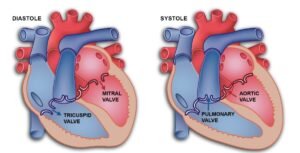
Aortic Valve Repair vs. Replacement: How Do They Differ?
Aortic valve repair and aortic valve replacement are two surgical procedures used to treat…
Read Article → WhatsApp