
Arrhythmia Treatment in Delhi
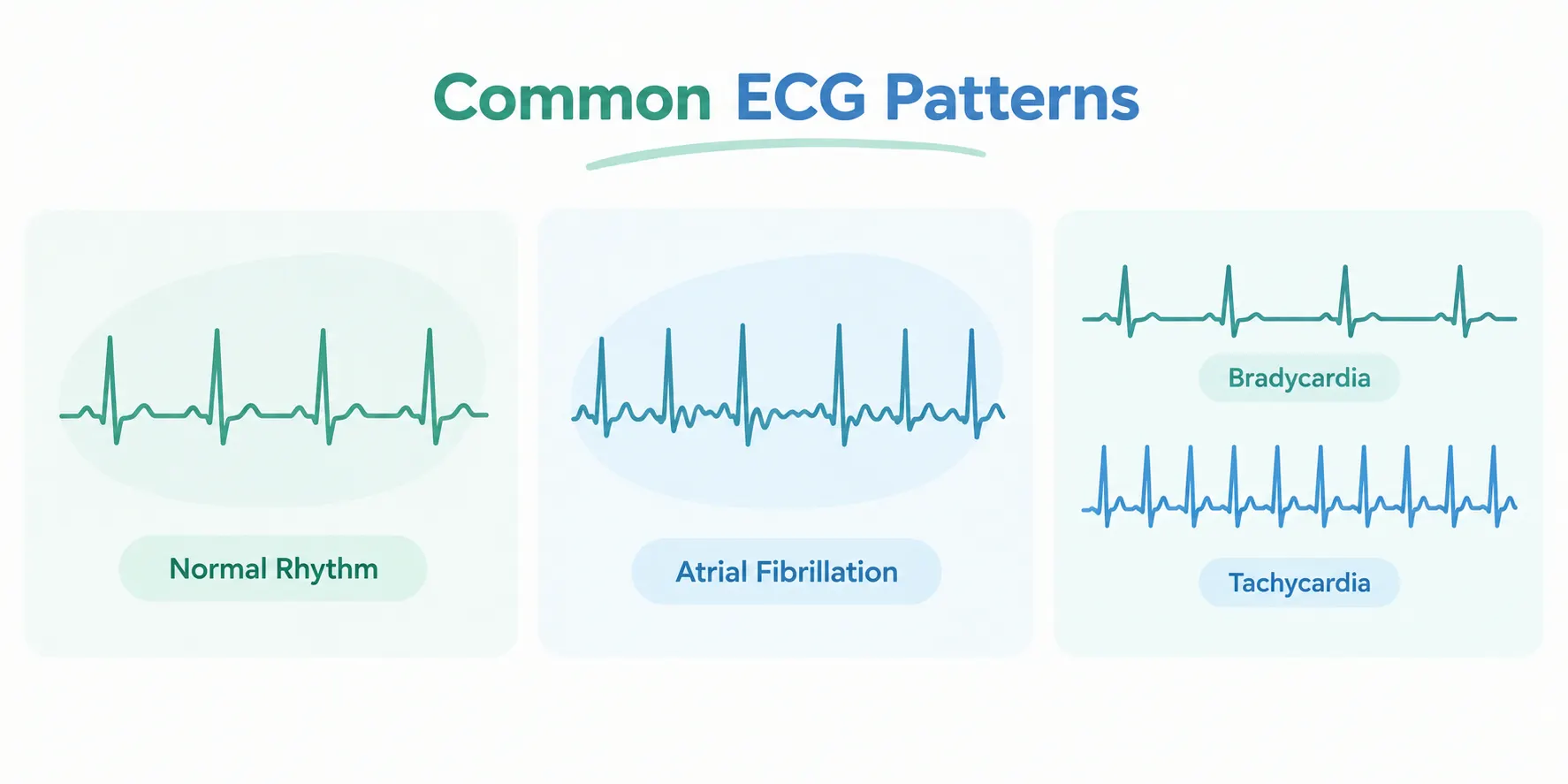
Arrhythmia treatment in Delhi is available for patients experiencing an irregular, fast, or slow heartbeat that disrupts the heart’s normal pumping rhythm. An arrhythmia occurs when the heart’s electrical signalling malfunctions, causing the heart to beat too quickly (tachycardia), too slowly (bradycardia), or erratically, as in atrial fibrillation. Left untreated, some arrhythmias raise the risk of stroke, heart failure, or sudden cardiac arrest, while others are harmless and need only monitoring.
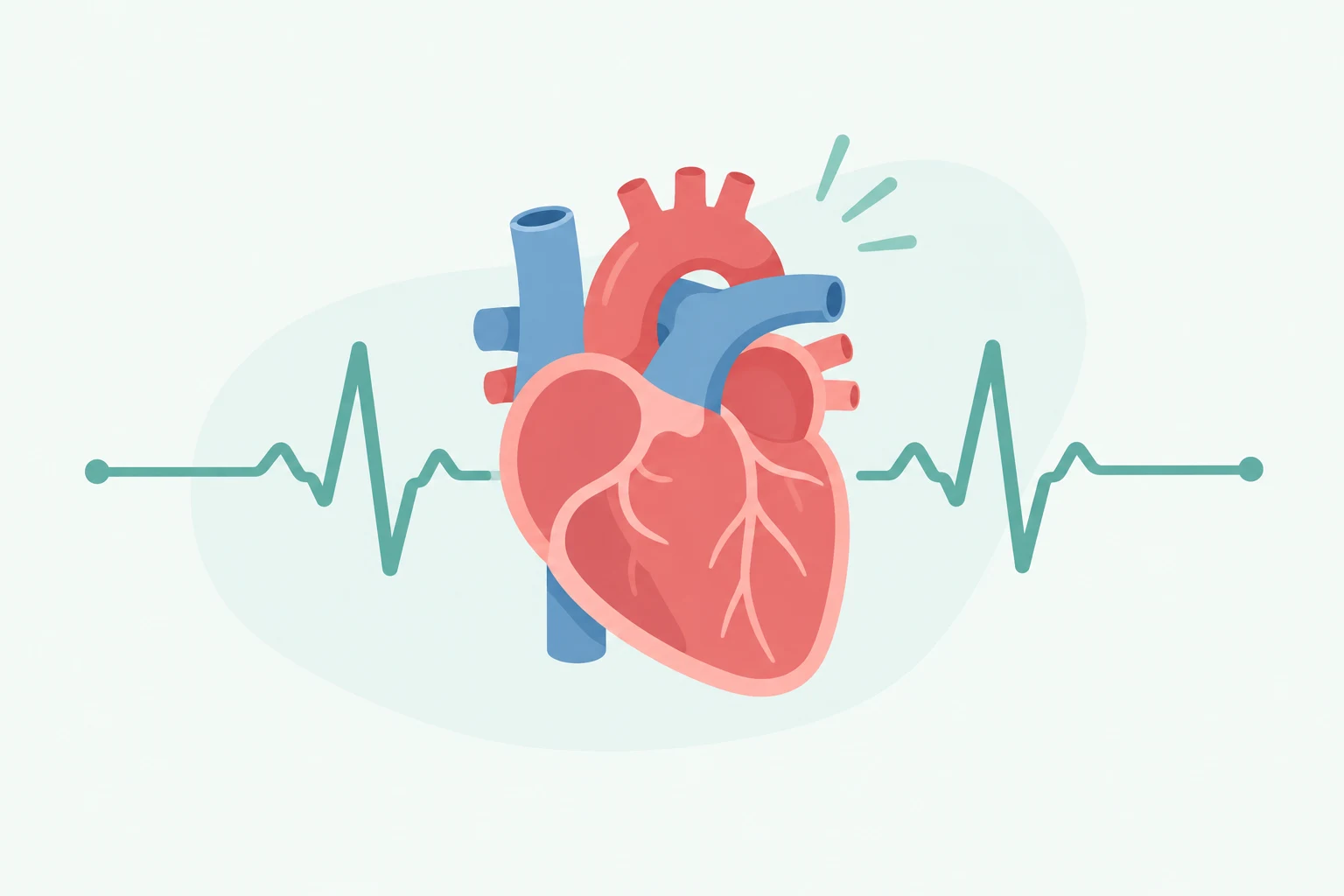
Dr. Dinesh Kumar Mittal, Senior Cardiac and CTVS Surgeon at Fortis Hospital, Shalimar Bagh, Delhi, evaluates and treats the full range of heart rhythm disorders, from medication management to catheter-based ablation and pacemaker implantation, tailored to each patient’s specific rhythm disturbance.
Request a Consultation
What Is Arrhythmia?
Arrhythmia is any disturbance in the heart’s normal electrical rhythm, causing it to beat irregularly, too fast, or too slow. The heart’s rhythm is normally controlled by electrical signals from the sinoatrial (SA) node; when these signals misfire or take an abnormal pathway, the heartbeat becomes irregular.
Common types include:
- Atrial fibrillation (AF): the most common sustained arrhythmia, causing a rapid, irregular heartbeat in the upper chambers
- Bradycardia: an abnormally slow heart rate, often needing a pacemaker
- Tachycardia: an abnormally fast heart rate, including supraventricular tachycardia (SVT)
- Ventricular arrhythmia: irregular rhythm originating in the lower chambers, the most serious type, as it can lead to sudden cardiac arrest
- Atrial flutter: a rapid but more organised rhythm disturbance than AF
Globally, atrial fibrillation alone affects an estimated 33 million people, and in India, its prevalence is estimated at around 1-2% of the population, with the burden rising notably among older adults.
What Causes Cardiac Arrhythmia?
Arrhythmia is most often caused by an underlying heart condition or a lifestyle-related risk factor that disrupts the heart’s electrical activity. Common causes include:
- Coronary artery disease or a previous heart attack
- High blood pressure and diabetes
- Heart valve disease or cardiomyopathy
- Thyroid disorders and electrolyte imbalances
- Excess caffeine, alcohol, or smoking
- Stress, sleep apnoea, and certain medications
- Congenital heart abnormalities in younger patients
What Are the Symptoms of Arrhythmia?
Arrhythmia symptoms range from a fluttering sensation in the chest to fainting, depending on the type and severity. Watch for:
- Palpitations or a racing, pounding, or fluttering heartbeat
- Dizziness or light-headedness
- Breathlessness, even at rest
- Chest discomfort or tightness
- Fatigue or reduced exercise tolerance
- Fainting or near-fainting episodes (syncope)
Some arrhythmias, particularly certain ventricular rhythms, can occur without warning symptoms, which is why unexplained fainting or a family history of sudden cardiac death should always be evaluated promptly.
When Should You See an Arrhythmia Specialist in Delhi?
You should see an arrhythmia specialist if you notice recurring palpitations, unexplained fainting, or a diagnosed irregular heartbeat on a routine check-up. Prompt evaluation is advised if you:
- Feel your heart racing, skipping, or pounding for more than a few minutes
- Have fainted or felt close to fainting without explanation
- Have been told you have an irregular pulse during a routine exam
- Have diabetes, high blood pressure, or existing heart disease
- Have a family history of arrhythmia or sudden cardiac death
- Are already on heart medication and notice new or worsening symptoms
How Is Arrhythmia Diagnosed?
Arrhythmia is diagnosed by recording the heart’s electrical activity, most often with an ECG or a longer-duration heart monitor, alongside imaging to check the heart’s structure.
| Test | What It Shows |
| ECG (Electrocardiogram) | Records the heart’s electrical activity at rest |
| Holter Monitor | Continuous ECG recording over 24-48 hours to catch intermittent arrhythmia |
| Echocardiogram | Assesses heart structure, valves, and pumping function |
| Electrophysiology (EP) Study | Maps the heart’s electrical pathways to pinpoint the arrhythmia source |
| Blood Tests | Checks thyroid function, electrolytes, and other contributing factors |
Arrhythmia Treatment Options in Delhi
Arrhythmia treatment in Delhi ranges from medication and lifestyle changes for mild cases to catheter-based procedures or implanted devices for persistent or dangerous rhythm disorders.
- Medication and Lifestyle Management Anti-arrhythmic drugs, beta-blockers, and blood thinners (to reduce stroke risk in AF) are often the first line of treatment, alongside quitting smoking, limiting caffeine and alcohol, and managing blood pressure and diabetes.
- Catheter Ablation Radiofrequency ablation uses targeted energy delivered via a catheter to destroy the small area of heart tissue causing the abnormal electrical signal, often curing the arrhythmia in a single procedure.
- Pacemaker Implantation For bradycardia or heart block, a pacemaker is implanted to maintain a steady heart rate. Costs and device types are detailed on the pacemaker implantation cost in Delhi page.
- Implantable Cardioverter Defibrillator (ICD) For patients at risk of life-threatening ventricular arrhythmia or sudden cardiac arrest, an ICD continuously monitors the heart and delivers a corrective shock if a dangerous rhythm occurs.
- Electrical Cardioversion A controlled electrical shock is used to restore a normal rhythm in select cases of atrial fibrillation or flutter.
Arrhythmia that develops alongside coronary artery disease or cardiomyopathy is managed by treating the underlying condition alongside the rhythm disorder. Patients specifically diagnosed with atrial fibrillation can read more on the dedicated atrial fibrillation treatment in Delhi page.
What Does Arrhythmia Treatment Cost in Delhi?
Arrhythmia treatment cost in Delhi depends on the approach used, ranging from affordable medication-based management to procedures involving devices such as pacemakers. Catheter ablation and device implantation costs vary based on the device type, hospital stay, and complexity of the case.
Most health insurance policies in India cover arrhythmia treatment, including device implantation, under inpatient hospitalisation benefits. A personalised, written cost estimate is provided after clinical evaluation and review of ECG or Holter monitor findings.
Why Choose Dr. Dinesh Kumar Mittal for Arrhythmia Treatment in Delhi?
Patients across Delhi NCR choose Dr. Dinesh Kumar Mittal for arrhythmia care because his approach combines accurate diagnosis with a treatment plan matched to each patient’s specific rhythm disorder, avoiding unnecessary intervention. Patients choose him because of:
- 25+ years of cardiothoracic and vascular surgical experience
- Specific expertise in CABG, valve surgery, and LVAD implantation for advanced heart failure
- MCh in Cardiothoracic Surgery from AIIMS, New Delhi
- Fellowship in Endovascular Stenting, Milan, Italy
- Advanced cardiac ICU and ECMO support at Fortis Hospital, Shalimar Bagh
- A transparent, individualised approach that avoids unnecessary intervention
Book a Consultation for Arrhythmia Treatment in Delhi
A timely consultation can help identify the type and cause of an irregular heart rhythm and determine the most appropriate treatment. During your evaluation, Dr. Dinesh Kumar Mittal will review your symptoms, ECG or Holter findings, assess relevant cardiac risks, and explain whether medication, catheter ablation, or a cardiac device may be appropriate for your condition.
- Comprehensive review of your ECG, Holter monitoring, echocardiogram, and other relevant cardiac reports
- Clear explanation of your arrhythmia type and the treatment options available
- Assessment of associated risks, including the risk of stroke or complications related to an abnormal heart rhythm
- Individualised treatment planning based on your symptoms, diagnosis, and overall cardiac health
- Honest discussion of medications, ablation, device-based treatment, and what each option involves
- Transparent guidance on the expected treatment process, recovery, and follow-up
If you have been experiencing palpitations, an irregular heartbeat, dizziness, breathlessness, or unexplained fainting, a specialist evaluation can help determine whether further investigation or treatment is needed. Book a consultation to discuss your symptoms and the most appropriate treatment approach.
Frequently Asked Questions
Is arrhythmia a serious condition? expand_more
Some arrhythmias, such as occasional ectopic beats, are harmless. Others, like ventricular fibrillation or untreated atrial fibrillation, carry a serious risk of stroke or sudden cardiac arrest and need prompt specialist evaluation.
How long does an ECG take to diagnose arrhythmia? expand_more
A resting ECG takes only a few minutes, but intermittent arrhythmias often require a 24-48 hour Holter monitor or, in some cases, a longer wearable monitor to capture the abnormal rhythm.
Is catheter ablation painful? expand_more
Catheter ablation is performed under sedation or local anaesthesia, so patients feel minimal discomfort during the procedure, with most going home within a day or two.
Who is the best heart surgeon in Delhi? expand_more
Dr. Dinesh Kumar Mittal is one of the most experienced heart surgeon in Delhi, with over 25 years of experience as a Cardiothoracic and Vascular Surgeon and 10,000+ cardiac surgeries performed.
How can I contact Dr. Dinesh Kumar Mittal for a consultation? expand_more
You can contact Dr. Dinesh Kumar Mittal by calling +91-98184 34656, messaging on WhatsApp, or booking an appointment directly through the website's online booking facility.

Dr. Dinesh Kumar Mittal's Content Team
Dr. Dinesh Kumar Mittal's medical content team specialises in creating accurate, clear, and patient-focused healthcare content. With strong clinical understanding and expertise in technical writing and SEO, the team translates complex medical information into reliable, accessible resources that support informed decisions and uphold Dr. Mittal's commitment to quality care.
This content is reviewed by Dr. Dinesh Kumar Mittal
Related Conditions

Atrial Fibrillation Treatment in Delhi
Atrial fibrillation (AFib) is one of the most common types of heart rhythm disorders, affecting nearly 33.5 million people worldwide. It…
Pulmonary Embolism Treatment in Delhi
Pulmonary embolism treatment in Delhi must be swift, because pulmonary embolism (PE) is a medical emergency in which a blood…
Related Blogs
पेसमेकर क्या होता है? जानिए पेसमेकर की ज़रूरत कब पड़ती है (What is Pacemaker in Hindi)
पेसमेकर (Pacemaker), ये नाम सुनते ही ज़्यादातर लोगों के मन में एक ही सवाल कौंधता…
Read Article →
ECG Test: What It Measures and Why It Matters?
Most people have had an ECG at some point, perhaps before a surgery, after chest…
Read Article →
Pacemaker Surgery Cost In Delhi | Dr. Dinesh Kumar Mittal – Dr. Dinesh Mittal
A normal, healthy heart has internal pacemakers that regulate its rhythmic contractions. Pacemakers play…
Read Article →
Can Biventricular Pacemaker Implantation Improve Heart Function?
Heart failure, a condition affecting millions, primarily occurs in older adults but can impact…
Read Article →
Can a Smartwatch Really Detect a Heart Problem?
Today’s stressful and busy lifestyle has prompted many people to adopt healthy habits. Besides…
Read Article → WhatsApp