
Heart Valve Disease Treatment in Delhi
While some damaged heart valves only need regular checks and medicines, some inevitably need surgery. The difference lies in how badly the valve is narrowed or leaking, and how well the heart is coping. If you are looking for heart valve disease treatment in Delhi, the first step is knowing which of these two situations you are in, and which signs mean it is time to act.
Dr. Dinesh Kumar Mittal, Head of Cardiothoracic and Vascular Surgery at Fortis Hospital, Shalimar Bagh, treats heart valve disease in adults and children, from valve repair and replacement to minimally invasive surgery.
This page explains what a heart valve is, how it fails, the symptoms to watch for, and how the problem is diagnosed. It then covers the various treatment options and how they are decided for an individual, and what the respective recovery timelines and cost look like for heart valve disease treatment in Delhi.
Request a Consultation
What Are Heart Valves?
A heart valve is a small flap of tissue sitting at the exit of each heart chamber. It ensures that the blood flows in a single direction inside the heart and does not backflow.
-
Think of the valve as a one-way door that opens in only one direction. Each valve has 2 or 3 flaps.
-
With each heart beat, the blood in a chamber puts pressure against the valve, the flaps push open, making way for the blood.
-
Blood flows into the next chamber.
-
The valve shuts behind it, stopping the blood from flowing back into the previous chamber.
There are four valves in heart:
-
Tricuspid valve (3 flaps)
-
Pulmonary valve (3 flaps)
-
Aortic valve (3 flaps)
-
Mitral valve (2 flaps)
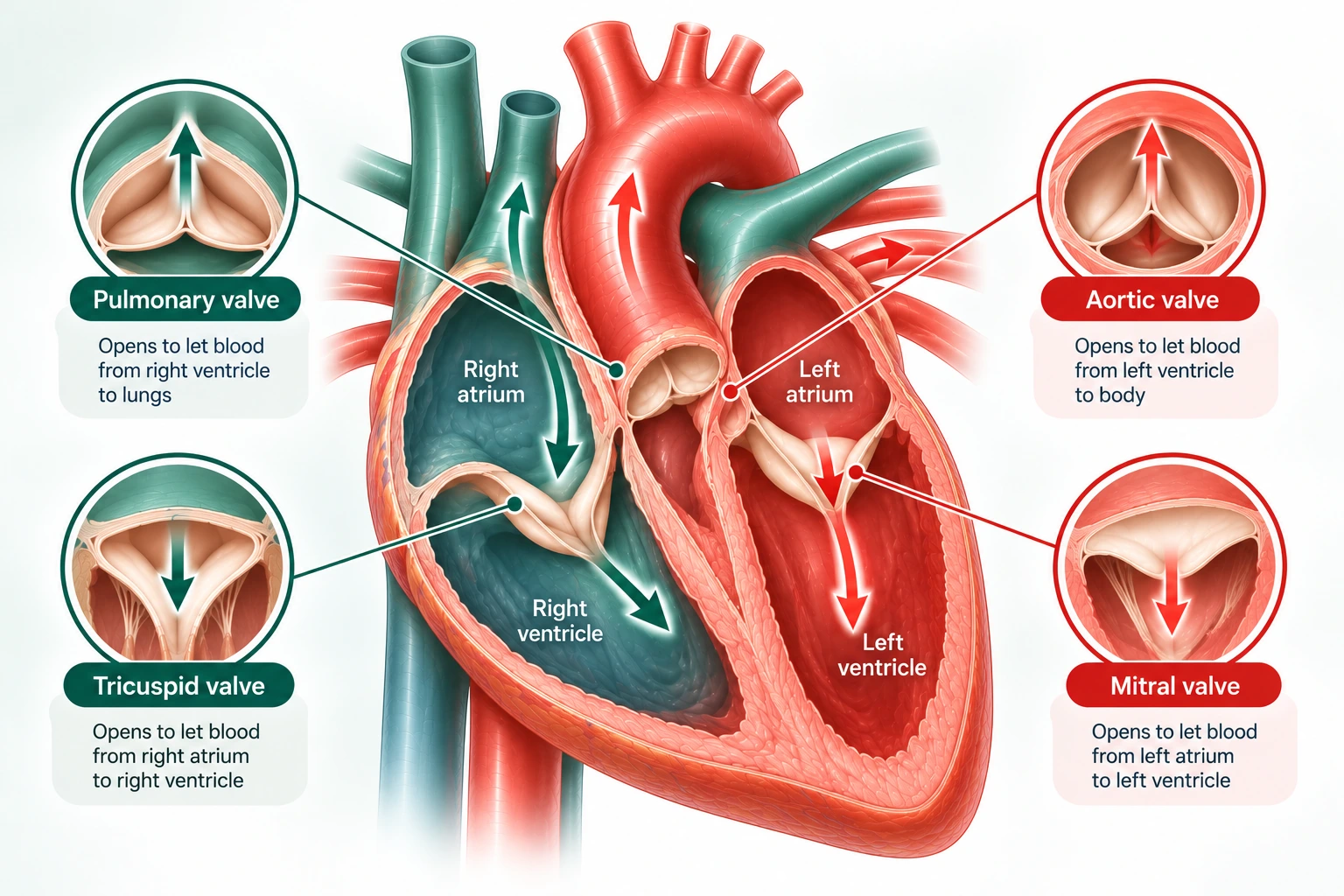
If even one of these valves stops working properly, the heart has to work harder to keep blood moving.
What Is Heart Valve Disease?
Heart valve disease (or valvular heart disease) is when one or more of the heart’s four valves no longer work properly. A valve primarily fails in two ways:
-
Stenosis: the valve becomes stiff and does not open fully; the heart has to push harder.
-
Regurgitation: the valve cannot close fully; blood leaks back; the heart has to pump the same blood twice.
Over time, this extra work thickens or stretches the heart muscle and can lead to heart failure. Catching it early keeps more treatment options open.
What Causes Heart Valve Disease?
The causes of heart valve disease can range from being congenital (defects present from the birth), due to an infection that damages the valve or its flaps, or because of weakening of the valve because of age. These causes can lead to stenosis or regurgitation, putting heart under additional pressure.
-
Ageing: calcium slowly settles on the flaps, mostly of the aortic valve, and makes them stiff. Calcific stenosis is now the most common cause of isolated aortic stenosis in the country. By one estimate, 2.5 to 3 lakh Indians may be living with aortic stenosis.
-
Birth defect: some people are born with an aortic valve that has two flaps instead of three. Such valves wear out sooner.
-
Valve infection (endocarditis): germs from the blood settle on a valve and eat into the flaps, so the valve leaks.
-
Rheumatic heart disease: In a small number of children, an untreated strep throat can lead to rheumatic fever, and over the years it can affect the valves.
India carries a very large share of the world’s rheumatic valve damage. Of the estimated 33 million people living with rheumatic heart disease worldwide, 13.2 million are in India, about 40% of the global total.
Heart Valve Disease Symptoms
The common symptoms of heart valve disease are breathlessness, tiredness, swelling in the feet and an uneven heartbeat. However, many people have no symptoms early on, and doctor may simply look for a murmur sound using a stethoscope.
-
Breathlessness while mild activity (sometimes even walking up to another room can cause breathlessness)
-
Weakness that does not go away with rest
-
Swelling in the feet and ankles
-
Racing heartbeat
-
Chest pain or tightness
-
Dizziness
Fainting, chest pain, or breathlessness that is getting worse need a check-up soon. Do not wait for the next routine visit.
Heart Valve Disease Diagnosis
An echocardiogram (echo) is the main test for diagnosing heart valve disease. It is a painless ultrasound of the heart and shows how wide the valve opens, how much it leaks and how well the heart is pumping.
The doctor also listens to the heart for a murmur using a stethoscope. Other diagnostic tests for heart valve diseases are:
-
ECG: Records the heart’s electrical activity to detect irregular rhythms.
-
Chest X-ray: Checks for an enlarged heart or fluid in the lungs.
-
Transoesophageal Echo (TEE): Uses a probe in the food pipe to get a clearer view of the heart valves.
-
CT Scan or MRI: Shows the aorta’s size, valve calcium, blood leakage, and heart muscle function.
-
Coronary Angiography: Uses dye and a thin tube to check for blockages in the heart’s arteries.
Together, these results show how badly the valve is damaged and how the heart is coping. That is what decides whether you need monitoring, medicines or a procedure.
Heart Valve Disease Treatment Options
Heart valve disease treatment ranges from medications, regular monitoring to surgical procedures that open, repair or replace the valve. Which treatment option is suitable depends on the valve affected and how damaged it is.
Can a damaged valve be Treated With Medicines?
Medicines can ease symptoms, but they cannot repair a damaged valve. For mild disease, regular echo checks and medicines (such as water pills or heart-rate control) are often enough.
A procedure is advised if the valve is severely damaged and causing symptoms, or if the heart has begun to enlarge or weaken.
|
Treatment |
What it does |
Usually suited for |
|
A balloon is inflated inside the valve to widen it; No chest incision. |
Narrowed mitral valve |
|
|
If the body’s natural valve can be saved, it is reshaped to improve its opening and closing. |
Leaking mitral valve |
|
|
Heart Valve Replacement |
Damaged valve is replaced with a mechanical or tissue valve. |
Valve too damaged to repair |
|
Minimally Invasive Valve Surgery |
Repairs or replaces the valve through smaller incisions. |
suitable for selected patients with mitral or aortic valve disease. |
|
TAVI (Transcatheter Aortic Valve Replacement) |
Place a new aortic valve inside the old one through an artery, usually in the groin. |
Aortic valve disease |
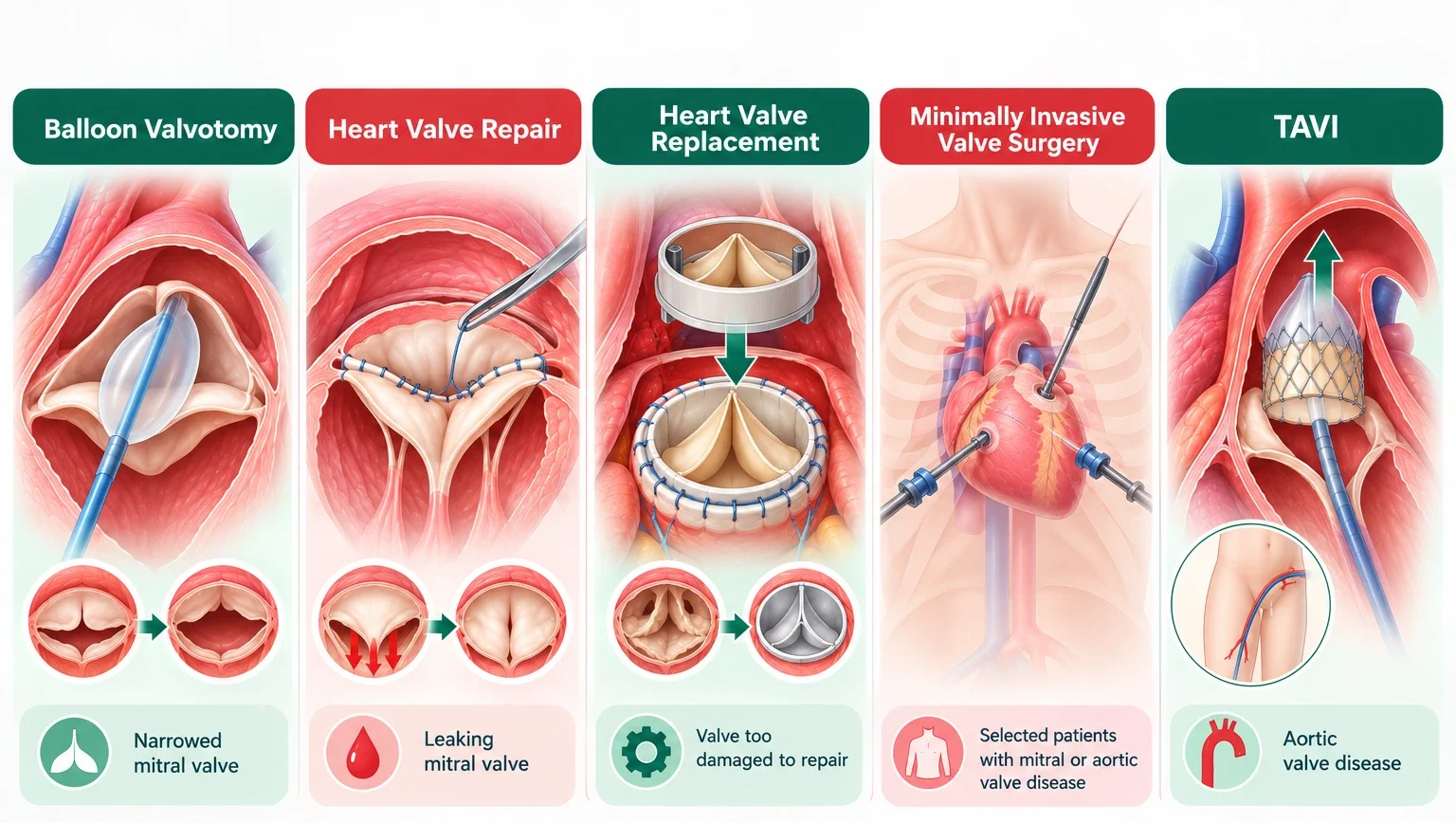
Which treatment option is best suited for what candidate is decided by the surgeon after proper evaluation, after weighing in the condition of the patient and other factors.
Recovery After Heart Valve Surgery
Recovery after heart valve surgery depends on the procedure. It can be a few days after a balloon valvotomy or TAVI, and two to three months after open surgery. Your age, how strong your heart is and any other illnesses also change the pace.
|
Treatment |
Hospital stay |
Back to routine |
|
Balloon valvotomy |
1 to 2 days |
About a week |
|
TAVI |
2 to 3 days |
1 to 2 weeks |
|
Minimally invasive valve surgery |
About 4 to 6 days |
4 to 6 weeks |
|
Open heart valve repair or replacement |
About a week |
2 to 3 months (the breastbone takes 6 to 8 weeks to heal) |
Whichever procedure you have, regular follow-up echo checks are part of recovery. With a mechanical valve, you also need regular INR blood tests for your blood thinner.
What Is the Cost of Heart Valve Treatment in Delhi?
Heart valve treatment in Delhi costs roughly Rs 3 lakh to Rs 7 lakh for surgery and Rs 15 lakh to Rs 25 lakh for TAVI.
|
Treatment |
Approximate cost (Delhi NCR) |
|
Balloon valvotomy |
Rs 70,000 to Rs 1.2 lakh |
|
Heart valve repair or replacement Cost in Delhi (open surgery) |
About Rs 3 lakh to Rs 7 lakh |
|
Minimally invasive valve surgery |
Rs 4 lakh to Rs 8 lakh |
|
TAVI |
Rs 15 lakh to Rs 25 lakh |
The final cost also depends on:
-
Number and type of valves
-
Type of treatment
-
Room category
-
Hospital stay
-
Extra procedures if any
-
Insurance coverage
These are market ranges, not a quote. Your cost becomes clear only after tests and a treatment plan.
Choosing the Right Surgeon for Heart Valve Disease Treatment in Delhi
Look for a surgeon who does both valve repair and valve replacement, works within a full cardiac team, and will say honestly when surgery can wait. At the same time, a surgeon who offers the full range can choose what is best for you.
Dr. Dinesh Kumar Mittal, Senior Director and Head of Cardiothoracic and Vascular Surgery at Fortis Hospital, Shalimar Bagh:
-
AIIMS-trained cardiothoracic and vascular surgeon
-
25+ years of experience
-
10,000+ adult, paediatric and neonatal cardiac surgeries
-
Performs valve repair, valve replacement, minimally invasive cardiac surgery and aortic root surgery
-
Operates on patients from newborns to older adults.
Treatment is only one part of managing heart valve disease. Regular follow-up visits, monitoring valve function, and taking prescribed medicines help track recovery and identify any changes early
Booking a Consultation for Heat Valve Disease Treatment in Delhi
A valve problem is worth getting assessed when a murmur has been picked up, an echo shows a narrowed or leaking valve, or breathlessness, swelling or tiredness is increasing. It also helps if surgery has been advised and you want to confirm it is needed.
Keep these ready:
-
Echo reports, newest first
-
ECG, chest X-ray, CT, MRI or angiography reports, if done
-
Current medicines and past hospital records
At Fortis Hospital, Shalimar Bagh, Dr. Dinesh Kumar Mittal goes through these along with your symptoms and examination, then explains whether the valve needs monitoring, medicines or a procedure, and when.

Dr. Dinesh kumar Mittal's Content Team
Dr. Dinesh Kumar Mittal’s medical content team creates clear, reliable, and patient-friendly healthcare information. With a strong understanding of medical concepts and experience in health writing and SEO, the team simplifies complex topics into easy-to-read content. Each resource is designed to help patients better understand their care options and make informed decisions, while aligning with Dr. Mittal’s commitment to quality and transparency in patient care.
This content is reviewed by Dr. Dinesh Kumar Mittal
Related Conditions

Heart Valve Diseases
Rheumatic Heart Disease Treatment in Delhi
Rheumatic Heart Disease Treatment in Delhi is essential for patients affected by this preventable yet potentially life-threatening condition. It is the…
Heart Failure Treatment in Delhi
Heart failure does not mean the heart has stopped working; it means the heart is no longer pumping blood as…
Aortic Stenosis Treatment in Delhi – Cardiac Care by Dr. Dinesh Kumar Mittal
Aortic stenosis is one of the most common and serious heart valve conditions, affecting thousands of patients across India each…
Related Blogs

Exercise Dos and Don’ts for People With Heart Disease
If you have been diagnosed with heart disease, one of the first questions you are…
Read Article →
Mechanical vs Tissue Valve: Which Is Right for You?
Being told that you need a heart valve replacement often raises one question before any other: “Which…
Read Article →
Life After Heart Surgery: Recovery, Risks & What to Expect?
The surgery is done. The heart is beating. And now, sitting in a hospital ward…
Read Article →
Is Heart Valve Repair or Replacement a Major Surgery? – Dr. Dinesh Mittal
The aortic valve is one of four valves that control blood flow in the…
Read Article →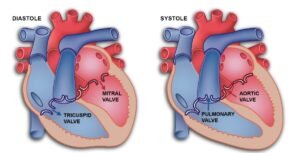
Aortic Valve Repair vs. Replacement: How Do They Differ?
Aortic valve repair and aortic valve replacement are two surgical procedures used to treat…
Read Article → WhatsApp