
Heart Failure Treatment in Delhi
Heart failure does not mean the heart has stopped working; it means the heart is no longer pumping blood as efficiently as the body needs. Indian studies estimate that between 1.3 and 4.6 million people live with heart failure nationally, with an annual incidence of roughly 490,000 to 1.8 million new cases, and Indian patients tend to develop the condition 10 to 15 years earlier than patients in Western countries (Indian Journal of Medical Research, 2023).
Heart failure treatment in Delhi, when guided by an experienced cardiac and vascular surgeon, can ease symptoms, slow disease progression, and in many cases restore a good quality of life through a combination of medication, device therapy, and, where indicated, surgery.
Dr. Dinesh Kumar Mittal, Director and Head of Cardiothoracic and Vascular Surgery at Fortis Hospital, Shalimar Bagh, provides comprehensive heart failure treatment for patients across Delhi NCR, with particular expertise in the surgical causes and consequences of heart failure, including coronary artery disease, valve dysfunction, and advanced mechanical circulatory support.
Request a Consultation
What Is Heart Failure?
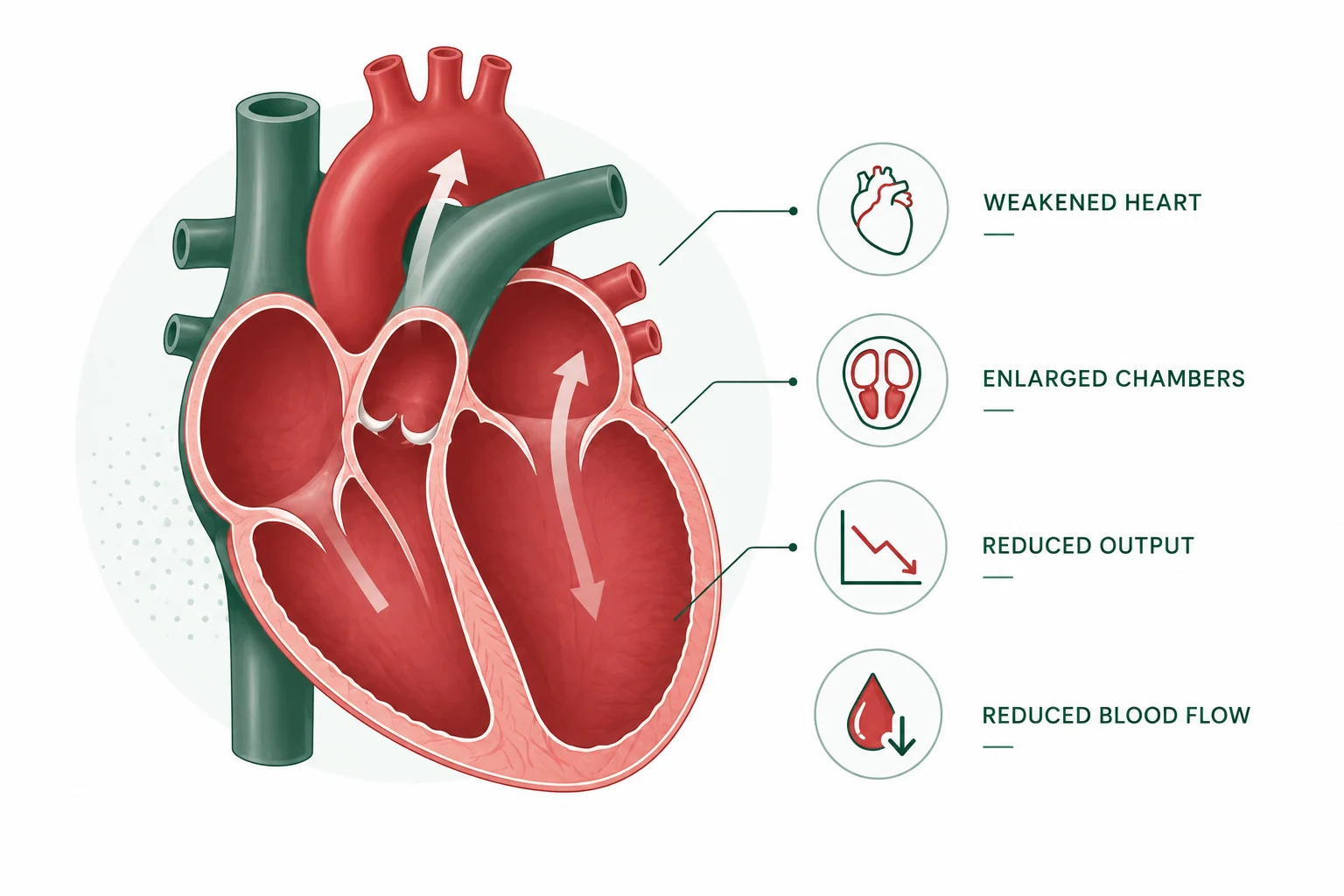
Heart failure is a condition in which the heart muscle becomes too weak or too stiff to pump enough blood to meet the body’s demands, causing blood and fluid to back up in the lungs, legs, and other organs.
It can affect the left side of the heart, the right side, or both, and doctors classify it further by ejection fraction, the percentage of blood pumped out of the heart with each beat. Heart failure with reduced ejection fraction (HFrEF) means the heart muscle has weakened, while heart failure with preserved ejection fraction (HFpEF) means the heart pumps normally but has become too stiff to fill properly.
Common underlying heart failure causes include:
- Coronary artery disease and a previous heart attack, which damages heart muscle
- Long-standing high blood pressure, which thickens and stiffens the heart wall
- Heart valve disease, which forces the heart to work harder
- Cardiomyopathy, a primary disease of the heart muscle itself
- Congenital heart defects left untreated into adulthood
- Arrhythmias such as atrial fibrillation, which reduce pumping efficiency
Since coronary artery disease and ischaemic cardiomyopathy are among the leading causes of heart failure in India, patients are usually evaluated for blocked arteries as part of their heart failure work-up.
What Are the Warning Signs of Heart Failure?
The earliest signs of heart failure are breathlessness on exertion, unusual tiredness, and swelling in the ankles or legs, and these symptoms often develop gradually enough to be dismissed as ageing or lack of fitness.
Other symptoms to watch for include:
- Breathlessness while lying flat, or waking up gasping for air
- Rapid or irregular heartbeat
- Persistent cough or wheeze, sometimes with pink-tinged mucus
- Sudden weight gain from fluid retention
- Reduced appetite, nausea, or a bloated abdomen
- Difficulty concentrating or reduced alertness
These symptoms can worsen gradually or appear as a sudden crisis, sometimes following a heart attack or an untreated heart valve problem, which is why early evaluation matters even when symptoms seem mild.
When Should You See a Heart Failure Specialist in Delhi?
You should see a heart failure specialist promptly if breathlessness, leg swelling, or fatigue is limiting your daily activities, or if you have known heart disease and your symptoms are getting worse.
Specific situations that call for urgent specialist review include:
- Breathlessness that now occurs at rest, or wakes you at night
- Rapid weight gain of 2 kg or more within two to three days
- Swelling that is spreading up from the ankles to the legs or abdomen
- A known history of heart attack, valve disease, or cardiomyopathy with new symptoms
- Diabetes or long-standing hypertension alongside breathlessness or fatigue
- Chest discomfort accompanying breathlessness, which needs immediate assessment
Delaying evaluation allows fluid overload and heart muscle damage to progress, often turning a manageable condition into a hospital admission.
How Is Heart Failure Diagnosed?
Heart failure is diagnosed through a combination of clinical examination, blood tests, and imaging that assess how well the heart is pumping and what is causing the weakness.
| Test | What It Measures | When It Is Used |
| Echocardiogram (Echo) | Ejection fraction, chamber size, valve function | First-line test for every suspected heart failure case |
| NT-proBNP / BNP Blood Test | Hormone levels that rise when the heart is under strain | Confirms or rules out heart failure, tracks severity |
| ECG | Heart rhythm and evidence of prior heart attack | Routine at every assessment |
| Chest X-ray | Fluid in the lungs, heart size | Assesses congestion and heart enlargement |
| Coronary Angiography / CT Angiography | Blockages in the coronary arteries | When coronary artery disease is a suspected cause |
| Cardiac MRI | Detailed muscle structure and scarring | Used in cardiomyopathy or unclear diagnoses |
| 6-Minute Walk Test | Functional exercise capacity | Assesses severity and monitors treatment response |
An echocardiogram is usually the single most useful test, as it identifies both the severity of heart failure and, often, its underlying cause in one non-invasive scan.
Heart Failure Treatment Options in Delhi
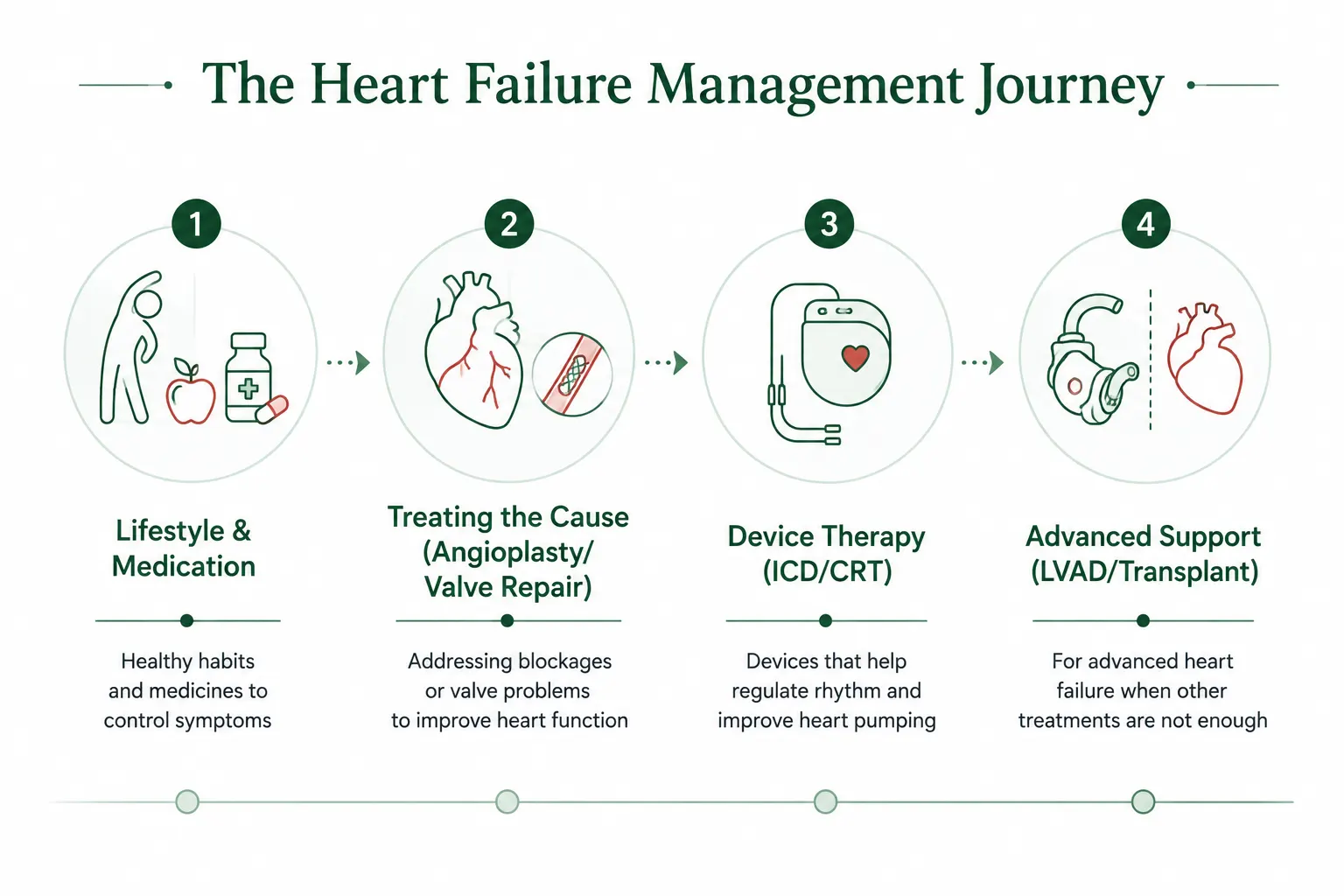
Heart failure treatment is tailored to the underlying cause, the ejection fraction, and how advanced the condition is, ranging from medication and lifestyle changes through to devices and surgery.
Medical Management
Most patients with early to moderate heart failure are managed with a combination of guideline-directed medications: ACE inhibitors or ARNIs, beta-blockers, mineralocorticoid receptor antagonists, and SGLT2 inhibitors, alongside diuretics to control fluid retention. Salt restriction, fluid monitoring, and supervised physical activity support these medications.
Treating the Underlying Cause
Where heart failure results from blocked coronary arteries, restoring blood flow through coronary angioplasty, stenting, or CABG surgery can significantly improve heart function. Similarly, if a leaking or narrowed valve is the cause, heart valve repair or valve replacement often reverses much of the strain on the heart.
Device Therapy
Selected patients benefit from an implantable cardioverter-defibrillator (ICD) to prevent dangerous rhythms, or cardiac resynchronisation therapy (CRT) to improve the coordination of the heart’s contractions, usually alongside ongoing medical management.
Advanced Surgical Options
When heart failure becomes severe despite optimal medication and device therapy, mechanical circulatory support may be considered. LVAD (Left Ventricular Assist Device) implantation is a surgically implanted pump that takes over part of the heart’s pumping work, used either as a bridge to heart transplant or as long-term therapy in patients who are not transplant candidates. For carefully selected patients, open-heart surgery to repair the underlying structural problem remains an important option.
What Is Advanced or End-Stage Heart Failure?
Advanced heart failure is a stage where symptoms persist or worsen despite optimal medication, and it requires specialist evaluation for device therapy, LVAD, or transplant referral.
Signs of advanced heart failure include:
- Breathlessness or fatigue at rest despite maximum medical therapy
- Repeated hospital admissions for fluid overload within a year
- Worsening kidney function linked to poor heart output
- Inability to tolerate standard heart failure medications due to low blood pressure
At this stage, mechanical support such as LVAD implantation can markedly improve survival and quality of life, and should be discussed with a cardiac surgeon experienced in advanced heart failure rather than delayed until a crisis develops.
Heart Failure Treatment Cost in Delhi
The cost of heart failure treatment in Delhi depends entirely on the stage of disease and the treatment pathway required, ranging from a few thousand rupees for medication and monitoring to several lakhs for surgery or device implantation.
| Treatment Type | Estimated Cost (INR) |
| Diagnosis (Echo, NT-proBNP, ECG) | Starting from ₹3,000 |
| Medical Management (Monthly) | Starting from ₹3,000 |
| ICD / CRT Device Implantation | Starting from ₹3,00,000 |
| CABG Surgery (if cause is coronary) | Starting from ₹2,50,000 |
| LVAD Implantation | Starting from ₹25,00,000 |
For a detailed breakdown of surgical costs, see our CABG surgery cost and open-heart surgery cost pages. Most health insurance policies in India cover heart failure hospitalisation and surgical treatment; patients are advised to confirm coverage before proceeding.
Why Patients Trust Dr. Dinesh Kumar Mittal for Heart Failure Treatment in Delhi?
Heart failure management often needs more than one speciality- cardiology, cardiac surgery, and critical care working together, and outcomes depend heavily on catching the right moment to escalate treatment, and hence choosing the best CTVS surgeon in Delhi becomes important.
Patients across Delhi NCR choose Dr. Dinesh Kumar Mittal because of:
- 25+ years of cardiothoracic and vascular surgical experience
- Specific expertise in CABG, valve surgery, and LVAD implantation for advanced heart failure
- MCh in Cardiothoracic Surgery from AIIMS, New Delhi
- Fellowship in Endovascular Stenting, Milan, Italy
- Advanced cardiac ICU and ECMO support at Fortis Hospital, Shalimar Bagh
- A transparent, individualised approach that avoids unnecessary intervention
Book a Consultation for Heart Failure Treatment in Delhi
Heart failure tends to progress silently until symptoms start limiting daily life, which is why early, specialist evaluation makes such a meaningful difference to long-term outcomes.
During your consultation, Dr. Dinesh Kumar Mittal will provide a full review of your symptoms and medical history, evaluation of your echocardiogram or other reports, an assessment of the underlying cause and severity, and a clear, personalised treatment plan covering medication, device therapy, or surgery as appropriate.
If breathlessness, swelling, or unexplained fatigue has been troubling you, an early heart specialist opinion is the most important next step. Book your consultation now.
Frequently Asked Questions
Is heart failure the same as a heart attack? expand_more
No. A heart attack is a sudden blockage that damages heart muscle, while heart failure is an ongoing state in which the heart cannot pump efficiently; a heart attack is one of several possible causes of heart failure.
Is heart failure treatment covered by insurance in India? expand_more
Most health insurance policies in India cover heart failure hospitalisation, device implantation, and surgery as inpatient procedures, though pre-authorisation and cashless eligibility should be confirmed with the insurer in advance.
Can heart failure be cured? expand_more
Heart failure is generally a long-term condition rather than one that can be fully cured, but with the right combination of medication, treatment of the underlying cause, and, where needed, devices or surgery, symptoms can be controlled and quality of life significantly improved.
Who is the best heart surgeon in Delhi? expand_more
Dr. Dinesh Kumar Mittal is among Delhi's most experienced cardiac surgeons, with over 25 years of experience, an MCh in Cardiothoracic Surgery from AIIMS New Delhi, and 10,000+ cardiac and vascular procedures performed, including complex aortic and congenital heart surgery.
How do I book a consultation with Dr. Dinesh Kumar Mittal? expand_more
You can book an appointment with Dr. Dinesh Kumar Mittal by contacting us directly through the number on the website or using the online appointment booking facility.

Dr. Dinesh Kumar Mittal's Content Team
Dr. Dinesh Kumar Mittal's medical content team specialises in creating accurate, clear, and patient-focused healthcare content. With strong clinical understanding and expertise in technical writing and SEO, the team translates complex medical information into reliable, accessible resources that support informed decisions and uphold Dr. Mittal's commitment to quality care.
This content is reviewed by Dr. Dinesh Kumar Mittal
Related Conditions

Congestive Heart Failure Treatment in Delhi
Congestive heart failure (CHF) occurs when the heart loses its ability to pump blood effectively. As a result, fluid builds…
Rheumatic Heart Disease Treatment in Delhi
Rheumatic Heart Disease Treatment in Delhi is essential for patients affected by this preventable yet potentially life-threatening condition. It is the…
Peripheral Artery Disease Treatment in Delhi
Peripheral artery disease (PAD) is a circulatory condition in which plaque builds up inside the arteries supplying the legs, progressively…
Heart Valve Diseases
Ischaemic cardiomyopathy treatment in Delhi
When the heart muscle becomes weak due to reduced blood supply, it may not pump blood as efficiently as it…
Congenital Heart Disease Treatment in Delhi
Access to Congenital Heart Disease Treatment in Delhi is critical for children and adults born with structural heart defects, where timely…
Related Blogs
Heart Surgery in India for International Patients: A Complete Guide
Every year, patients from the UK, the USA, the Gulf, and Africa fly into Delhi…
Read Article →
बच्चों में दिल की बीमारी: लक्षण, कारण और इलाज
जब किसी बच्चे को दिल से जुड़ी कोई परेशानी बताई जाती है, तो माता-पिता के…
Read Article →
Exercise Dos and Don’ts for People With Heart Disease
If you have been diagnosed with heart disease, one of the first questions you are…
Read Article →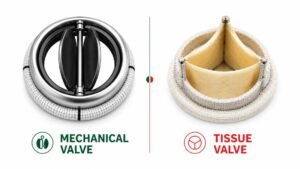
Mechanical vs Tissue Valve: Which Is Right for You?
Being told that you need a heart valve replacement often raises one question before any other: “Which…
Read Article →
Life After Heart Surgery: Recovery, Risks & What to Expect?
The surgery is done. The heart is beating. And now, sitting in a hospital ward…
Read Article →
CABG vs. Angioplasty: How Do You Know Which One You Actually Need?
If you or someone in your family has been told that the heart arteries are…
Read Article → WhatsApp